Georgetown University. US: In light of recent
recommendations for widespread hepatitis C screening, researchers are
calling for clinical trials to determine if that screening would result
in greater benefit or harm.
Showing posts with label gastroenterology. Show all posts
Showing posts with label gastroenterology. Show all posts
Thursday, January 15, 2015
Modified Pancreatic-Cancer Regimen Maintains Effectiveness While Reducing Side Effects and Cost
Ohio State University. US: A
simple change to a two-drug therapy for metastatic pancreatic cancer
provides similar cancer control while significantly improving quality of
life and reducing the cost of care, according to data collected by The
Ohio State University Comprehensive Cancer Center – Arthur G. James
Cancer Hospital and Richard J. Solove Research Institute (OSUCCC – James.)
Pancreatic cancer

NIH. US: Pancreatic cancer is a disease in which malignant (cancer) cells form in the tissues of the pancreas.The pancreas is a gland about 6 inches long that is shaped like a thin pear lying on its side. The wider end of the pancreas is called the head, the middle section is called the body, and the narrow end is called the tail. The pancreas lies between the stomach and the spine.
Possible treatments identified for highly contagious stomach virus
Washington University. US: Antibiotics aren’t supposed to be effective against viruses. But new
evidence in mice suggests antibiotics may help fight norovirus, a highly
contagious gastrointestinal virus, report scientists at Washington University School of Medicine in St. Louis.
Norovirus

Anyone can be infected with norovirus and get sick. Also, you can have norovirus illness many times in your life. Norovirus illness can be serious, especially for young children and older adults.
Iron overload disease causes rapid growth of potentially deadly bacteria
UCLA. US: Deficiency of the hormone hepcidin
makes people vulnerable to Vibrio vulnificus, but a medical form of the
hormone can cure the infection.
Tuesday, January 13, 2015
Study shows vaccination decreases rotavirus rates
Baylor College. US: A new study by Baylor College of Medicine and Texas Children’s
Hospital researchers shows that a vaccine for rotavirus in infants
reduces the rates of infection.
Sunday, January 11, 2015
New Technology Discovers Unknown Risk Genes for Pancreatic Cancer
German Cancer Research Center: Cancer
is a complex disease of the genes. The reasons why a tumor develops are
often unknown. An international team of researchers from the German
Cancer Consortium (DKTK) and the Welcome Trust Sanger Institute has now
developed a technique that can identify causes of cancer invisible to
genetic sequencing. The technique has uncovered large sets of previously
unknown pancreatic cancer genes. It is hoped that this study will boost
research into a disease that is still poorly understood and for which
five-year survival rates have stood at around 5 per cent for the past
four decades.
Friday, January 9, 2015
Researchers Find Cancer Biopsies Do Not Promote Cancer Spread
Mayo Clinic US: A study of more than 2,000 patients by researchers at Mayo Clinic’s campus in Jacksonville, Florida, has dispelled the myth that cancer biopsies cause cancer to spread. In the Jan. 9 online issue of Gut,
they show that patients who received a biopsy had a better outcome and
longer survival than patients who did not have a biopsy.The researchers studied pancreatic cancer,
but the findings likely apply to other cancers because diagnostic
technique used in this study — fine needle aspiration — is commonly used
across tumor types, says the study’s senior investigator and
gastroenterologist Michael Wallace, M.D., M.P.H., professor of medicine.
Genomic Predictors for Recurrence of Liver Cancer
Plos: In a new study, Ju-Seog Lee and colleagues
develop a genetic predictor that can identify patients at high risk for
late recurrence of liver cancer (hepatocellular carcinoma, HCC) and provided new
biomarkers for risk stratification.
Killing for DNA: a predatory device in the cholera bacterium
Ecole Polytechnique de Lausanne. Switzerland: Publishing in Science, EPFL scientists have
uncovered the unconventional way that the cholera bacterium stabs and
kills other bacteria to steal their DNA, making it potentially more
virulent.
Cholera

Most persons infected with V. cholerae do not become ill, although the bacterium is present in their faeces for 7-14 days. When illness does occur, about 80-90% of episodes are of mild or moderate severity and are difficult to distinguish clinically from other types of acute diarrhoea. Less than 20% of ill persons develop typical cholera with signs of moderate or severe dehydration.
Cholera remains a global threat and is one of the key indicators of social development. While the disease no longer poses a threat to countries with minimum standards of hygiene, it remains a challenge to countries where access to safe drinking water and adequate sanitation cannot be guaranteed. Almost every developing country faces cholera outbreaks or the threat of a cholera epidemic.
Wednesday, January 7, 2015
Researchers Map Direct Gut-Brain Connection
Duke University. US: After each one of those big meals you ate over the holidays, the cells lining your stomach and intestines released hormones into the bloodstream to signal the brain that you were full and should stop eating.
Researchers at Duke University have now mapped out another system, a
cell-to-cell connection between the gut and the nervous system, that may be
more direct than the release of hormones in the blood.
Tuesday, January 6, 2015
Liver cirrhosis more common than previously thought, study finds
Loyola Universitu US: Cirrhosis
of the liver is more common than previously thought, affecting more
than 633,000 adults yearly, according to a study published in the Journal of Clinical Gastroenterology.
And surprisingly, 69 percent of the adults identified as possibly having cirrhosis may not know they have this disease.
Unveiling how rotavirus causes infection
Griffith University. Australia: Researchers from Griffith University’s Institute for
Glycomics and the University of Melbourne have significantly advanced
understanding of a virus that kills up to half a million children each
year.
Rotaviruses are considered the most important cause of severe diarrhoea in children, with all being infected by the time they reach the age of five.
Rotaviruses are considered the most important cause of severe diarrhoea in children, with all being infected by the time they reach the age of five.
Monday, January 5, 2015
Mix of Bacteria in Gut May Depend More on Diet than Genes
UCSF. US: Microbiota, Microbiome Change Quickly, UCSF Researchers Find
Genes are important, but diet may be even more important in determining the relative abundance of the hundreds of health-shaping bacterial species comprising an individual’s gut microbiota, according to UC San Francisco scientists whose latest mouse experiments to probe this nature-versus-nurture balance were published online December 18, 2014 in Cell Host and Microbe.
Can Probiotics Keep Gastrointestinal System Healthy?
Tufts University. US: Many advertisements and Internet
postings say probiotics are effective for
treating asthma, dermatitis and irritable
bowel syndrome.
At best, there is marginal evidence that probiotics help these conditions.
Where they have been convincingly shown to be beneficial is in the treatment or prevention of certain kinds of diarrhea and other, less-common illnesses.
Rotavirus is the most common cause of diarrhea in infants and children. Probiotics will significantly lower the risk of getting the “gastrointestinal flu” because of this virus and other similar organisms. And if a child does get sick, the illness will be less severe if you administer probiotics.
At best, there is marginal evidence that probiotics help these conditions.
Where they have been convincingly shown to be beneficial is in the treatment or prevention of certain kinds of diarrhea and other, less-common illnesses.
Rotavirus is the most common cause of diarrhea in infants and children. Probiotics will significantly lower the risk of getting the “gastrointestinal flu” because of this virus and other similar organisms. And if a child does get sick, the illness will be less severe if you administer probiotics.
Rotavirus
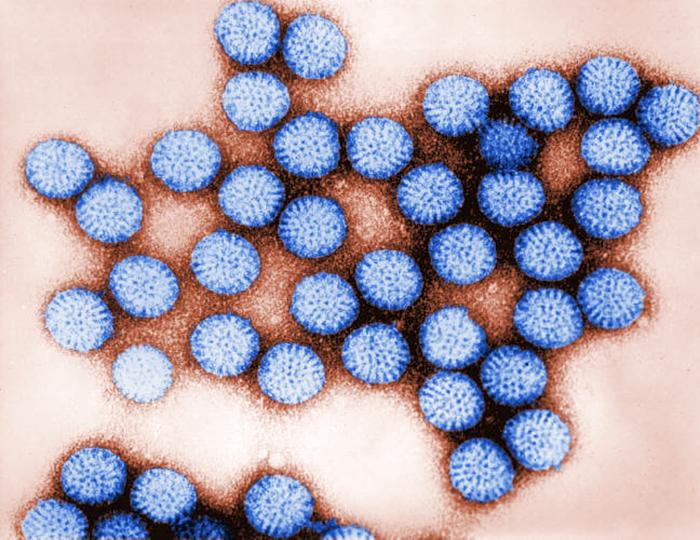
Children who get infected may have severe watery diarrhea, often with vomiting, fever, and abdominal pain. Vomiting and watery diarrhea can last from 3 to 8 days. Additional symptoms include loss of appetite and dehydration (loss of body fluids), which can be especially harmful for infants and young children.
Symptoms of dehydration include
Monday, December 29, 2014
FDA approves Viekira Pak to treat hepatitis C
FDA. US: The U.S. Food and Drug Administration today approved Viekira Pak
(ombitasvir, paritaprevir and ritonavir tablets co-packaged with
dasabuvir tablets) to treat patients with chronic hepatitis C virus
(HCV) genotype 1 infection, including those with a type of advanced
liver disease called cirrhosis.
Tuesday, October 7, 2014
Pancreas Cancer

Subscribe to:
Comments (Atom)