Showing posts with label dementia. Show all posts

Wednesday, May 9, 2018

Education can hold off dementia, new USC-led study finds

USC: Education gives people an edge in their later years, helping them to keep dementia at bay and their memories intact, a new USC-led study has found. “This association between the increase in college attainment and the decline in dementia prevalence is good news for people who have completed some higher education or earned a degree,” said Eileen M. Crimmins, the study’s lead author and a University Professor at the USC Leonard Davis School of Gerontology. “But what does it mean for people who are less educated?

Saturday, April 28, 2018

Certain drugs for muscle conditions may be linked to increased risk of dementia

BMJ: Use of certain anticholinergic drugs - that help to control involuntary muscle movements for conditions such as Parkinson’s disease - is associated with an increased risk of dementia, finds a UK study published by The BMJ today. The study is the largest of its kind to date and the findings prompt the researchers to say that clinicians should avoid long term prescribing of some anticholinergics to patients aged 45 and over.

Wednesday, March 14, 2018

How to Reduce Crashes by Drivers with Dementia

Pittsburgh: In-Person License Renewal, not Physician Reporting, Associated with Fewer Crash Hospitalizations Among Drivers with DementiaRequiring physicians to report patients with dementia to state driver’s licensing authorities is not associated with fewer hospitalizations from motor vehicle crashes. However, in-person license renewal laws and vision testing dramatically cut crashes involving drivers with dementia, according to a new study led by the University of Pittsburgh Graduate School of Public Health.The medical journal of the American Academy of Neurology, indicate that physician reporting laws – mandated or legally protected – either aren’t working or lack any observable safety benefits.

Sunday, March 12, 2017

Designer compound may untangle damage leading to some dementias

NIH: In a study of mice and monkeys, National Institutes of Health funded researchers showed that they could prevent and reverse some of the brain injury caused by the toxic form of a protein called tau. The results, published in Science Translational Medicine, suggest that the study of compounds, called tau antisense oligonucleotides, that are genetically engineered to block a cell’s assembly line production of tau, might be pursued as an effective treatment for a variety of disorders. Cells throughout the body normally manufacture tau proteins. In several disorders, toxic forms of tau clump together inside dying brain cells and form neurofibrillary tangles, including Alzheimer’s disease, tau-associated frontotemporal dementia, chronic traumatic encephalopathy and progressive supranuclear palsy. Currently there are no effective treatments for combating toxic tau.

Wednesday, March 8, 2017

Air pollution may lead to dementia in older women

USC: Tiny particles that pollute the air — the kind that come mainly from power plants and automobiles — may greatly increase the chance of dementia, including dementia caused by Alzheimer’s disease, according to USC-led research. Scientists and engineers found that older women who live in places with fine particulate matter exceeding the U.S. Environmental Protection Agency’s standard are 81 percent more at risk for global cognitive decline and 92 percent more likely to develop dementia, including Alzheimer’s.

Thursday, March 2, 2017

Autoimmune disease may be linked to heightened dementia risk

BMJ: Autoimmune disease may be linked to a heightened risk of dementia, indicates a large long term study, published in the Journal of Epidemiology & Community Health. Although significant, the extent of the association found was small, caution the researchers. But the findings are consistent with the theory that Alzheimer’s disease may have an autoimmune component, they point out. It has been suggested that autoimmune and inflammatory activity may have a role in the development of dementia. In a bid to try and quantify this further, the researchers drew on hospital admissions data, including day cases, from 1998 to 2012 for England.

Tuesday, February 28, 2017

Virtual-reality system for the elderly wins health care prize

MIT: Virtual reality is quickly gaining steam in the gaming industry. But an MIT startup is now aiming the technology at a different demographic, putting it to use as a health care tool for the elderly. At last night’s MIT Sloan Healthcare Innovations Prize pitch competition, Rendever earned the $25,000 grand prize for creating a virtual-reality platform that gives residents in assisted-living facilities the chance to explore the world virtually. The platform also provides cognitive therapy and tracks movement data to aid in early diagnosis of dementia.

Sunday, January 22, 2017

Tablet devices can enhance therapies for agitation among patients with dementia

Harvard: A pilot study led by Ipsit Vahia, a member of the HMS faculty of psychiatry and medical director of Geriatric Psychiatry Outpatient Services at McLean Hospital, suggests that the use of tablet computers is both a safe and potentially effective approach to managing agitation among patients with dementia. The findings were published in the online version of The American Journal of Geriatric Psychiatry. “Tablet use as a nonpharmacologic intervention for agitation in older adults, including those with severe dementia, appears to be feasible, safe and of potential utility,” said Vahia. “Our preliminary results are a first step in developing much-needed empirical data for clinicians and caregivers on how to use technology such as tablets as tools to enhance care and also for app developers working to serve the technologic needs of this population.”

Wednesday, January 18, 2017

Can we delay or prevent dementia?
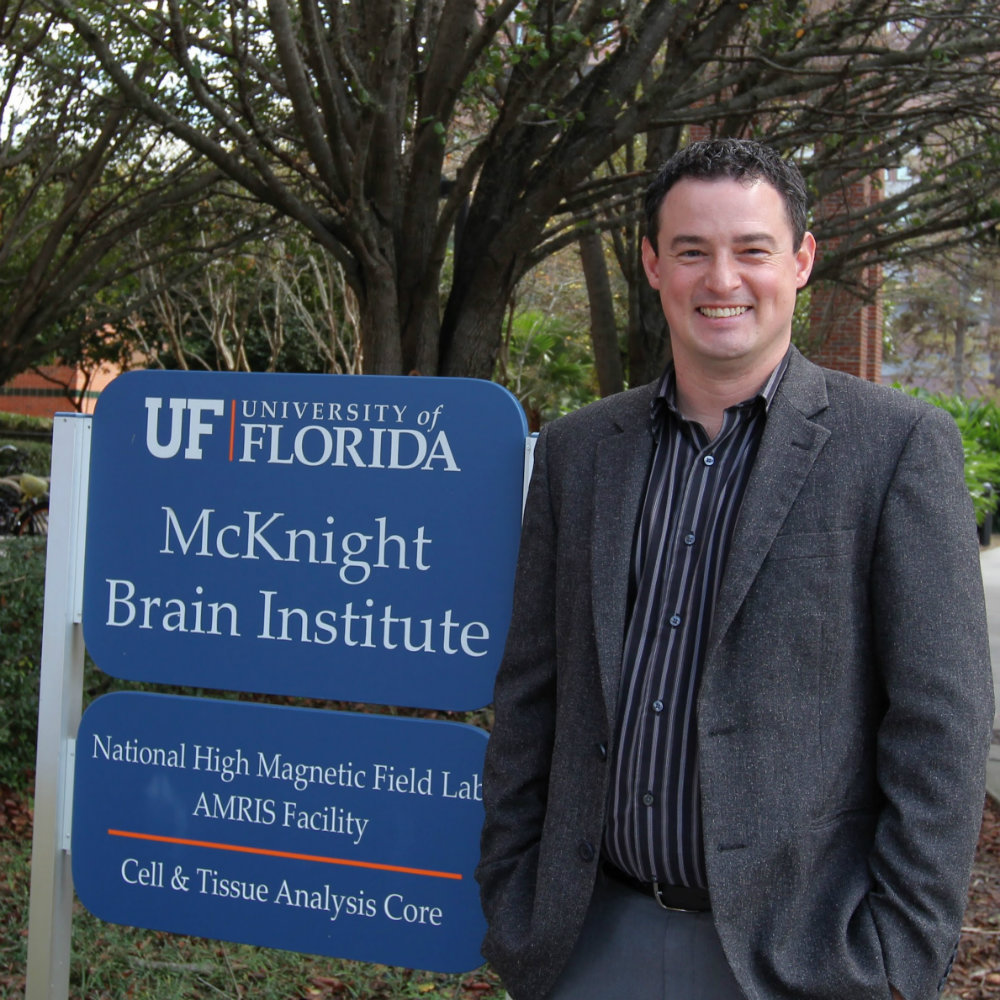
University of Florida: Walking across the University of Florida’s Health Science Center campus, Adam Woods cites a sobering statistic. “By 2050, the U.S. population over the age of 65 will double,” he says. “We’re simply not set up as a society to house and treat an exponential growth of dementia patients.  Economically, our healthcare system is unable to absorb that impact.” Woods is an assistant professor of clinical and health psychology in the College of Public Health and Health Professions as well as the assistant director of UF’s Center for Cognitive Aging and Memory. He is looking at ways to delay the onset of dementia, or just preventing people from getting it all together.  Besides the obviously devastating diagnosis for a patient and their loved ones, there are the cold hard facts of caring for someone with dementia: the astronomical financial costs involved.

Tuesday, January 17, 2017

Dementia is developing in a smaller proportion of older Americans over time

Ann Arbor: In a hopeful sign for the health of the nation’s brains, the percentage of American seniors with dementia is dropping, a new study finds: “A Comparison of the Prevalence of Dementia in the United States in 2000 and 2012” in JAMA Internal Medicine. The downward trend has emerged despite something else the study shows: a rising tide of three factors that are thought to raise dementia risk by interfering with brain blood flow, namely diabetes, high blood pressure and obesity. Those with the most years of education had the lowest chances of developing dementia, according to the findings. This may help explain the larger trend, because today’s seniors are more likely to have at least a high school diploma than those in the same age range a decade ago.

Friday, November 18, 2016

Medicines for sleep problems in dementia

Cochrane: People with dementia frequently suffer from sleep disturbances. These can include a reduction in the time spent asleep at night, frequent wakening after falling asleep, wandering at night, waking early, and sleeping excessively during the day. These behaviours cause a lot of stress to carers, and may be associated with earlier admission to institutional care for people with dementia. These behaviours can also be difficult for care-home staff to manage well.

Wednesday, November 16, 2016

Heart disease, high blood pressure and diabetes may combine to worsen thinking skills
BrainmemoryGlasgow: Research from the University of Glasgow shows that people who have a cardiometabolic disease, such as high blood pressure, diabetes or coronary heart disease (CHD), perform worse on mental tests of reasoning, memory and reaction time, and having more than one of these conditions has an even greater effect.The study, published today in the European Heart Journal, and led by researchers from the University’s Institute of Health and Wellbeing, suggests that preventing or delaying cardiovascular disease or diabetes may delay cognitive decline and possible dementia.

VIDEO: Understanding Alzheimer's; the search for a treatment

South Australian Health and Medical Research Institute (SAHMRI)
Alzheimer’s disease affects the brain and is the most common and important cause of dementia. Dementia can include memory loss, and a decline in cognitive ability.

Monday, November 14, 2016

Dementia diagnosis delayed by complex referral criteria

Imperial College: This is the finding of scientists from Imperial College London, published in the Journal of the Royal Society of Medicine. Around 850,000 people are living with dementia in the UK, but the number thought to have the conditon far exceeds those with a formal diagnosis. Early diagnosis is a priority for the government and the NHS. Currently GPs are responsible for referring patients for assessment and diagnosis by specialists, usually in dedicated memory clinics.

Sunday, November 13, 2016

Brain training can help fight dementia

Scimex: Researchers at the University of Sydney have found that engaging in computer-based brain training can improve memory and mood in older adults with mild cognitive impairment – but training is no longer effective once a dementia diagnosis has been made. The team, comprising researchers from the Brain and Mind Centre , reviewed more than 20 years of research and showed that brain training could lead to improvements in global cognition, memory, learning and attention, as well as psychosocial functioning (mood and self-perceived quality of life) in people with mild cognitive impairment. Conversely, when data from 12 studies of brain training in people with dementia was combined, results were not positive.

Tuesday, November 8, 2016

VIDEO: Dementia: Catching the memory thief

Cambridge: It's over a hundred years since the first case of Alzheimer’s disease was diagnosed. Since then we’ve learned a great deal about the protein ‘tangles’ and ‘plaques’ that cause the disease. How close are we to having effective treatments – and could we even prevent dementia from occurring in the first place? Researchers at the University of Cambridge describe some of the progress now being made against this devastating disease.

Sunday, October 30, 2016

National study tests theory that exercise, lowering cholesterol can help prevent Alzheimer’s

UTSW: Carol White can’t help but worry when she misplaces keys or can’t recall a name ever since relatives have been diagnosed with early onset Alzheimer’s.
“I live with the possibility Alzheimer’s might also touch my life,” she said. “You just take a deep breath and wonder.”But the 69-year-old doesn’t plan to sit around waiting to find out. She’s joined a study at the UT Southwestern Peter O’Donnell Jr. Brain Institute to determine whether regular aerobic exercise and taking specific medications to reduce high blood pressure and cholesterol levels can help preserve brain function.“There is plenty of evidence to suggest that what is bad for your cardiovascular system is bad for your brain, but the body is one machine and you cannot separate the heart from the brain,” said Dr. Rong Zhang, Associate Professor of Neurology and Neurotherapeutics at UT Southwestern Medical Center.

Common prostate cancer treatment linked to later dementia, researcher says

Stanford: A new retrospective study of patient medical records suggests that men with prostate cancer who are treated with testosterone-lowering drugs are twice as likely to develop dementia within five years as prostate cancer patients whose testosterone levels are not tampered with. The study, by researchers at the Stanford University School of Medicine and the University of Pennsylvania Perelman School of Medicine, also demonstrates emerging techniques for extracting biomedical data from ordinary patient medical records.

Friday, October 21, 2016

Orthostatic Hypotension and the Long-Term Risk of Dementia: A Population-Based Study

PLOS : Orthostatic hypotension (OH) is a common cause of transient cerebral hypoperfusion in the population. Cerebral hypoperfusion is widely implicated in cognitive impairment, but whether OH contributes to cognitive decline and dementia is uncertain. We aimed to determine the association between OH and the risk of developing dementia in the general population.

Thursday, June 11, 2015

Single protein causes Parkinson's disease and Multiple System Atrophy

Anvers: In a collaboration with CNRS and the University of Antwerp, KU Leuven neurobiologists have discovered that the shape of aggregates – 'cylinders' or 'ribbons' – determines whether a patient develops Parkinson's disease or Multiple System Atrophy, respectively. Several neurodegenerative disorders are caused by aggregates of a single protein known as alpha-synuclein. Typical of neurodegenerative disorders is the disrupted communication between brain cells together with a loss of cells in specific brain regions. For some brain diseases this phenomenon is linked to a protein known as alpha-synuclein. The exact function of this protein remains unclear, but it may play a role in the communication between brain cells. However, in the case of specific diseases, including Parkinson’s disease, Multiple System Atrophy (MSA), and dementia with Lewy bodies (DLB), this protein forms aggregates that cause neurodegeneration.