Showing posts with label sleep disorders. Show all posts

Friday, June 26, 2015

Does baby snore like dad?

Sydney: Babies who snore are widely under diagnosed according to Australian researchers investigating less costly and more effective methods of identifying sleep apnea hypopnea syndrome (SAHS) in infants. A joint study conducted by electrical engineering researchers working at both Western Sydney and Sydney universities looked at the combined use and applicability of two minimally invasive sensors, electrocardiogram (ECG) and pulse oximetry as an early detection method of SAHS -a respiratory condition experts estimate can affect up to 4 percent of infants.

Wednesday, June 24, 2015

New Sleep Genes Found

Philadelphia: Researchers discover that a protein called Taranis could hold the key to a good night’s sleep. Most of us need seven to eight hours of sleep a night to function well, but some people seem to need a lot less sleep. The difference is largely due to genetic variability. In research published online June 18th in Current Biology, researchers report that two genes, originally known for their regulation of cell division, are required for normal slumber in fly models of sleep: taranis and Cyclin-dependent kinase 1 (Cdk1).

Electricity’s human cost: Less sleep

Yale: Easy access to electricity and artificial light triggers a measurable reduction in human sleep, according to a new study of hunter-gatherer communities in Argentina. Researchers studied two groups of Toba/Qom hunter-gatherers indigenous to the Chaco region of northeastern Argentina. The communities share the same ethnic and socioeconomic background, but have a key difference: One community has free access to electricity and the other relies exclusively on natural light.

Monday, June 22, 2015

Good self-soothing may predict good sleeping

Developmental Behavioural Pediatrics: Infants are capable of resettling themselves back to sleep in the first 3 months of age. Most infants become settled at night by 3 months of age, whereas infants not settled by 5 months are likely to have long-term sleep-waking problems. We assessed whether normal infant development in the first 3 months involves increasing sleep-period length or the ability to resettle autonomously after waking in the night.

Monday, June 8, 2015

Sleep and intelligence in children
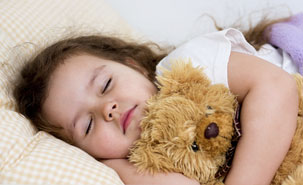
Montreal: One night of poor sleep significantly decreases performance on intelligence tests in children with autism spectrum disorder (ASD) and also in neurotypical children (without ASD). This is the conclusion made by researchers at the Hôpital Rivière-des-Prairies, affiliated with the Institut universitaire en santé mentale de Montréal and Université de Montréal. For a paper published in the International Journal of Psychophysiology, the researchers observed the EEG measures of 13 autistic children and 13 neurotypical children (children with a mean age of 10 years old without an intellectual deficiency or sleep problem and who were not on medication) and found that disruptions in protective brain waves during sleep are associated with lower results on verbal IQ tests.

Thursday, June 4, 2015

Yoga, Running, Weight Lifting, and Gardening: Physical Activity Associated with Better Sleep Habits

Pennsylvania: Physical activities, such as walking, as well as aerobics/calisthenics, biking, gardening, golfing, running, weight-lifting, and yoga/Pilates are associated with better sleep habits, compared to no activity, according to a new study from researchers at the Perelman School of Medicine at the University of Pennsylvania. In contrast, the study shows that other types of physical activity – such as household and childcare -- work are associated with increased cases of poor sleep habits.

Eating Less During Late Night Hours May Stave off Some Effects of Sleep Deprivation

Pennsylvania: Eating less late at night may help curb the concentration and alertness deficits that accompany sleep deprivation, according to results of a new study from researchers at the Perelman School of Medicine at the University of Pennsylvania. “Adults consume approximately 500 additional calories during late-night hours when they are sleep restricted,” said the study’s senior author David F. Dinges, PhD, director of the Unit for Experimental Psychiatry and chief of the division of Sleep and Chronobiology. “Our research found that refraining from late-night calories helps prevent some of the decline those individuals may otherwise experience in neurobehavioral performance during sleep restriction.”

Poor sleep quality linked to Alzheimer's disease

NHS: "Sleepless nights … could raise your odds of developing Alzheimer's," is the claim in the Daily Mail. A new US study did find a link between poor sleep quality and higher levels of clumps of abnormal proteins in the brain (known as beta-amyloid plaques), but no cause and effect relationship between sleep quality and Alzheimer’s disease was proven.

Can a single-shot therapy session cure insomnia?

NHS: "Insomnia could be cured with one simple therapy session, new study claims," The Independent reports. UK researchers have been looking at whether cognitive behavioural therapy (CBT) delivered in a single one-hour session can combat acute insomnia. CBT is a type of talking therapy that uses a problem-solving approach to tackle unhelpful patterns of thinking and behaviour. For example, many people with insomnia develop feelings of anxiety and stress related to not being able to sleep, which can make the problem worse – a vicious circle.

Monday, June 1, 2015

Sleep and intelligence in children

Montreal: One night of poor sleep significantly decreases performance on intelligence tests in children with autism spectrum disorder (ASD) and also in neurotypical children (without ASD). This is the conclusion made by researchers at the Hôpital Rivière-des-Prairie. For a paper published in the International Journal of Psychophysiology, the researchers observed the EEG measures of 13 autistic children and 13 neurotypical children (children with a mean age of 10 years old without an intellectual deficiency or sleep problem and who were not on medication) and found that disruptions in protective brain waves during sleep are associated with lower results on verbal IQ tests.

Friday, May 22, 2015

A dark night is good for your health

TheConversation: Today most people do not get enough sleep. The Centers for Disease Control and Prevention (CDC) has called insufficient sleep an epidemic. While we are finally paying attention to the importance of sleep, the need for dark is still mostly ignored.
That’s right. Dark. Your body needs it too. Being exposed to regular patterns of light and dark regulates our circadian rhythm. Disruption of this rhythm may increase the risk of developing some health conditions including obesity, diabetes and breast cancer.

Tuesday, May 12, 2015

Night light may be linked to weight gain

Scimex: A Dutch study of mice found exposure to artificial light after dark may be linked to weight gain because the body reacts by burning less energy to keep warm, rather than eating more or curbing activity levels. Brown fat - the 'healthy' fat our bodies burn to stay warm - is inactivated by artificial light during the night, they say, so finding ways to reactivate it may help prevent weight gain associated with unnatural light regimes.

Tuesday, May 5, 2015

Older adults: Caution advised with sleeping pill use

Mayo Clinic: Older adults with sleeping concerns should be very cautious about sleeping pills, according to the April issue of Mayo Clinic Health Letter. While sleeping pills can at times be an effective part of therapy to improve sleep, older adults are more susceptible to side effects such as dizziness, lightheadedness and a risk of dependence. Sleeping pills also suppress breathing, which can worsen breathing problems such as sleep apnea. Other side effects can include problems with thinking and body movement, drowsiness after waking up, or having daytime memory and physical performance problems. Sleeping pills use may increase the risk of falling, particularly at night.

Monday, May 4, 2015

Kids Likely to Sleepwalk if Parents Have History of Nocturnal Strolls

JAMA: More than 60 percent of children developed sleepwalking when both their parents were sleepwalkers in a study among children born in the Canadian province of Quebec, according to an article published online by JAMA Pediatrics. Sleepwalking is a common childhood sleep disorder that usually disappears during adolescence, although it can persist or appear in adulthood. Sleep terrors are another early childhood sleep disorder often characterized by a scream, intense fear and a prolonged period of inconsolability. The two disorders (also known as parasomnias) share many of the same characteristics and arise mainly from slow-wave sleep, according to background information in the study.

Can orange-tinted glasses before bed help you sleep?

TheConversation: I recently wrote about the terrible sleep habits of the characters in House of Cards. I disapproved of Frank Underwood’s late-night computer work in the Oval Office, his new midnight iPad gaming habit and Claire taking her laptop to bed with her. But I must confess my hypocrisy. Despite my preaching – and despite being a sleep researcher myself – the last thing I do before I flip off the lights and snuggle into my bedsheets is play games on my iPhone. I know, I’m bad – but I also know I’m not the only guilty person here. Although evidence suggests that the blue light emanating from phones, tablets, laptops, televisions and e-readers can affect the quality of our sleep – in turn affecting our health and well-being – many of us can’t help logging in and tapping away when we should be winding down. A Time/Qualcomm poll of 5,000 people worldwide suggests that nearly a quarter of those between the ages of 18 and 24 generally don’t sleep as well because of technology. Even worse, 40-75% of folks across all age groups report keeping their phones within reach while they sleep at night.

Thursday, April 30, 2015

A dark night is good for your health

TheConversation: Today most people do not get enough sleep. The Centers for Disease Control and Prevention (CDC) has called insufficient sleep an epidemic. While we are finally paying attention to the importance of sleep, the need for dark is still mostly ignored.
That’s right. Dark. Your body needs it too.
Being exposed to regular patterns of light and dark regulates our circadian rhythm. Disruption of this rhythm may increase the risk of developing some health conditions including obesity, diabetes and breast cancer

Wednesday, April 29, 2015

"Normal" sleep is still a problem for children with sleep disorder

University of Adelaide researchers have discovered key signs that children experiencing sleep difficulties continue to suffer health problems even during periods of so-called "normal" sleep. The same research has helped to show that surgical removal of adenoids and tonsils is effective at reversing these problems among children, and may lead to improvements in brain development and behaviour. Researchers in the University's School of Electrical and Electronic Engineering have analysed data collected in sleep studies from children who have been diagnosed with "sleep-disordered breathing", or sleep apnoea. This condition is linked with poor development of the brain, cognitive and behavioural issues among children.

Monday, April 27, 2015

Light therapy hope for sleep troubled teens

Flinders University sleep researchers are taking research conducted in Adelaide schools to the next level by intensively studying individual sleep troubled teens in a new study. The new research, which follows studies published in SLEEP in 2011 and Sleep Health in 2015, aims to find out if light centred treatment can make the difference between long, restless nights and a good night’s sleep. Professor Gradisar, who is leading the study, said the project was unique not only because it focusses primarily on light therapy, but because it would involve working closely one-on-one with teens with delayed sleep patterns and their parents.

Flies show the true value of sleep


Queensland: An international study on sleep and learning in flies has shown a good night’s sleep might be vital for retaining our capacity to learn and remember, with implications for the treatment of human disorders such as Alzheimer’s disease.

Tuesday, April 7, 2015

What you need to know about sleep apnea

Sydney: Sleep apnea (or apnoea) is a condition where people repeatedly stop breathing while asleep. People with sleep apnoea often complain of daytime sleepiness, difficulties concentrating, and they tend to have high blood pressure. The people around them usually complain about their nightly snoring, gasping, and choking noises. About 5% of people have treatable moderate or severe sleep apnoea, which means they stop breathing 15 times or more times per hour while asleep. A larger number of people - as many as 20% of middle-aged folk - have mild sleep apnoea, which means they stop breathing around five to 15 times an hour.