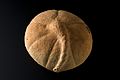
Las vegas: First clinical study of its kind finds no benefit for women who eat their placenta as a source of needed iron after giving birth. Hey new moms, don’t put down that can of spinach just yet. A research team led by UNLV medical anthropologists found that eating
encapsulated human placenta, a practice known as placentophagy, may not
be as good a source of dietary iron for postpartum mothers as
proponents suggest.
The breakthrough placebo-controlled pilot study,
the first of its kind on the increasingly popular practice, was
published online Nov. 3 in The Journal of Midwifery & Women’s
Health.
Only good, independent and reliable information about health from experts.
Showing posts with label placenta. Show all posts
Friday, November 4, 2016
Wednesday, June 24, 2015
Researchers design placenta-on-a-chip to better understand pregnancy
National Institutes of Health (NIH) researchers and their colleagues have developed a “placenta-on-a-chip” to study the inner workings of the human placenta and its role in pregnancy. The device was designed to imitate, on a micro-level, the structure and function of the placenta and model the transfer of nutrients from mother to fetus. This prototype is one of the latest in a series of organ-on-a-chip technologies developed to accelerate biomedical advances.
Thursday, June 11, 2015
Eating The Placenta: Trendy But No Proven Health Benefits And Unknown Risks
Chicago: Celebrities
such as Kourtney Kardashian blogged and raved about the benefits of
their personal placenta “vitamins” and spiked women’s interest in the
practice of consuming their placentas after childbirth.
But a new Northwestern Medicine review of 10 current published research studies on placentophagy did not turn up any human or animal data to support the common claims that eating the placenta -- either raw, cooked or encapsulated -- offers protection against postpartum depression, reduces post-delivery pain, boosts energy, helps with lactation, promotes skin elasticity, enhances maternal bonding or replenishes iron in the body.
Subscribe to:
Comments (Atom)