
Showing posts with label chemotherapy. Show all posts
Showing posts with label chemotherapy. Show all posts
Thursday, May 10, 2018
Researchers Use a Molecular Trojan Horse to Deliver Chemotherapeutic Drug to Cancer Cells
Monday, May 7, 2018
Gene Mapping Lays Groundwork for Precision Chemotherapy
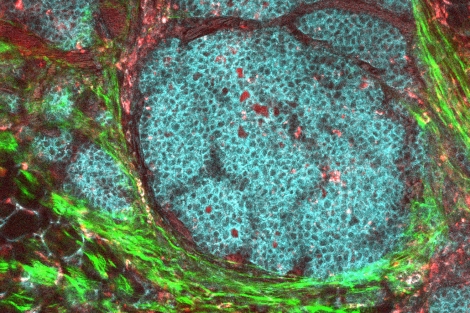
New test could tell doctors whether patients will respond to chemotherapy
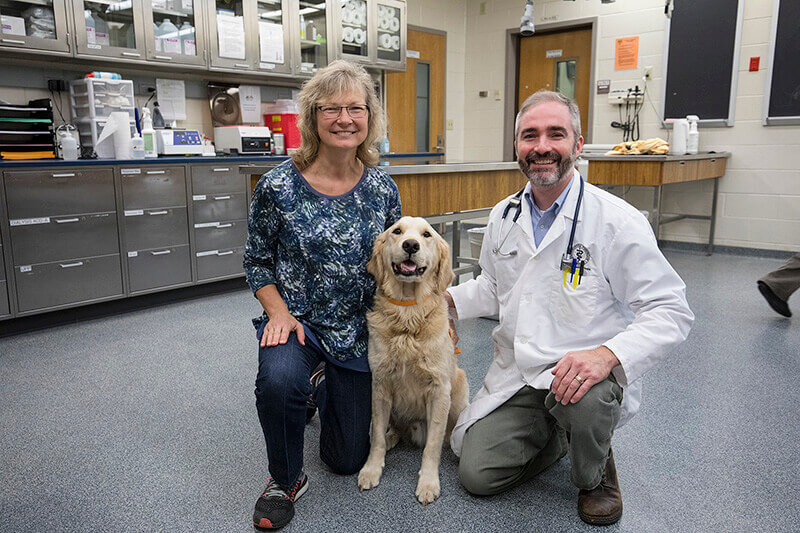
Purdue: Less than half the patients diagnosed with cancer
respond favorably to chemotherapy, but a new method for testing how
patients will respond to various drugs could pave the way for more
personalized treatment. Using Doppler light scattering, like a weather
radar, researchers can determine how a patient will respond to
chemotherapy even before they begin treatment. “Doppler weather radar sends electromagnetic
waves into clouds, and while you don’t see individual rain droplets, you
pick up the overall motion of the raindrops. What you create with this
is a 3-D map of cloud motion,” said David Nolte, the Edward M. Purcell
Distinguished Professor of Physics and Astronomy at Purdue University.
“We’re looking at the motion inside living tissue rather than rain
droplets, and we’re using infrared light instead of radar. It’s like
watching the weather inside living tissue as the tissue is affected by
cancer drugs.”
Tuesday, February 28, 2017
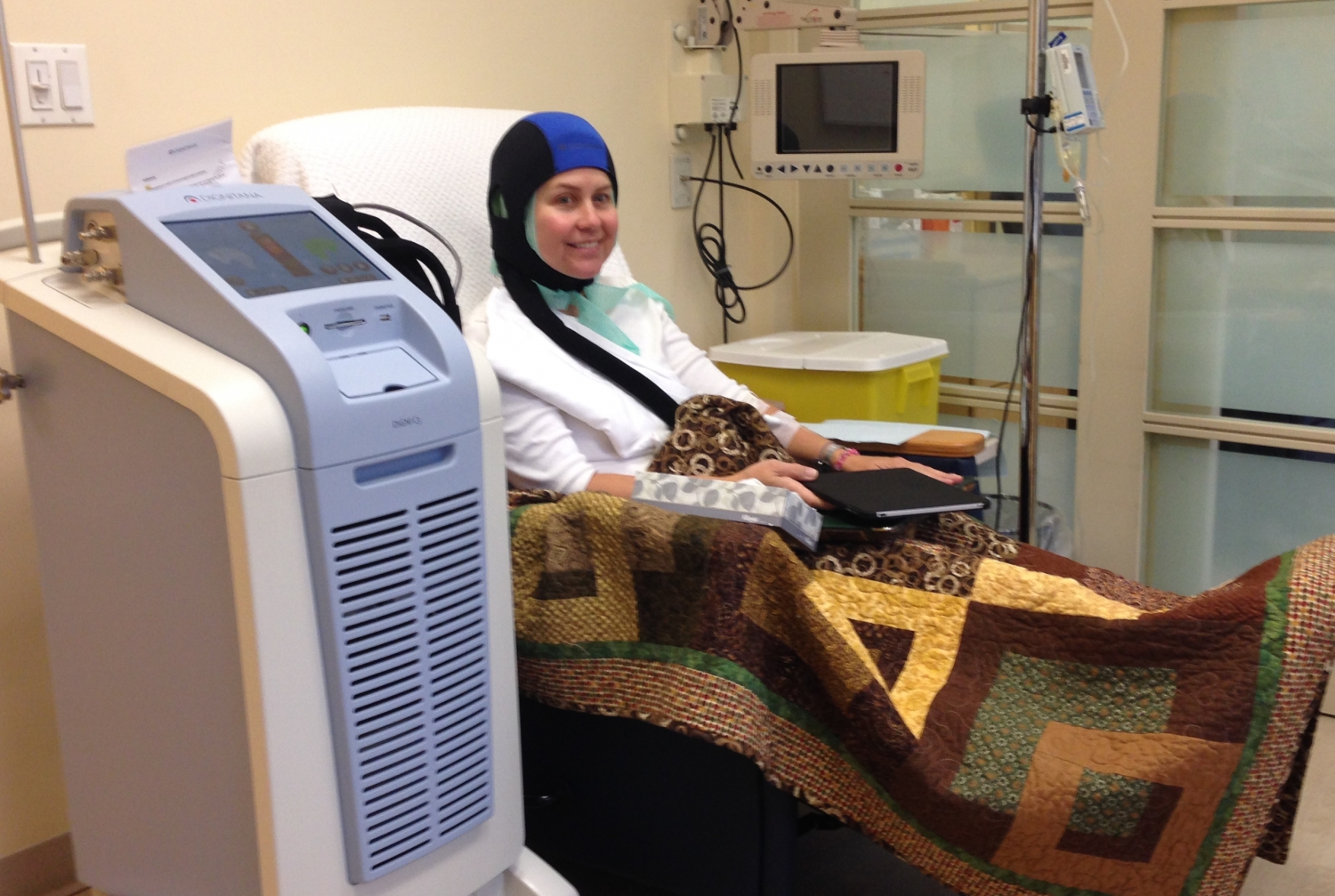
Scalp Cooling Can Help Some Breast Cancer Patients Retain Hair
Thursday, February 16, 2017
Scientists create scorecard index for heart-damaging chemo drugs

Saturday, November 12, 2016
Harmful effects of a commonly used cancer drug can be alleviated by using gene therapy

Wednesday, November 9, 2016
New discovery in understanding chemotherapy resistance could prevent cancer cells fighting back
 Sheffield: Scientists have made an important breakthrough in understanding why some cancer cells become resistant to chemotherapy. Researchers from the University of Sheffield have identified a
specific modification to proteins that wrap around the DNA of cancer
cells, protecting them from chemotherapy treatment. Most types of chemotherapy and radiotherapy kill cancer cells by
causing many breaks in the DNA – the blueprint that carries the
information needed to make proteins, and for cells to survive.
Sheffield: Scientists have made an important breakthrough in understanding why some cancer cells become resistant to chemotherapy. Researchers from the University of Sheffield have identified a
specific modification to proteins that wrap around the DNA of cancer
cells, protecting them from chemotherapy treatment. Most types of chemotherapy and radiotherapy kill cancer cells by
causing many breaks in the DNA – the blueprint that carries the
information needed to make proteins, and for cells to survive.Sunday, November 6, 2016
The gut microbiota to the rescue of chemotherapies
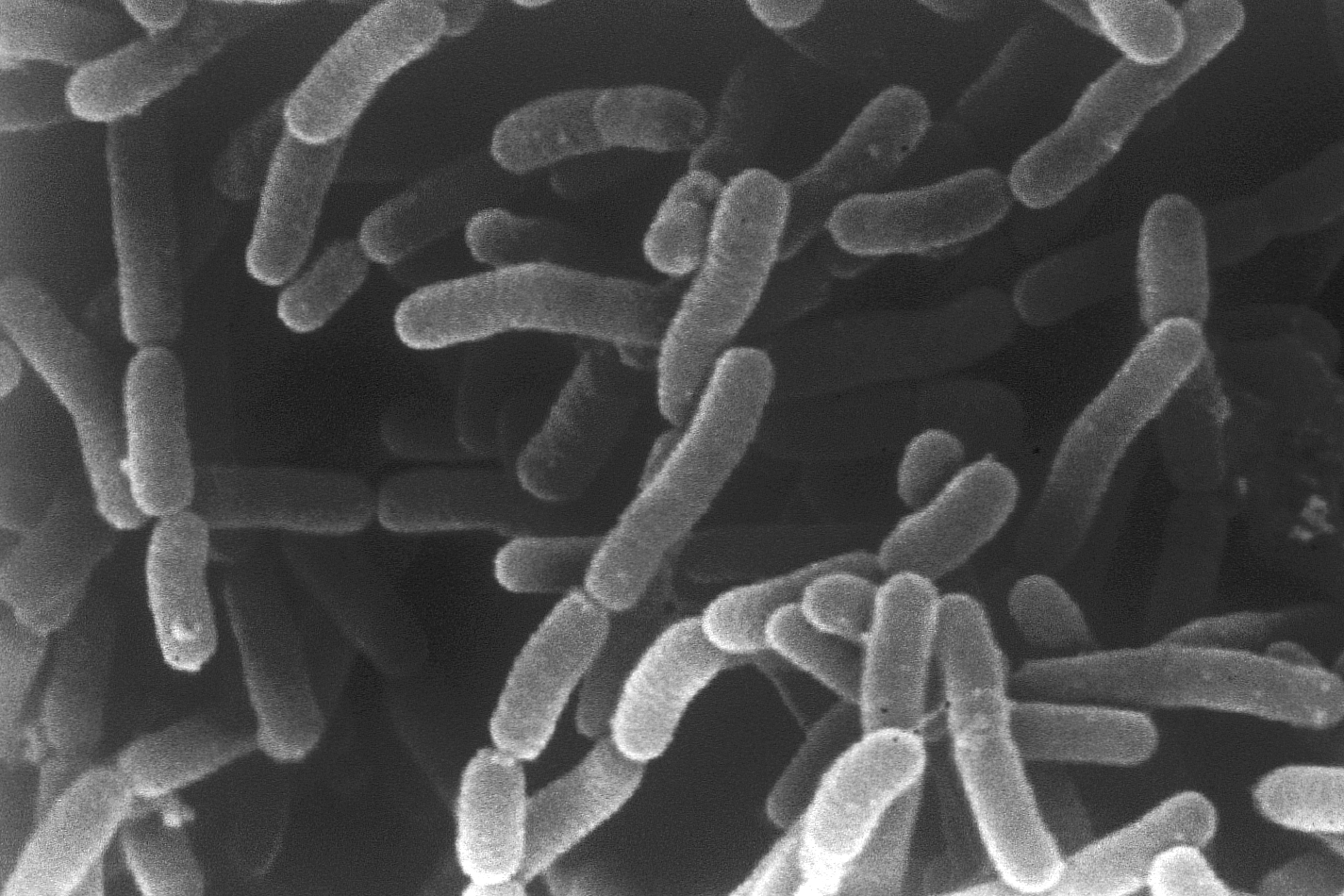
INSERM: Two species of bacteria present in the gut boost the efficacy of cyclophosphamide-based chemotherapies by optimising the antitumour immunity induced by this drug. This is reported by researchers from Inserm, Gustave Roussy, CNRS, Institut Pasteur Lille, and the Universities of Paris Sud and of Lille in an article published on 4 October in the journal Immunity.Recent studies have shown that certain gut microbes encourage tumours to grow, whereas others contribute to making cancer treatments more effective. It remained necessary to identify the nature and mode of action of the bacterial species capable of optimising the antitumour response induced by chemotherapy.
Sunday, May 24, 2015
Ginger for chemotherapy-induced nausea: Does it work?

Wednesday, April 29, 2015
How to identify drugs that work best for each patient

Friday, April 3, 2015
Fish oil could counteract chemo

Thursday, April 2, 2015
Potential resistance to Chemotherapy after Consuming Fatty Acid in Fish, Fish Oil

Thursday, March 26, 2015
Wednesday, March 25, 2015
Blood test could help bowel cancer patients avoid drug side-effects
 Manchester: Colorectal, or bowel, cancer is the second biggest cancer killer in
Europe. It is most commonly treated with a combination of chemotherapy
agents, and outcome can be improved by using additional drugs. However,
this multi-drug approach can increase side-effects such as hair loss,
low white blood cell count, diarrhoea and damage to the peripheral
nervous system. The team from Manchester counted tumour cells in a patient’s blood sample as a way of predicting who might benefit most.
Manchester: Colorectal, or bowel, cancer is the second biggest cancer killer in
Europe. It is most commonly treated with a combination of chemotherapy
agents, and outcome can be improved by using additional drugs. However,
this multi-drug approach can increase side-effects such as hair loss,
low white blood cell count, diarrhoea and damage to the peripheral
nervous system. The team from Manchester counted tumour cells in a patient’s blood sample as a way of predicting who might benefit most.Wednesday, March 4, 2015
New nanodevice defeats drug resistance
MIT: Tiny particles embedded in gel can turn off drug-resistance genes, then release cancer drugs. Chemotherapy
often shrinks tumors at first, but as cancer cells become resistant to
drug treatment, tumors can grow back. A new nanodevice developed by MIT
researchers can help overcome that by first blocking the gene that
confers drug resistance, then launching a new chemotherapy attack
against the disarmed tumors.
Thursday, January 22, 2015
Step closer to predicting cancer patients' drug toxicity
Adelaide University. Australia: Being able to predict that a patient will adversely react to a drug that's meant to be treating them is a key aim of personalised medicine, and could help to improve the patient's overall treatment. Researchers at the University of Adelaide are now one step closer to accurately predicting which cancer patients will experience severe toxicity from chemotherapy.
Tuesday, October 7, 2014
Gemzar

Gemcitabine is a member of a group of chemotherapy drugs known as anti-metabolites. It prevents cells from making DNA, which stops cell growth and causes the cells to die.
Monday, October 6, 2014
Abseamed
- Abseamed is a solution for injection. It is available in pre-filled syringes that contain between 1,000 and 40,000 international units (IU) of the active substance, epoetin alfa.
Abseamed is a ‘biosimilar medicine'. This means that Abseamed is similar to and contains the same active substance as a biological medicine that is already authorised in the European Union (EU), which is known as the ‘reference medicine’. The reference medicine for Abseamed is Eprex/Erypo.
Abseamed is used to treat anemia.
Subscribe to:
Comments (Atom)