Showing posts with label diet. Show all posts

Sunday, June 24, 2018

Dieting associated with risky behaviours in teenage girls

Waterloo: Teenage girls who diet are more likely to engage in other health-compromising behaviours, including smoking, binge drinking, and skipping breakfast, a University of Waterloo study recently found. The study found that, compared to girls who were not dieting at the time of initial data collection, those who were dieting were more likely to engage in one or more clusters of other risky behaviours three years later.

Wednesday, April 18, 2018

Weight Loss Through Exercise Alone Does Not Protect Knees

    Alexandra Gersing, M.D.
    RNSA: Researchers investigated the association between different regimens of weight loss and the progression of knee cartilage degeneration in 760 overweight and obese patients. Individuals who lost weight through diet alone or diet and exercise slowed the progression of cartilage degeneration in the knee. Individuals who lost the same amount of weight through exercise alone did not slow the progression of cartilage degeneration.Obese people who lose a substantial amount of weight can significantly slow down the degeneration of their knee cartilage, but only if they lose weight through diet and exercise or diet alone, according to a new MRI study presented today at the annual meeting of the Radiological Society of North America (RSNA).

Friday, April 21, 2017

Amino acids in diet could be key to starving cancer

Glasgow: Cutting out certain amino acids – the building blocks of proteins – from the diet of mice slows tumour growth and prolongs survival, according to new research* published in Nature. Researchers at the Cancer Research UK Beatson Institute and the University of Glasgow found that removing two non-essential amino acids – serine and glycine – from the diet of mice slowed the development of lymphoma and intestinal cancer. The researchers also found that the special diet made some cancer cells more susceptible to chemicals in cells called reactive oxygen species.

Wednesday, March 8, 2017

Scientifically designed fasting diet lowers risks for major diseases

USC: What if you could lose weight and reduce your risk of life-threatening disease without any changes in what you eat — other than a five-day special diet once every few months? That’s what happened for 71 adults placed on three cycles of a low-calorie, “fasting-mimicking” diet. The phase II trial, conducted by researchers at the USC Leonard Davis School of Gerontology, demonstrated a host of benefits from the regimen. The diet reduced cardiovascular risk factors, including blood pressure and signs of inflammation (measured by C-reactive protein levels), as well as fasting glucose and reduced levels of IGF-1, a hormone that affects metabolism. It also shrank waistlines and resulted in weight loss, both in total body fat and trunk fat, but not in muscle mass.

Fasting-mimicking diet may reverse diabetes

USC: A diet designed to imitate the effects of fasting appears to reverse diabetes, a new USC-led study shows. The fasting-like diet promotes the growth of new insulin-producing pancreatic cells that reduce symptoms of Type 1 and Type 2 diabetes in mice, according to the study on mice and human cells led by Valter Longo, director of the Longevity Institute at the USC Leonard Davis School of Gerontology.

Tuesday, March 7, 2017

DASH ranked Best Diet Overall for seventh year in a row

NIH: For the seventh year in a row, U.S. News and World Report ranked the NIH-developed DASH Diet “best overall” diet. With its focus on vegetables, fruits, whole grains, low-fat dairy, and lean proteins, the diet also ranked as the best for diabetes and healthy eating, and tied as the best for heart disease prevention.

Thursday, March 2, 2017

Fruit and veg-rich diet linked to much lower risk of chronic lung disease

BMJ: A diet rich in fruit and vegetables is linked to a significantly lower risk of developing chronic lung disease (COPD) in former and current smokers, finds research published online in the journal Thorax. Each additional daily serving was associated with a 4-8% lower risk, the findings show. COPD, short for chronic obstructive pulmonary disease, is an umbrella term for respiratory conditions that narrow the airways, which include bronchitis and emphysema.

Friday, February 24, 2017

Father’s diet impacts on son’s ability to reproduce: study finds

Melbourne: New research involving Monash University biologists has debunked the view that males just pass on genetic material and not much else to their offspring. Instead, it found a father’s diet can affect their son’s ability to out-compete a rival's sperm after mating. The study sought to understand if the nutritional history of fathers had an effect on their sons. Experiments were carried out in the fruit fly, which shares many similar pathways and characteristics with human genes. One of the lead authors of the study, Dr Susanne Zajitschek from the School of Biological Sciences, said the study highlighted the importance of the paternal environment on future generations, even a long time before offspring were produced.

Wednesday, December 21, 2016

Diet as medicine in mitochondrial diseases

EMBO: Researchers from the University of Helsinki, Finland, found that diet could have a strong impact on the progression of mitochondrial disease. In their study, published in EMBO Molecular Medicine, low-carbohydrate diet aggravated muscle damage in patients with a mitochondrial muscle disease called “progressive external ophthalmoplegia” (PEO). However, damage was not permanent. The patients recovered quickly and short-term muscle damage eventually resulted in a modest improvement of muscle strength in the long run. However, more research is needed before diet change is used as a tool in therapeutic strategy.

Wednesday, December 14, 2016

Why so many people regain weight after dieting

TheConversation: Anyone who has tried to lose weight and keep it off knows how difficult the task can be. It seems like it should be simple: Just exercise to burn more calories and reduce your calorie intake. But many studies have shown that this simple strategy doesn’t work very well for the vast majority of people. A dramatic example of the challenges of maintaining weight loss comes from a recent National Institutes of Health study. The researchers followed 14 contestants who had participated in the “World’s Biggest Loser” reality show. During the 30 weeks of the show, the contestants lost an average of over 125 pounds per person. But in the six years after the show, all but one gained back most of their lost weight, despite continuing to diet and exercise.

Monday, November 28, 2016

How Nutrition May Feed Mental Health
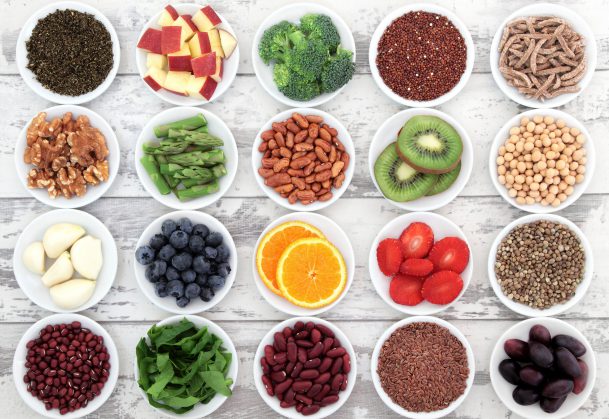
Psychological Science: Good nutrition has long been viewed as a cornerstone of physical health, but research is increasingly showing diet’s effect on mental health, as well. A special section in Clinical Psychological Science highlights the different approaches that psychology researchers are taking to understand the many ways in which nutrition and mental health intersect. Clinical Psychological Science is a journal of the Association for Psychological Science.

Why frequent dieting makes you put on weight – and what to do about it

TheConversation: People who regularly go on diets tend to lose weight initially but bounce back and even gain weight after stopping the regime. This phenomenon – dubbed yo-yo dieting – is associated with changes in metabolism and is one reason why the vast majority of calorie-based diets fail. But exactly what causes these metabolic changes has remained a mystery – until now.

Thursday, November 24, 2016

Low-fibre diet puts gut at risk

Nature: Mice eating a low-fibre diet have a higher risk of bowel infection, thanks to bacteria that normally live in the gut. Eric Martens at the University of Michigan Medical School in Ann Arbor and Mahesh Desai, now at the Luxembourg Institute of Health, together with their colleagues, compared the effects of fibre-poor and fibre-rich diets in mice that lacked their own bacteria and were given a mix of 14 species of human gut bacteria. These microbes normally consume carbohydrates from dietary fibre, but without these nutrients, the bacteria instead degraded the mucus barrier that lines the intestinal wall.

Sunday, November 6, 2016

Diet myths and cancer

DKFZ: Fasting starves tumors, foregoing sugar slows down cancer growth, alkaline foods protect from cancer: Many special diets and dietary patterns supposedly have the potential to prevent cancer or an existing disease from spreading in the body. Do these theories withstand scientific scrutiny? An interview with Dr. Susanne Weg-Remers, head of DKFZ's Cancer Information Service (KID), on World Food Day on October 16.

Monday, February 1, 2016

Exercise and Diet Improves Ability to Exercise for Patients with Common Type of Heart Failure

JAMA: Among obese older patients with a common type of heart failure, calorie restriction or aerobic exercise training improved their ability to exercise without experiencing shortness of breath, although neither intervention had a significant effect on a measure of quality of life, according to a study in the January 5 issue of JAMA.

Tuesday, June 30, 2015

'Eat carbohydrates last' advice for diabetics

NHS: “Eating protein and veg BEFORE carbs…could help diabetics control their blood sugar,” the Mail Online reports. However, the advice is based on a very small study and the influence of food ordering really needs to be checked in much larger studies before it can be made an official guideline. The study involved just 11 people, most of whom had obesity-related type 2 diabetes, who ate the same meal one week apart. On the first occasion, they ate the carbohydrates 15 minutes before the protein and veg; on the second occasion, they reversed the order.

Wednesday, June 24, 2015

Is sugar as evil as they claim?

Calgary: Is there a place for sugar in our diets?
A balance of calorie intake from the three sources of calories (protein, carbohydrate and fat) is important. Health Canada recommends about half of our daily calorie intake should come from carbohydrates.
The term “carbohydrate” refers to foods rich in starch (bread, rice, pasta), or any food that is rich in sugar (fruit and foods with added sugar such as desserts, candy, etc.). Complex carbs (whole grains, oats, etc.) are recommended as the main source of carbohydrates, as they generally have more nutritive value, more fibre and a lower glycemic index.

Mouse mum's high-fibre diet may keep her pups asthma-free

Scimex: An Australian-led study has discovered the mechanism behind why a high-fibre diet helps to protect a mouse mother's pups against asthma. The researchers found that the compounds that come from digested fibre can actually suppress certain genes involved in immune responses - which are linked to human asthma - in her offspring, making them less susceptible to immune-related airway problems. A mechanism by which a high-fibre diet during pregnancy in mice can increase the chances of offspring growing up asthma-free is reported in Nature Communications this week. The study shows a relationship between fibre metabolites from the female mouse's diet and the epigenetic suppression of certain allergic immune responses in her offspring.

Paleo diet? Science has moved on since the stone age

TheConversation: “Our ancestors didn’t eat like this, so we shouldn’t.” This is the main ethos of many modern diets which advise us to exclude a number of recent additions to our plates because they were not part of our distant predecessors diet. There are many different variations on the theme – from all-encompassing “palaeolithic-style” diets to grain-free or gluten-free regimes – which are all generating a massive boom in specialised shops, products and even restaurants.

Friday, June 19, 2015

Do 'fasting' diets make us healthier as well as slimmer?

Scimex: The answer is a cautious "yes", according to new research by US and Italian scientists. After finding that mice lived longer when fed a specifically-timed calorie-restricted diet, the researchers also discovered that doing the equivalent in humans - a five-day low-calorie/low-protein diet once per month for three months - had a positive impact on health and ageing-related risk factors. However, they point out that this was just a pilot study and larger randomised clinical trials will be needed to confirm these results.