NIH: LSD’s
chemical diagram has long been a counterculture icon, but exactly how
that structure works in the brain to achieve the drug’s potent
mind-altering effects has remained a mystery. Now, an NIMH grantee has
discovered the key pieces of the puzzle – unveiling the molecular
structure of LSD interacting with its target protein in the human brain,
a receptor for the chemical messenger serotonin. The findings are
providing the first structure-informed insights into the molecular
mechanisms of a hallucinogen .Only good, independent and reliable information about health from experts.
Showing posts with label drugs. Show all posts
Sunday, March 12, 2017
Revealed: LSD Docked in its Human Brain Target
NIH: LSD’s
chemical diagram has long been a counterculture icon, but exactly how
that structure works in the brain to achieve the drug’s potent
mind-altering effects has remained a mystery. Now, an NIMH grantee has
discovered the key pieces of the puzzle – unveiling the molecular
structure of LSD interacting with its target protein in the human brain,
a receptor for the chemical messenger serotonin. The findings are
providing the first structure-informed insights into the molecular
mechanisms of a hallucinogen .Friday, February 24, 2017
Pharma funding biases results of drug trials
Sidney: There are many ways to influence study outcomes. Industry-sponsored studies are more likely to favour
products of pharmaceuticals and medical devices than non-industry funded
research, a new study reveals. The new Cochrane Library Review, which adds 27 studies to update a previous Cochrane review,
confirms earlier analyses by “providing definitive evidence that
pharmaceutical industry funding of drug studies biases the results and
conclusions to look favourable towards the drug of the sponsor,” said
senior author, Professor Lisa Bero of the University of Sydney’s Charles Perkins Centre.
Sunday, February 19, 2017
New technology to speed up testing of cancer drugs
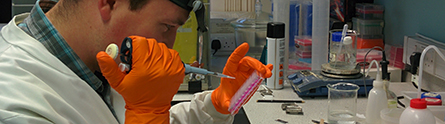
Nottingham: A new technology that could speed up the
testing of drugs and reduce the use of animals in the lab has been
developed by scientists at The University of Nottingham. The researchers in the University’s Division of Cancer and Stem Cells
have designed a device that allows dozens of tiny balls of cells,
called spheroids, to be sliced simultaneously to examine their structure
and function. The method, which is detailed in the academic journal Scientific Reports,
will enable other scientists to more rapidly assess whether new
therapies and tissue engineering are likely to work in the real world,
and could be up to 11 times more efficient than current methods.
Wednesday, February 15, 2017
Study Affirms That Cocaine Makes Users More Likely To Risk Unsafe Sex

Johns Hopkins: Cocaine use has long been tied anecdotally to higher-than-usual
rates of impulsive behavior, including risky sex, but the tie-in has
been difficult to study with any scientifically controlled rigor. Now, in a government-funded study for which Johns Hopkins
investigators recruited a small number of otherwise healthy regular
cocaine users through advertisements and word of mouth, results point to
“impatience” as a clear barrier to condom use in those who are sexually
aroused because of the drug.
MRI brain scans may help identify risks, prevent adolescent substance abuse
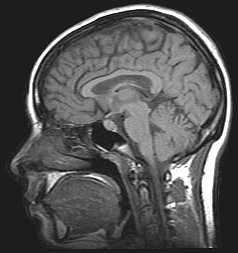
Oregon: Neuroimaging of the brain using technologies such as magnetic
resonance imaging, or MRIs, increasingly is showing promise as a
technique to predict adolescent vulnerability to substance abuse
disorders, researchers conclude in a new analysis. A greater understanding of what such technologies offer
and continued research to perfect the use of them may ultimately help
identify youth at the highest risk for these problems and allow
prevention approaches. These might include neuropsychological
intervention exercises that can strengthen vulnerable cognitive networks
in the brain.
Labels
addiction,
brain,
drugs,
imaging,
MRI,
sustance abuse,
technology
Nonmedical Use of Prescription Drugs Among Young People: A Growing Global Concern
Columbia: Balancing a country’s need to make prescription drugs available to those
in need while simultaneously curbing nonmedical use is one of our
greatest challenges, according to a perspective article just published
by Silvia Martins, MD, PhD, associate professor of Epidemiology at Columbia University’s Mailman School of Public Health and a colleague at American University of Beirut. The article published in World Psychiatry,
the journal of the World Psychiatric Association, cites research
finding increased rates of deaths worldwide from prescription opioids as
high as 550 percent depending on country and time-period. For example,
from 2000 to 2014, there was a 200 percent increase in overdose deaths
due to opioid use.
Wednesday, January 25, 2017
Source of opioids’ side effects identified
Stanford: Stanford researchers said
they have identified the receptors to which opioids bind to produce
tolerance to the drugs and increased sensitivity to pain. They also
found that a commercially available drug limited those side effects in
mice. A commercially available drug may help drastically reduce two side
effects of opioid painkillers — a growing tolerance to them and a
paradoxical increased sensitivity to pain — without affecting the drugs’
ability to reduce pain, according to a study by researchers at the Stanford University School of Medicine.
Wednesday, December 21, 2016
Concern over “unethical practices” by US drug maker Abbott in India
BMJ: A US drug maker encouraged Indian doctors to prescribe a drug unproven for diabetic neuropathy (nerve damage) that until recently lacked central government approval, finds a special report in The BMJ today. Frederik Joelving, a journalist based in Denmark, reports how US drug company Abbott Laboratories advertised free neuropathy tests outside doctors’ offices throughout India for anyone with symptoms of neuropathy, such as tingling or numbness in the feet. He also describes how people who tested positive at the drug maker’s “neuropathy camps” (free events across India where people are tested for the disorder) were prescribed Abbott India’s Surbex Star, a mix of antioxidants, minerals, and B vitamins that the company promotes for the treatment of diabetic neuropathy.
Wednesday, November 30, 2016
Flakka is a dangerous drug, but it doesn’t turn you into a zombie
TheConversation: Stories of horrific crimes resulting from drug use have been propagated by the media for over a century. Such stories began with cocaine in 1914 and were followed by “reefer madness” stories in the 1930s and reports of “LSD murders”
in the 1960s. Our latest drug said to be associated with murderous
stories is a “bath salt” called Flakka, which some media have even
called a “zombie drug.”
Wednesday, November 9, 2016
Psychedelic Drugs Trigger More Intense Mystical Experiences than Meditation or Prayer
Philadelphia: For millennia, human kind has sought transformative spiritual
experiences through prayer, meditation, ritual or by taking psychedelic
substances considered sacred. But for many, the use of psychedelic
substances is viewed as a shortcut, lacking intensity and integrity. Using a first-of-its-kind, online database of self-reported spiritual
experiences, researchers at Thomas Jefferson University and University
of Pennsylvania sought to find out what, if anything, makes
psychedelic-induced experiences different. The findings published online
in the American Psychology Association’s Journal of Humanistic Psychology.
Tuesday, June 30, 2015
Antibiotic pack sizes don't fit
Scimex: Australian researchers have looked at why Australians are often prescribed not enough to too many antibiotics, and report that packaging size is at fault. They found that in 32 common antibiotic prescribing scenarios, 10 patients had doses left over in surplus and 18 had a shortfall, leaving only four in which the packaging size matched the duration recommended by The Australian Therapeutic Guidelines.
Genes are the key to unlocking the right drugs
Scimex: More than half of newly developed drugs fail during clinical trials because they do not result in the expected therapeutic effects when tested in mice and other animals. Now, international researchers have found that it is better to select drugs for testing in clinical trials if they target genes that are known to be involved in the disease, saying that this selection method greatly boosts the chances of discovering a successful drug. Choosing drug targets based on studies of genetic associations with disease could potentially double the success rate of new drug development, reports a study published online this week inNature Genetics.
Monday, June 29, 2015
Genetic discovery uncovers key tool for morphine production in poppies
York: Scientists at the University of York and GlaxoSmithKline (GSK) Australia have made a key genetic discovery in poppies, paving the way for more effective painkillers. The discovery, published in the latest issue of Science, reveals the long sought after gene that is seen as a critical gateway step in the synthesis of the morphinan class of alkaloids, which include the painkiller drugs morphine and codeine.
Thursday, June 25, 2015
FDA takes action to protect consumers from potentially dangerous counterfeit medicines and devices sold online
FDA: The U.S. Food and Drug Administration, in partnership with international regulatory and law enforcement agencies, took action this week against more than 1,050 websites that illegally sell potentially dangerous, unapproved prescription medicines and medical devices to consumers. These actions include the issuance of regulatory warnings to the operators of offending websites and seizure of illegal medicines and medical devices worldwide. The action occurred as part of the Eighth Annual International Internet Week of Action (IIWA), a global cooperative effort, led by INTERPOL, to combat the unlawful sale and distribution of illegal and potentially counterfeit medical products on the Internet.
Wednesday, June 24, 2015
3D model of the human liver soon created
Toronto: A research team led by U of T Engineering Professor Craig Simmons (MIE, IBBME) received $300,000 this week to create a 3D model of the human liver. Funded by Ontario Centres of Excellence and pharmaceutical consortium CQDM, the project could help determine whether or not new drug molecules are safe for use in humans. Drug
developers rely on lab tests and preclinical trials to determine how a
potential drug molecule might react when processed by the liver or other
organs in the human body. One form of testing is to try the drug on
lab-grown cells, but an individual cell can behave very differently to
one in its natural environment that is surrounded by blood vessels and
other components of tissue.
Tuesday, June 16, 2015
New type of drug can target all disease-causing proteins
Yale: Current drugs block the actions of only about a quarter of known
disease-causing proteins, but Yale University researchers have developed
a technology capable of not just inhibiting, but destroying every
protein it targets. The new type of drug, called Proteolysis
Targeting Chimeras (PROTACs), also can continue to destroy mutant
proteins in mouse tumors, according to a new study published June 10 in
the journal Nature Chemical Biology.
Propaganda or cost of innovation? The high price of new drugs
TheConversation: Ever wonder how much it costs to develop a new drug? The independent,
non-profit research group, The Tufts Center for the Study of Drug
Development, estimates US$2.6 billion, almost double the centre’s previous estimate a decade ago. But how accurate is this figure? While the details of the study remain a secret, a press release, slideshow and background document on the Tufts website
provide some insight into how this figure was calculated.
Interestingly, only slightly more than half of this cost is directly
related to research and development (R&D). US$1.2 billion are “time
costs” – returns that investors might have made if their money wasn’t
tied up in developing a particular drug.
The rise of cognitive enhancers is a mass social experiment
TheConversation: Want to sign up for a massive human experiment? Too late. You’re
already a lab rat. There was no ethics approval or informed consent. You
weren’t asked, you never signed up, and now there’s no easy way to opt
out. We don’t want to be alarmist. We’re not suggesting you’re about to
sprout wings, grow coarse hairs in surprising places and become a
gruesome half-insect like the Brundlefly (the side effects of real life scientific experiments rarely impress like the special effects in David Cronenberg’s film The Fly). But we do know not everyone wants to be a human lab rat. And yet we
are all currently enrolled in a massive experiment involving cognitive enhancers.
Monday, June 8, 2015
how do generic medicines compare with the big brands?
TheConversation: The word “generic” is derived from the Latin “genus” which means
“kind” or “class”. For medicines, it was originally used to describe the
active chemical ingredient of a drug, in lieu of the scientific name,
which is often difficult to remember and pronounce. Over time, this definition has broadened to include additional brands of existing medicines. Researching, developing and bringing a medicine to market is a costly process and now exceeds US$2.6 billion.
Pharmaceutical companies are given a patent period of 20 years,
including time for clinical trials, where they have exclusive marketing
rights to recoup their investment.
Friday, June 5, 2015
US Food and Drug Administration finds fungus and insects in lab that supplies drugs for clinical trials
Nature: A facility at the US National Institutes of Health
(NIH) that makes drugs for the agency's clinical trials has been shut
down after government inspectors found fungal contamination and poor
manufacturing practices. The Pharmaceutical
Development Section, located on the NIH's Bethesda, Maryland, campus,
produces and manages experimental drugs for the agency's Clinical
Center. As many as 46 trials now underway receive materials from the
facility, the NIH says.
Subscribe to:
Posts (Atom)


