Showing posts with label antidepressants. Show all posts

Wednesday, June 27, 2018

Antidepressant use may be linked to increased risk of weight gain

BMJ: Long term use of antidepressants is associated with a sustained increase in risk of weight gain over at least five years, finds a study published in The BMJ today. The findings show that patients prescribed any of the 12 most commonly used antidepressants were more likely to experience weight gain than those not taking the drugs. The risk was greatest during the second and third years of treatment.

Monday, February 27, 2017

Use of multiple brain-affecting drugs is rising among seniors, despite risks, research finds

Ann Arbor: Tranquilizers, antidepressants, opioids and anti-psychotic medications carry special risks for older people, alone or in combination. The sharpest rise occurred in seniors living in rural areas, where the rate of doctor visits by seniors taking combinations of such drugs – opioids, antidepressants, tranquilizers and antipsychotics – more than tripled. This “polypharmacy” of drugs that act on the central nervous system is concerning, the researchers say, because of the special risks to older adults that come with combining multiple such medications. Falls – and the injuries that can result from them – are the chief concern, along with problems with driving, memory and thinking.

Sunday, October 30, 2016

Researchers predict with high accuracy if antidepressants will help
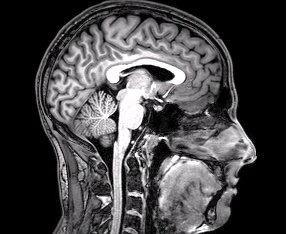
Stanford: Using brain scans combined with a personal history of any early life trauma, such as abuse or neglect, researchers at the Stanford University School of Medicine successfully predicted with 80 percent accuracy whether antidepressants would help patients recover from depression.
“We think our results are especially strong because we demonstrated that accuracy is robust by confirming it with cross-validation techniques,” said Leanne Williams, PhD, professor of psychiatry and behavioral sciences.
A paper describing the findings was published online Oct. 10 in the Proceedings of the National Academies of Science. Williams is the senior author. Postdoctoral scholar Andrea Goldstein-Piekarski, PhD, is the lead author.

Sunday, October 23, 2016

Antidepressants During Pregnancy Associated with Childhood Language Disorders

Columbia: Mothers who purchased antidepressants at least twice during pregnancy had a 37-percent increased risk of speech and/or language disorders among their offspring compared to mothers with depression and other psychiatric disorders who were not treated with antidepressants, according to new research. Results by scientists at Columbia University’s Mailman School of Public Health and Columbia University Medical Center are published online in JAMA Psychiatry.

Tuesday, March 31, 2015

Anti-depressants not as effective as advertised

Groningen: The effectiveness of anti-depressants in treating anxiety disorders has been overestimated. This is the conclusion drawn by Annelieke Roest of the UMCG, following an investigation of the scientific literature. Negative studies are often not published, making it unclear how well the drugs work in the treatment of anxiety disorders. Roest spent 3 years on the research and is publishing the results in JAMA Psychiatry of 26 March 2015.

Tuesday, January 13, 2015

Exposure to antidepressants during gestation influences anxiety behavior later in life

UCLA. US: About 15 percent of U.S. women suffer from anxiety disorders and depression during their pregnancies, and many are prescribed antidepressants. However, little is known about how their children might be affected by exposure to these medications in the womb. UCLA study also finds that different SSRIs may have different effects in pregnant women.

Selective serotonin reuptake inhibitors (SSRIs)

Mayo Clinic US: Selective serotonin reuptake inhibitors (SSRIs) are the most commonly prescribed antidepressants. They can ease symptoms of moderate to severe depression, are relatively safe and generally cause fewer side effects than other types of antidepressants do.