
Showing posts with label economy. Show all posts
Showing posts with label economy. Show all posts
Tuesday, November 15, 2016
Why repealing Obamacare may not be as easy as Trump thinks
Thursday, November 10, 2016
Expensive new cancer drugs have little effect on survival of many cancers
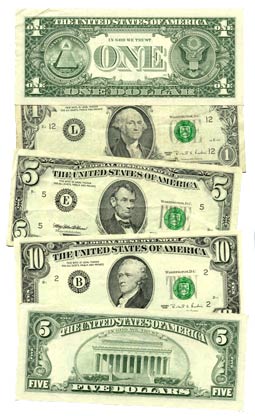 BMJ: Despite considerable investment and innovation, new cancer drugs approved in the past 10 years may have little effect on survival in adults with cancer, raising a number of concerns, argues an expert in The BMJ today . Peter Wise, a former consultant at Charing Cross Hospital in London, says spending an annual six figure sum to prolong life by a few weeks or months “may be inappropriate” for many patients. In 2015, global sales of cancer drugs were around $110bn (£85bn; €95bn) . He calls for stricter drug approval criteria and improved consent processes “to achieve ethical treatment and reduce cancer costs."
Monday, November 7, 2016
Common, costly clot test has few benefits
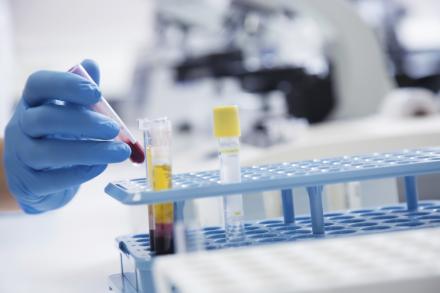 Michigan: A half billion dollars – at least -- gets spent each year on blood
tests to see which hospital patients have a genetic quirk that makes
their blood more likely to form dangerous clots.
Michigan: A half billion dollars – at least -- gets spent each year on blood
tests to see which hospital patients have a genetic quirk that makes
their blood more likely to form dangerous clots.
Writing in the Journal of Hospital Medicine (link is external), they review what’s known about testing for the trait called inherited thrombophilia, and call for a drastic cut in the test’s use by doctors across America.
Wednesday, November 2, 2016
There’s money in your wearable fitness tracker

Wednesday, June 24, 2015
‘Smarter’ Ordering of Breast Biomarker Tests Could Save Millions in Health Care Dollars, Study Reveals

Subscribe to:
Comments (Atom)