WHO: The number of people dying from malaria has fallen
dramatically since 2000 and malaria cases are also steadily declining,
according to the World malaria report 2014.
Showing posts with label mosquito. Show all posts
Showing posts with label mosquito. Show all posts
Tuesday, December 30, 2014
Malaria
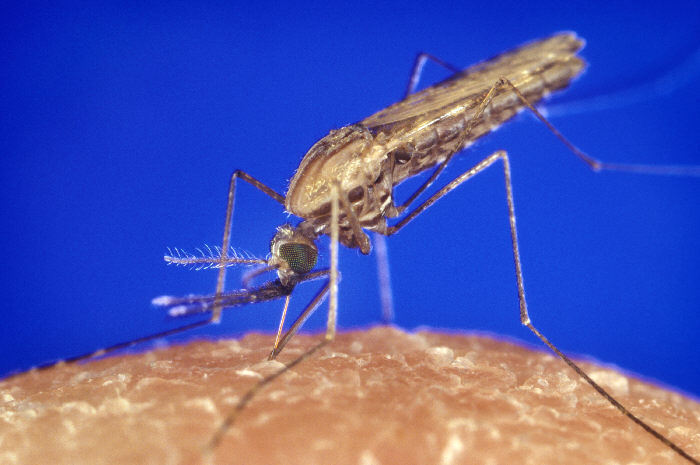
Symptoms of malaria include fever, headache, and vomiting, and usually appear between 10 and 15 days after the mosquito bite. If not treated, malaria can quickly become life-threatening by disrupting the blood supply to vital organs. In many parts of the world, the parasites have developed resistance to a number of malaria medicines.
Key interventions to control malaria include: prompt and effective treatment with artemisinin-based combination therapies; use of insecticidal nets by people at risk; and indoor residual spraying with insecticide to control the vector mosquitoes.
Tuesday, October 14, 2014
Filariasis

The infection can be treated with drugs. However, chronic conditions may not be curable by anti-filarial drugs and require other measures, eg. surgery for hydrocele, care of the skin and exercise to increase lymphatic drainage in lymphoedema.
Annual treatment of all individuals at risk (individuals living in endemic areas) with recommended anti-filarial drugs combination of either diethyl-carbamazine citrate (DEC) and albendazole, or ivermectin and albendazole; or the regular use of DEC fortified salt can prevent occurrence of new infection and disease.
Tuesday, May 13, 2014
Yellow fever

Yellow fever is a flavivirus infection that is transmitted to people and to non-human primates through the bites of infected mosquitoes. This serious viral disease affects people living in and visiting tropical regions of Africa and Central and South America. In rural areas next to forests, the virus typically causes sporadic cases or even small-scale epidemics (outbreaks) but, if it is introduced into urban areas, it can cause large explosive epidemics that are hard to control. Although many people who contract yellow fever do not develop any symptoms, some have mild flu-like symptoms, and others develop a high fever with jaundice (yellowing of the skin and eyes) or hemorrhaging (bleeding) from the mouth, nose, eyes, or stomach. Half of patients who develop these severe symptoms die. Because of this wide spectrum of symptoms, which overlap with those of other tropical diseases, it is hard to diagnose yellow fever from symptoms alone. However, serological tests that detect antibodies to the virus in the blood can help in diagnosis. There is no specific antiviral treatment for yellow fever but its symptoms can be treated.
Eradication of yellow fever is not feasible because of the wildlife reservoir for the virus but there is a safe, affordable, and highly effective vaccine against the disease.
Subscribe to:
Comments (Atom)