Showing posts with label retina. Show all posts
Showing posts with label retina. Show all posts
Saturday, November 12, 2016
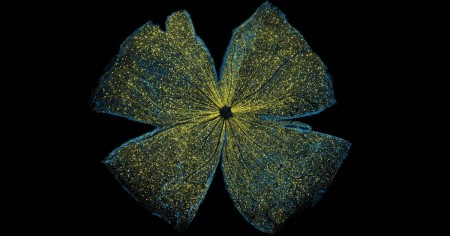
Lighting up the Promise of Retinal Gene Therapy
Zika Virus Can Cause Severe Damage to Retina in Infants
Sunday, November 6, 2016
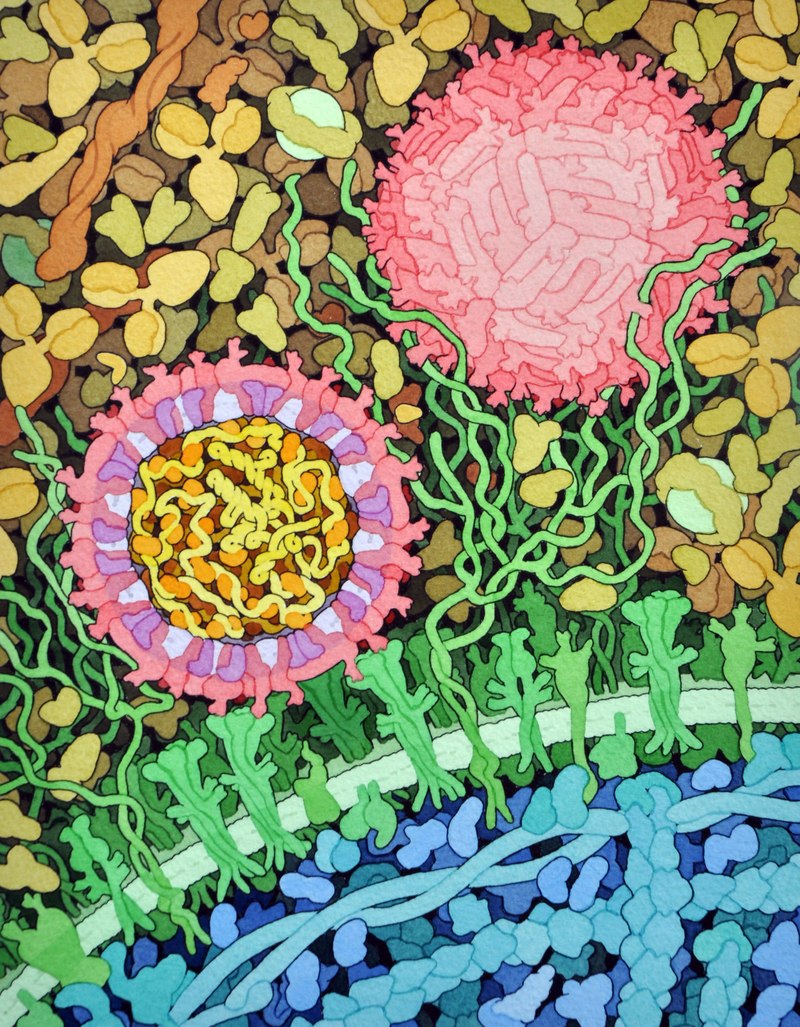
Artificial retinas : promising leads towards clearer vision

CNRS: A major therapeutic challenge, the retinal prostheses that have been under development during the past ten years can enable some blind subjects to perceive light signals, but the image thus restored is still far from being clear. By comparing in rodents the activity of the visual cortex generated artificially by implants against that produced by “natural sight”, scientists from CNRS, CEA, Inserm, AP-HM and Aix-Marseille Université identified two factors that limit the resolution of prostheses. Based on these findings, they were able to improve the precision of prosthetic activation. These multidisciplinary efforts, published on 23 August 2016 in eLife, thus open the way towards further advances in retinal prostheses that will enhance the quality of life of implanted patients.
Monday, February 25, 2013
Age-related macular degeneration (AMD) Overview

The third leading global cause of blindness (after cataracts and glaucoma) is age-related macular degeneration (AMD).
This group of conditions is characterized by lesions in the macular (central) region of the retina, the tissue at the back of the eye that converts light into electrical messages and sends them to the brain.
AMD, which affects older people, destroys the sharp central vision that is needed for reading or driving, leaving only dim, blurred images or a black hole at the center of vision.
AMD can be diagnosed by examining digital photographs of the retina or by examining the retina directly using a special magnifying lens (slit lamp biomicroscopy).
There is no cure for AMD, although injections into the eye of certain drugs, such as bevacizumab, that block the activity of vascular endothelial growth factor can slow the rate of vision loss caused by some forms of AMD.
Subscribe to:
Comments (Atom)