
Showing posts with label heart rhythms. Show all posts
Showing posts with label heart rhythms. Show all posts
Monday, April 24, 2017
The world’s smallest pacemaker
Friday, April 21, 2017
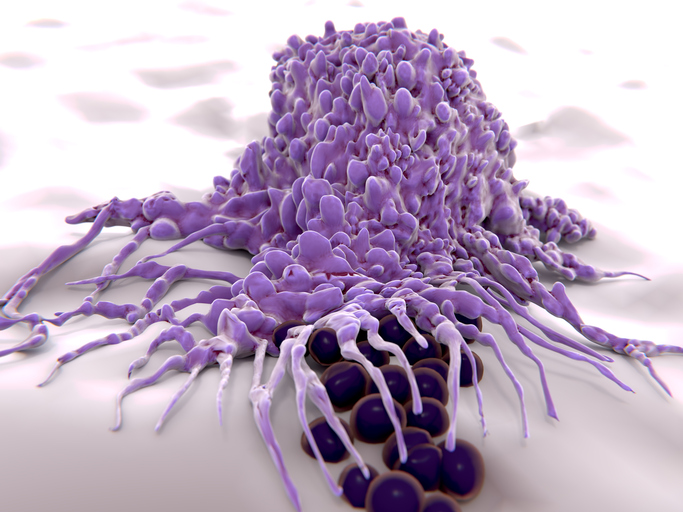
Immune cells shown to be essential to a healthy heart rhythm
Monday, June 15, 2015
Heart researchers revealed how a faulty gene can cause fatal abnormal heart rhythms (video)
University of Manchester researchers, funded by the British Heart Foundation, have revealed how a faulty gene can cause fatal abnormal heart rhythms that are brought on by exercise.
Dangerous heart rhythms called arrhythmias, often caused by undiagnosed heart conditions, can cause sudden cardiac arrests that take the lives of seemingly healthy young men and women including sports people.
Dangerous heart rhythms called arrhythmias, often caused by undiagnosed heart conditions, can cause sudden cardiac arrests that take the lives of seemingly healthy young men and women including sports people.
Friday, May 22, 2015
Drug developed in 1950 for the treatment of Lupus to treat heart rhythm disease

Thursday, February 19, 2015
The effectiveness of the Valsalva Manoeuvre for stopping an abnormal heart rhythm
Cochrane: Supraventricular
tachycardia (SVT) is a common heart abnormality that presents as a fast
heart rate. This heart rhythm disturbance can occur in healthy
individuals and may include such symptoms as chest pain, palpitations,
shortness of breath, sweating, and feeling faint. In rarer instances,
unconsciousness may occur. The treatment of SVT is usually a combination
of physical straining manoeuvres (also known as vagal manoeuvres),
medications, or electrical therapy (used in severe cases where blood pressure drops to a low level).
Tuesday, January 20, 2015
Simple model explains complex problems in an ageing heart
Imperial college. UK: Scientists at Imperial College London have
developed a model that helps explain why we are more likely to develop
an abnormal heartbeat with age. The simple mathematical model also suggests why current treatments for the condition are not always successful.
Subscribe to:
Comments (Atom)