Brigham Young: There’s
a multi-billion-dollar industry devoted to products that fight signs of
aging, but moisturizers only go skin deep. Aging occurs deeper — at a
cellular level — and scientists have found that eating less can slow
this cellular process. Recent research published in Molecular & Cellular Proteomics
offers one glimpse into how cutting calories impacts aging inside a
cell. The researchers found that when ribosomes — the cell’s protein
makers — slow down, the aging process slows too. The decreased speed
lowers production but gives ribosomes extra time to repair themselves.
Only good, independent and reliable information about health from experts.
Showing posts with label aging. Show all posts
Friday, July 6, 2018
Wednesday, May 16, 2018
What if meditation allowed us to age better?

INSERM: And what if meditation enhanced the aging process? This is
suggested by the results of a pilot study, conducted by Inserm
researchers based in Caen and Lyon. 73 individuals, with an average age
of 65 years, underwent brain imaging tests. Among these individuals,
“meditation experts” (with 15,000 to 30,000 hours of meditation to their
name) showed significant differences in certain regions of the brain.
By reducing stress, anxiety, negative emotions and sleep problems, which
tend to become more pronounced with age, meditation could reduce the
harmful effects arising from these factors and have a positive effect on
brain aging. These results have been published in the journal Scientific Reports.
Wednesday, March 8, 2017
Scientifically designed fasting diet lowers risks for major diseases
USC: What if you could lose weight and reduce your risk of life-threatening
disease without any changes in what you eat — other than a five-day
special diet once every few months? That’s what happened for 71 adults placed on three cycles of a
low-calorie, “fasting-mimicking” diet. The phase II trial, conducted by
researchers at the USC Leonard Davis School of Gerontology, demonstrated
a host of benefits from the regimen. The diet reduced cardiovascular risk factors, including blood
pressure and signs of inflammation (measured by C-reactive protein
levels), as well as fasting glucose and reduced levels of IGF-1, a
hormone that affects metabolism. It also shrank waistlines and resulted
in weight loss, both in total body fat and trunk fat, but not in muscle
mass.
Wednesday, March 1, 2017
Researchers discover link between aging, devastating lung disease
Tuesday, February 28, 2017
Virtual-reality system for the elderly wins health care prize
MIT: Virtual
reality is quickly gaining steam in the gaming industry. But an MIT
startup is now aiming the technology at a different demographic, putting
it to use as a health care tool for the elderly. At last night’s MIT Sloan Healthcare Innovations Prize pitch competition, Rendever
earned the $25,000 grand prize for creating a virtual-reality platform
that gives residents in assisted-living facilities the chance to explore
the world virtually. The platform also provides cognitive therapy and
tracks movement data to aid in early diagnosis of dementia.
Monday, February 27, 2017
“Late-life” genes activated by biological clock to help protect against stress, aging
Oregon: Researchers at Oregon State University have discovered that a subset
of genes involved in daily circadian rhythms, or the “biological clock,”
only become active late in life or during periods of intense stress
when they are most needed to help protect critical life functions. The findings, made in research done with fruit flies and published
today in Nature Communications, are part of a unique stress response
mechanism that was previously unknown.
Wednesday, January 25, 2017
Young blood does not reverse aging in old mice, UC Berkeley study finds
Berkeley: A new study from UC Berkeley found that tissue health and repair
dramatically decline in young mice when half of their blood is replaced
with blood from old mice. The study argues against the rejuvenating
properties of young blood and points to old blood, or molecules within,
as driving the aging process. “Our study suggests that young blood by itself will not work as
effective medicine,” said Irina Conboy, associate professor in the
Department of Bioengineering at UC Berkeley. “It’s more accurate to say
that there are inhibitors in old blood that we need to target to reverse
aging.”
Wednesday, January 18, 2017
Can we delay or prevent dementia?
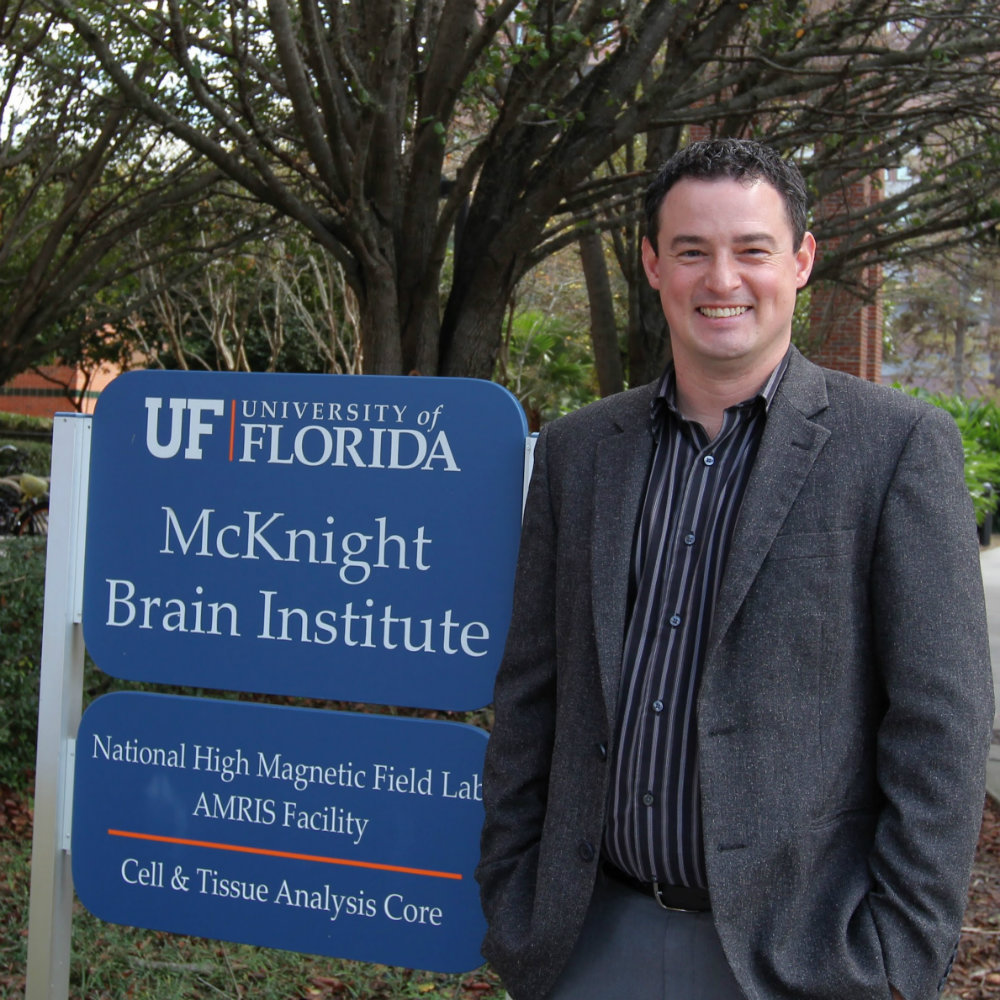
University of Florida: Walking across the University of Florida’s Health Science Center campus, Adam Woods cites a sobering statistic. “By 2050, the U.S. population over the age of 65 will double,” he
says. “We’re simply not set up as a society to house and treat an
exponential growth of dementia patients. Economically, our healthcare
system is unable to absorb that impact.” Woods is an assistant professor of clinical and health psychology in
the College of Public Health and Health Professions as well as the
assistant director of UF’s Center for Cognitive Aging and Memory. He is
looking at ways to delay the onset of dementia, or just preventing
people from getting it all together. Besides the obviously devastating
diagnosis for a patient and their loved ones, there are the cold hard
facts of caring for someone with dementia: the astronomical financial
costs involved.
Subscribe to:
Comments (Atom)


