Showing posts with label cancer. Show all posts

Monday, March 29, 2021

Cancer Immunotherapy May Also Treat Certain Autoimmune Diseases

University of Michigan :The new approach blocks the interaction between cancer cells and immune receptors, showing promise in mice.
A team of researchers has found disrupting the interaction between cancer cells and certain immune cells is more effective at killing cancer cells than current immunotherapy treatments.

The findings, which include studies in cell lines and animal models, appeared in JCI Insight and focus on a protein called CD6 as a target for a new approach to immunotherapy.

Sunday, June 10, 2018

Study explores carbohydrates’ impact on head, neck cancers

Illinois: Consuming high amounts of carbohydrates and various forms of sugar during the year prior to treatment for head and neck cancer may increase patients’ risks of cancer recurrence and mortality, a new study reports. However, eating moderate amounts of fats and starchy foods such as whole grains, potatoes and legumes after treatment could have protective benefits, reducing patients’ risks of disease recurrence and death, said lead author Anna E. Arthur, a professor of food science and human nutrition at the University of Illinois.

Tuesday, May 29, 2018

Belief in fake causes of cancer is rife

bottles London: Mistaken belief in mythical causes of cancer is rife, according to new research from UCL and the University of Leeds. The findings, published today in the European Journal of Cancer, show that out of 1,330 people in England more than 40% wrongly thought that stress (43%) and food additives (42%) caused cancer. A third incorrectly believed that electromagnetic frequencies (35%) and eating GM food (34%) were risk factors, while 19% thought microwave ovens and 15% said drinking from plastic bottles caused cancer despite a lack of good scientific evidence.

Wednesday, May 23, 2018

Targeting cancer cells with sugars

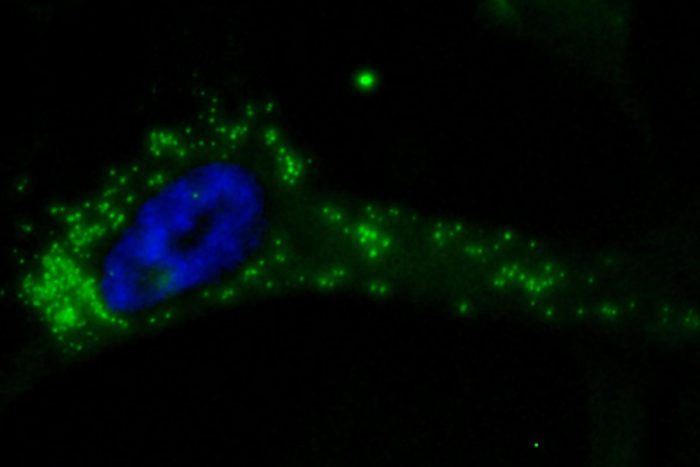
Nanocarriers binding the mannose receptor. Picture: C Hohmann/NIMMunich: Globally, cancer is the second leading cause of death, also because the efficiency of chemotherapeutics is inadequate due to poor delivery to the tumor. Prof. Olivia Merkel and her team develop targeted nanocarrier systems to increase the delivery rates of therapeutic formulations and their specific uptake into the target cells. In the treatment of cancer, there are still several limitations. Especially the delivery of sufficient amounts of active chemotherapeutic drug is difficult.

Monday, May 7, 2018

New test could tell doctors whether patients will respond to chemotherapy

Purdue: Less than half the patients diagnosed with cancer respond favorably to chemotherapy, but a new method for testing how patients will respond to various drugs could pave the way for more personalized treatment. Using Doppler light scattering, like a weather radar, researchers can determine how a patient will respond to chemotherapy even before they begin treatment. “Doppler weather radar sends electromagnetic waves into clouds, and while you don’t see individual rain droplets, you pick up the overall motion of the raindrops. What you create with this is a 3-D map of cloud motion,” said David Nolte, the Edward M. Purcell Distinguished Professor of Physics and Astronomy at Purdue University. “We’re looking at the motion inside living tissue rather than rain droplets, and we’re using infrared light instead of radar. It’s like watching the weather inside living tissue as the tissue is affected by cancer drugs.”

Saturday, April 28, 2018

Are tumor cells glutamine addicts?

EMBO: Most cancers require large amounts of glutamine for rapid growth and there are numerous studies indicating that they cannot survive without it, a phenomenon termed “glutamine addiction”. This has fueled the idea that preventing tumors from glutamine uptake could be a potential therapeutic strategy. A study by researchers from Berlin and Würzburg, Germany, now concludes that while glutamine deprivation will halt the proliferation of certain tumor cells, most of them will not be killed, raising questions of whether such a therapeutic intervention will lead to remission in cancers. The study is published today in The EMBO Journal.

Wednesday, April 18, 2018

First-in-Human 'Nanomedicine' Drug Showing Promise in Solid Cancers

Columbus: The Ohio State University Comprehensive Cancer Center – Arthur G. James Cancer Hospital and Richard J. Solove Research Institute (OSUCCC – James) is one of four cancer centers involved in testing a new “nanomedicine” agent – known as BXQ-350 while in testing – in advanced solid tumors, including difficult-to-treat malignant brain tumors. BXQ-350 combines a protein called Saposin C, which is naturally expressed in humans, with nanobubbles of a fat molecule called DOPS. This combination creates a treatment agent that has the ability to selectively target cancerous tumor cells and then kill them, largely sparing the surrounding healthy tissues. These fat nanoparticles can also penetrate the blood brain barrier, which researchers say makes them particularly useful against malignant brain tumors.

Personalized Tumor Vaccine Shows Promise in Pilot Trial

Pennsylvania: Vaccine against patients’ own tumors triggers a broad response, and induced five-year remission in one patient with advanced ovarian cancer. A new type of cancer vaccine has yielded promising results in an initial clinical trial conducted at the Perelman School of Medicine at the University of Pennsylvania and the Abramson Cancer Center of the University of Pennsylvania. The personalized vaccine is made from patients’ own immune cells, which are exposed in the laboratory to the contents of the patients’ tumor cells, and then injected into the patients to initiate a wider immune response. The trial, conducted in advanced ovarian cancer patients, was a pilot trial aimed primarily at determining safety and feasibility, but there were clear signs that it could be effective: About half of the vaccinated patients showed signs of anti-tumor T-cell responses, and those “responders” tended to live much longer without tumor progression than those who didn’t respond. One patient, after two years of vaccinations, was disease-free for another five years without further treatment. The study is published today in Science Translational Medicine.

Friday, April 21, 2017

Amino acids in diet could be key to starving cancer

Glasgow: Cutting out certain amino acids – the building blocks of proteins – from the diet of mice slows tumour growth and prolongs survival, according to new research* published in Nature. Researchers at the Cancer Research UK Beatson Institute and the University of Glasgow found that removing two non-essential amino acids – serine and glycine – from the diet of mice slowed the development of lymphoma and intestinal cancer. The researchers also found that the special diet made some cancer cells more susceptible to chemicals in cells called reactive oxygen species.

Wednesday, April 12, 2017

Rogue breast tumor proteins point to potential drug therapies

Washington: For patients with difficult-to-treat cancers, doctors increasingly rely on genomic testing of tumors to identify errors in the DNA that indicate a tumor can be targeted by existing therapies. But this approach overlooks another potential marker — rogue proteins — that may be driving cancer cells and also could be targeted with existing treatments. If DNA can be described as the body’s genetic blueprint, proteins can be thought of as the construction workers who carry out the plan. Studying the blueprint can be vital to understanding genetic diseases, including cancer, but that focus also means that some problems arising with the workers may be missed.

Personalized Cell Therapies Show More Promise in Solid Tumors

Pennsylvania: Investigational “hunter” immune cells engineered to seek out and attack a deadly brain cancer known as glioblastoma (GBM) infiltrated patients’ tumors and triggered thousands of more T cells once inside, researchers from Penn Medicine reported in a late breaking abstract at the AACR Annual Meeting 2017 (Abstract LB-053).  The findings are among the results from three studies being presented on chimeric antigen receptor (CAR) therapy with T cells and a newer approach known as CARMA, which successfully pitted engineered macrophages against breast and ovarian tumors.

Tuesday, March 7, 2017

New Technique Uses Immune Cells to Deliver Anti-Cancer Drugs

Pennsylvania: Many groups are working to discover new, safer ways to deliver drugs that fight cancer to the tumor without damaging healthy cells. Others are finding ways to boost the body’s own immune system to attack cancer cells. For the first time, researchers at Penn State have combined the two approaches by conjugating biodegradable polymer nanoparticles encapsulated with chosen cancer-fighting drugs into immune cells to create a smart, targeted system to attack cancers of specific types.

Nanodiscs deliver personalized cancer therapy to immune system

Ann Arbor: Researchers at the University of Michigan have had initial success in mice using nanodiscs to deliver a customized therapeutic vaccine for the treatment of colon and melanoma cancer tumors. "We are basically educating the immune system with these nanodiscs so that immune cells can attack cancer cells in a personalized manner," said James Moon, the John Gideon Searle assistant professor of pharmaceutical sciences and biomedical engineering.

Thursday, March 2, 2017

Strong evidence supports the association between obesity and some major types of cancer

BMJ: Strong evidence supports the association between obesity and some major types of cancer, consisting mainly of those related to digestive organs and hormone-related malignancies, reveals a large review published by The BMJ today. There could be associations between obesity and other cancers, but substantial uncertainty remains because the quality of evidence is not strong, say the international team of researchers, led by Maria Kyrgiou and Kostas Tsilidis from Imperial College London. They call for more research because “evidence of the strength of the associations between obesity and cancer may allow finer selection of people at high risk, who could be selected for personalised primary and secondary prevention strategies.”

Wednesday, March 1, 2017

Scalpel free with the "liquid biopsies"

Kathy CollinsBerkeley: Losing a breast or a lung to cancer leaves a scar, both physical and emotional. But even a biopsy to determine if a tumor is cancerous, or to track a tumor’s response to drugs, brings short-term pain and can miss signs of metastasis. So, the possibility of a scalpel-free biopsy has been something of a holy grail — a way to relieve trauma, speed diagnosis and shrink medical bills.
The ideal non-surgical approach might start with a simple blood draw. Snippets of DNA or RNA detected in the blood could be analyzed for the presence of a tumor; whether it has metastasized and whether it carries mutations for resistance to specific drugs. Such  “liquid biopsies” may now be within reach. 

Tuesday, February 28, 2017

Scalp Cooling Can Help Some Breast Cancer Patients Retain Hair

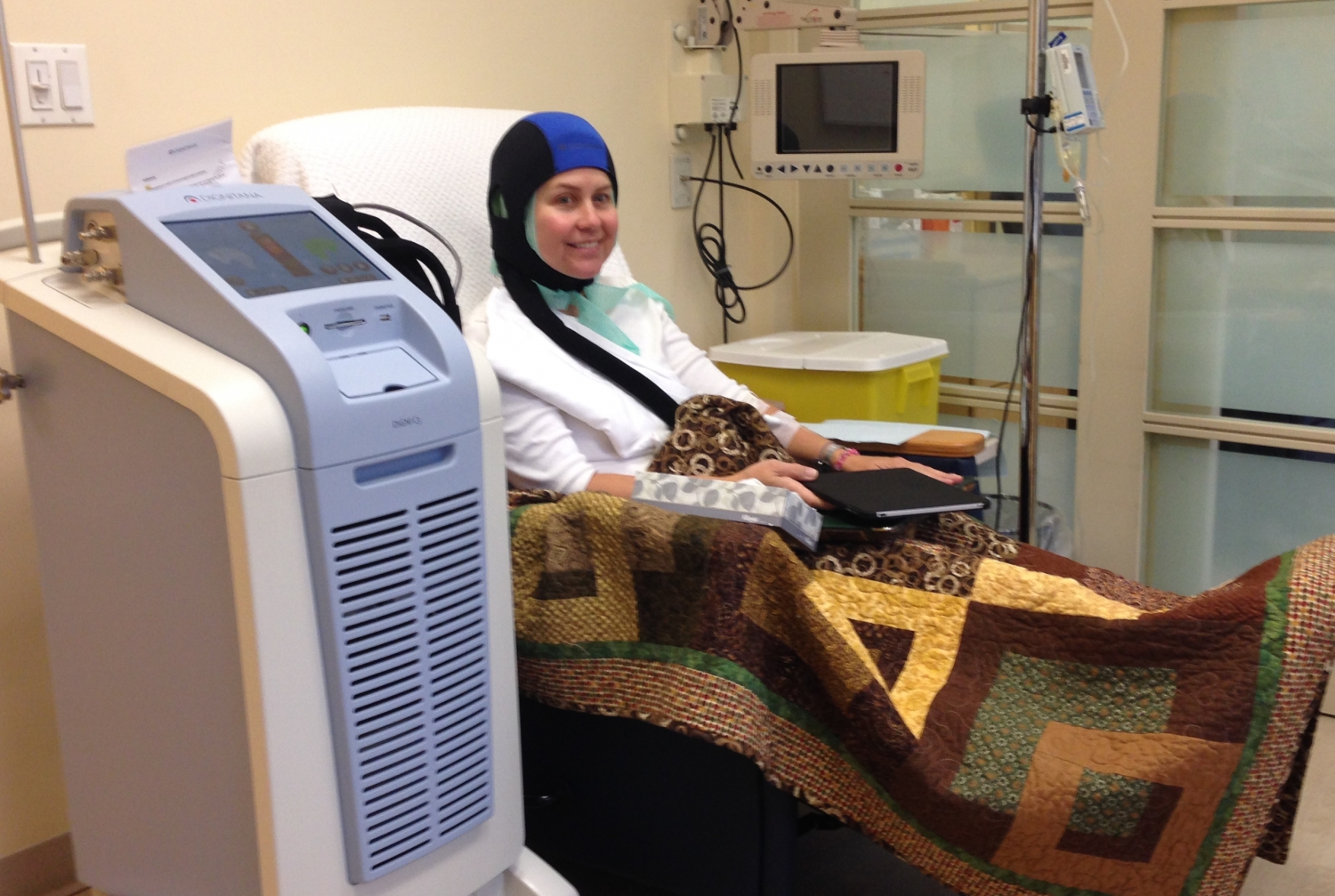
Cornell: Scalp cooling can lessen some chemotherapy-induced hair loss – one of the most devastating hallmarks of cancer – in certain breast cancer patients, according to a new multicenter study from UC San Francisco, Weill Cornell Medicine, NewYork-Presbyterian and three other medical centers. A majority of the study’s patients, all women with stage 1 or 2 breast cancer who underwent scalp cooling, retained more than half of their hair after completing chemotherapy, the investigators learned. The study, published which tracks patients over five years, used standardized photographs to grade hair loss. The study was published Feb. 14 in JAMA, the Journal of the American Medical Association.

Thursday, February 16, 2017

Researchers identify new process to raise natural armies of cancer-targeting T lymphocytes outside the body

Mayo Clinic: Mayo Clinic and University of Washington researchers have discovered a new culture method that unlocks the natural fighter function of immune T-cells when they are passing through the bloodstream. This allows T-cell armies to be raised directly from blood that naturally recognize and target proteins that are present on most human cancers. The results are published in the Feb. 14 issue of Oncotarget.

Scientists create scorecard index for heart-damaging chemo drugs

Stanford: Researchers at the Stanford University School of Medicine used heart muscle cells made from stem cells to rank commonly used chemotherapy drugs based on their likelihood of causing lasting heart damage in patients. Drugs known as tyrosine kinase inhibitors can be an effective treatment for many types of cancers, but they also have severe and sometimes fatal side effects. Using lab-grown heart cells, Stanford researchers were able to assess the drugs’ various effects on heart muscle cells, including whether the cells survived, were able to beat rhythmically and effectively, responded appropriately to electrophysiological signals and communicated with one another.

Wednesday, February 15, 2017

Study unveils new way to starve tumors to death

Saint-Louis: For decades, scientists have tried to halt cancer by blocking nutrients from reaching tumor cells, in essence starving tumor cells of the fuel needed to grow and proliferate. Such attempts often have disappointed because cancer cells are nimble, relying on numerous backup routes to continue growing. Now, scientists at Washington University School of Medicine in St. Louis have exploited a common weak point in cancer cell metabolism, forcing tumor cells to reveal the backup fuel supply routes they rely on when this weak point is compromised. Mapping these secondary routes, the researchers also identified drugs that block them. They now are planning a small clinical trial in cancer patients to evaluate this treatment strategy.

Thursday, January 26, 2017

Nanohyperthermia softens tumors to improve treatment

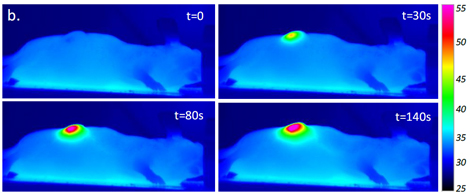
CNRS: The mechanical resistance of tumors and collateral damage of standard treatments often hinder efforts to defeat cancers. However, a team of researchers from the CNRS, the French National Institute of Health and Medical Research (INSERM), Paris Descartes University, and Paris Diderot University has successfully softened malignant tumors by heating them. This method, called nanohyperthermia, makes the tumors more vulnerable to therapeutic agents. First, carbon nanotubes (CNTs) are directly injected into the tumors. Then, laser irradiation activates the nanotubes, while the surrounding healthy tissue remains intact. The team's work was published on January 1 in Theranostics.