Showing posts with label heart defect. Show all posts

Wednesday, January 18, 2017

Children born with heart defects at increased risk for epilepsy

Northwestern: Children with congenital heart disease have a higher risk of the seizure disorder epilepsy through adulthood, according to a Northwestern Medicine study published in the journal Circulation. Bradley Marino, MD, MPP, MSCE, professor of Pediatrics in the Division of Cardiology, was a co-author of the paper. The study is the first long-term investigation to identify a higher risk of epilepsy in patients with congenital heart disease (CHD), compared to the general population. CHD — a structural problem with the heart present at birth — is the most common type of birth defect and, thanks to advances in treatment, a growing number of adults are now living with the condition.

Sunday, November 13, 2016

Medical team develops 3D babyscan for children in the womb
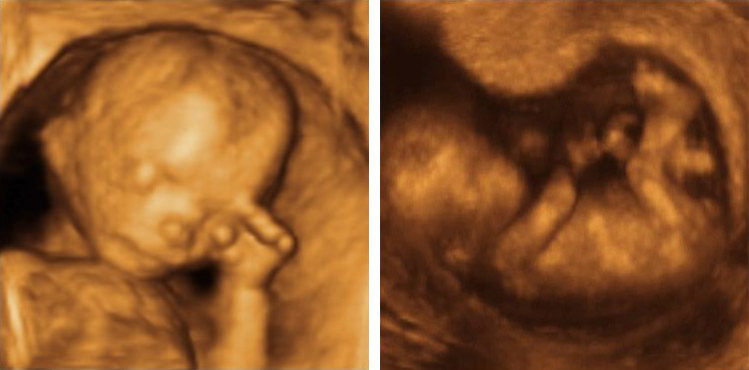
Bonn: Eight out of 1000 new-born babies are born with a heart defect. It's a blessing in disguise if the anomaly is detected before birth and the expectant mother is transferred where necessary to a specialist centre: if treated properly, the baby has substantially better chances of survival, with the risk of undesirable after-effects, e.g. resulting from lack of oxygen or poor perfusion of the organs, being reduced. Child cardiologists at the University of Bonn are currently developing a method whereby they can improve the detection of heart defects even in the early stages of pregnancy.

Tuesday, February 17, 2015

Baby’s heart defect detected by 2-minute screening test now required for all newborns in Michigan

Michigan University. US: At birth, Payton was the image of perfect health - rosy cheeks, weighing 7 pounds, 15 ounces, and eating like a champ. But just minutes before parents Holly and Rob Morris expected to take her home from Hillsdale Community Health Center, they learned Payton had failed a newborn screening test designed to help detect heart defects.