BMJ: There is no strong evidence that vitamin D protects against
pregnancy-induced high blood pressure (hypertension) or pre-eclampsia,
conclude researchers in The BMJ today. The findings support current World Health Organization guidance that
evidence recommending vitamin D supplements for women during pregnancy
to reduce adverse pregnancy outcomes is insufficient. However, in many
countries, including the UK and the US, pregnant women are advised to
take a daily dose of vitamin D.
Only good, independent and reliable information about health from experts.
Showing posts with label hypertension. Show all posts
Wednesday, June 27, 2018
Tuesday, May 29, 2018
Changing how blood pressure is measured will save lives
London: Traditional
methods of testing for high-blood pressure are no longer adequate and risk
missing vital health signs, which can lead to premature death, a study co-led
by UCL has found. The
research, the largest ever cohort study of its kind, published in the New
England Journal for Medicine, assessed 63,000 doctors’ patients, who had their
blood pressure tested using traditional ‘in clinic’ methods, such as an
automated or hand operated devices. Separately,
the same patients, were also measured using a pocket-sized ambulatory blood
pressure monitoring (ABPM) device, which records blood pressure regularly
across a 24 hour period. This device is worn at home and takes measurements
every 20 to 30 mins. Friday, May 4, 2018
Elevated blood pressure before pregnancy may increase chance of pregnancy loss
NIH: Elevated blood pressure before conception may increase the chances
for pregnancy loss, according to an analysis by researchers at the
National Institutes of Health. The authors conclude that lifestyle
changes to keep blood pressure under control could potentially reduce
the risk of loss. The study appears in Hypertension. The analysis found that for every 10 mmHg increase in diastolic blood
pressure (pressure when the heart is resting between beats), there was
an 18-percent-higher risk for pregnancy loss among the study population.
Millimeter of mercury, or mmHg, is the unit of measure used for blood
pressure. The researchers also found a 17 percent increase in pregnancy
loss for every 10 mmHg increase in mean arterial pressure, a measure of
the average pressure in the arteries during full heart beat cycles. The
study was conducted by researchers at the Eunice Kennedy Shriver National Institute of Child Health and Human Development (NICHD).
Wednesday, February 22, 2017
Hypertension: the silent killer
Maastricht: Many patients
can have long-term high blood pressure without realising it, which can
cause irreparable damage to blood vessels and organs. That's what makes
early detection and targeted and effective treatment so important. In
his inaugural lecture in acceptance of the chair in Vascular Damage in
Hypertension, professor and vascular medicine specialist Bram Kroon of
Maastricht University Medical Centre+ refers to the many aspects of
diagnosing, treating, and evaluating high blood pressure. Blood pressure is the pressure of blood against the walls of blood
vessels and arteries. When that pressure is too high, it is referred to
as hypertension. And when hypertension persists for long periods of
time, it can damage vascular walls, which can in turn reduce blood flow
to organs and ultimately lead to organ failure.
Wednesday, November 16, 2016
Heart disease, high blood pressure and diabetes may combine to worsen thinking skills

Glasgow: Research from the University of Glasgow shows that people who have a
cardiometabolic disease, such as high blood pressure, diabetes or
coronary heart disease (CHD), perform worse on mental tests of
reasoning, memory and reaction time, and having more than one of these
conditions has an even greater effect.The study, published today in the European Heart Journal, and led by
researchers from the University’s Institute of Health and Wellbeing,
suggests that preventing or delaying cardiovascular disease or diabetes
may delay cognitive decline and possible dementia.Global high blood pressure rates double in 40 years
Scimex: In the past 40 years, there has been a large increase in the number
of people living with high blood pressure worldwide because of
population growth and ageing—rising from 594 million in 1975 to over 1.1
billion in 2015. The largest rise in the prevalence of adults
with high blood pressure has been in low- and middle-income countries
(LMICs) in south Asia (eg, Bangladesh and Nepal) and sub-Saharan Africa
(eg, Ethiopia and Malawi). But high-income countries (eg, Australia,
Canada, Germany, Sweden, and Japan) have made impressive reductions in
the prevalence of adults with high blood pressure, according to the most
comprehensive analysis of worldwide trends in blood pressure to date,
published in The Lancet.
Friday, November 11, 2016
Treating hypertension in pregnancy: What’s the best way?
GroupHealth: A study by Dr. Sascha Dublin uses data from pregnant women’s experiences to find out the risks and benefits of taking high blood pressure medicine. Hypertension (high blood pressure) affects approximately 300,000
pregnant women in the United States each year, but doctors have little
clinical evidence to guide treatment decisions—including whether to
prescribe medications and if so, which ones. Group Health Research
Institute associate investigator and Group Health physician Sascha
Dublin, MD, PhD, is working to change that. With colleagues from the
University of Washington and Kaiser Permanente, she is leading one of
the largest studies ever of the impact of hypertension medications on
maternal and fetal health, including looking at differences by
race/ethnicity and obesity status.
Monday, October 31, 2016
study finds acupuncture lowers hypertension by activating opioids
UCI: Researchers with UCI’s Susan Samueli Center for Integrative Medicine have found that regular electroacupunture treatments can lower hypertension by increasing the release of a kind of opioid in the brainstem region that controls blood pressure. In tests on rats, UCI cardiology researcher Zhi-Ling Guo and colleagues noted that reduced blood pressure lasted for at least three days after electroacupuncture boosted the gene expression of enkephalins, one of the three major opioid peptides produced by the body.
Thursday, July 2, 2015
Soon a therapeutic vaccine for hypertension?
Osaka: A research team from Osaka University, with the aim of developing a therapeutic vaccine for hypertension, have successfully developed a DNA vaccine which targets Angiotensin II, a molecule which has been shown to increase blood pressure. Recently, there has been clinical testing overseas to treat hypertension through the use of vaccines targeting Angiotensin II, but the effects only lasted for a few weeks. However, the vaccine developed from this research, when given to mice with high blood pressure, maintained a lowered blood pressure for at least half of a year. As a result, the life-span of the rats in the administered group was also significantly lengthened. The creation of a long-lasting vaccine like the one found in these medical results may bring us closer to realizing a permanent cure for hypertension.
Wednesday, June 24, 2015
‘High-Normal’ Blood Pressure in Young Adults Spells Risk of Heart Failure in Later Life
Johns Hopkins: Mild elevations in blood pressure considered to be in the upper range of normal during young adulthood can lead to subclinical heart damage by middle age — a condition that sets the stage for full-blown heart failure, according to findings of a federally funded study led by scientists at Johns Hopkins. A report on the findings of the multicenter study that followed 2,500 men and women over a period of 25 years is published online June 22 in the Journal of the American College of Cardiology.
Thursday, June 4, 2015
CT Angiography Links Arterial Plaque with Diabetes, Blood Pressure, Cholesterol
RSNA: Non-calcified arterial plaque is associated with diabetes, high
systolic blood pressure and elevated "bad" cholesterol levels in
asymptomatic individuals, according to a new study published online in
the journal Radiology. Coronary artery disease (CAD) is the leading cause of death in men
and women worldwide, accounting for 17 million deaths annually. Current
treatment strategies focus on cardiovascular risk and serum cholesterol
levels rather than direct assessment of extent of disease in the
coronary arteries.
New treatment hope for pregnant women with high blood pressure
UWA: Exciting research from the Harry Perkins Institute of Medical Research
has found new answers for pregnant women with high blood pressure, which
is also a characteristic of the serious condition, pre-eclampsia. Pre-eclampsia
is a problem in 5 to 10 per cent of all pregnancies in Australia and
can threaten the lives of the mother and unborn child.There is
currently no cure except delivering the baby, which can cause health
problems for the child if the birth is pre-term. Most traditional
medications for high blood pressure, or hypertension, are harmful for
the foetus.
Saturday, May 30, 2015
Future vaccine may help lower blood pressure long-term
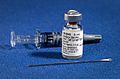
American Heart Association: A vaccine may one day help lower blood pressure for up to six months, according to new research in the American Heart Association’s journal Hypertension. The study in rats may eventually provide a novel alternative to treat
high blood pressure in people, who would not need to take a pill
everyday. “The potential of a vaccine for hypertension offers an innovative
treatment that could be very effective for the control of non-compliance
which is one of the major problems in the management of hypertensive
patients,” said Hironori Nakagami M.D., Ph.D., study co-author and
professor at Osaka University in Japan.
Researchers have designed a DNA vaccine that targets angiotensin
II ― a hormone that raises blood pressure by causing blood vessels to
constrict. This narrowing can increase your blood pressure and force
your heart to work harder.
Friday, May 22, 2015
Drug developed in 1950 for the treatment of Lupus to treat heart rhythm disease
British Heart Foundation: Scientists at the University of Oxford, part
funded by us, are using a drug developed in 1950 for the treatment of
Lupus to lower an abnormally high heart rate in those with heart failure
and high blood pressure. Hydroxychloroquine (HCQ) was created to combat malaria, and was later
found to be useful in the treatment of Lupus and rheumatoid arthritis.
Now, a team at the University of Oxford has found that the drug can also
reduce heart rate. Published today in the journal Heart Rhythm, the treatment has the potential to benefit people with heart failure, high blood pressure, angina and other heart conditions.
Tuesday, May 19, 2015
Reminders Can Increase Adherence To Home Blood Pressure Monitoring
MedicalResearch: Dr. Linnea A. Polgreen, Ph.D. Many patients with hypertension are unaware that they have
hypertension. Furthermore, a substantial number of patients diagnosed
with hypertension are poorly controlled. Unfortunately there is no
point-of-care test to diagnose hypertension. For most patients with
multiple to moderate hypertension, multiple measurements are needed over
time to confirm the diagnosis. This need to obtain multiple measurement
often delays the diagnosis of hypertension, and delays potential for
changes in therapy for those who are diagnosed but poorly controlled.
Patients are routinely reminded to check their blood pressure
measurements at home. However, these measurements often do not occur or
are not collected in a timely fashion. Recently electronic medical
records (EMRs) have built portals for patients to enter data such as
blood pressure measurements, but it is unclear how effective these
portals will be for diagnosing and treating high blood pressure.
Wednesday, April 15, 2015
Eating Out = High Blood Pressure?
Singapore: A recent study on university-going young adults, is the first
ever to show an association between meals eaten away from home and high
blood pressure. These findings highlight lifestyle factors that can
affect hypertension and emphasise the importance of being aware of the
salt and calorie content in food, to facilitate better meal choices when
eating out.
No proof that bad relationships raise blood pressure
NHS: "If you have ever blamed your partner for making your blood boil, a
new study could be the evidence you need to prove it's true," Mail
Online reports. But the association between stress and blood pressure is much less clear-cut than the Mail suggests.
Thursday, April 2, 2015
Night owls more likely to develop diabetes
Scimex: Night owls are more likely to develop diabetes, obesity, hypertension, high cholesterol, and decrease of muscle mass than early risers, even when they get the same amount of
sleep, according to a new study published in the Endocrine Society's Journal of Clinical Endocrinology & Metabolism.
Thursday, March 19, 2015
Hypertension: you can be a hero!
UWS: Study finds people power can lower blood pressure. The world's largest study of diabetes peer support, where one person
with diabetes helps guide others, has shown it can significantly lower
blood pressure in patients with Type 2 diabetes and potentially reduce
their risk of serious complications.
The study of 1,299 people, led by Professor David Simmons, from the University of Western Sydney School of Medicine.
Saturday, February 28, 2015
Global hypertension treatment will save millions of lives
CDC. US: In just 10 years, 10 million heart attacks and strokes could be
averted worldwide by treating just half the people with uncontrolled
hypertension, commonly known as high blood pressure, suggests CDC
Director Tom Frieden, M.D., M.P.H., and colleagues in a Lancet commentary published today.
Subscribe to:
Comments (Atom)


