Georgia State University: When older adults are viewed as cognitively or physically impaired, they perform below their abilities on tasks, according to a recent review article by Sarah Barber, a psychology and gerontology researcher at Georgia State University. Groups who are stigmatized—whether due to race, socioeconomic status or age—perform more poorly when they are faced with negative stereotypes, Barber said. She found expectations of others can play a powerful role in how well older adults perform on cognitive tasks and motor skills such as driving.
Only good, independent and reliable information about health from experts.
Showing posts with label ageing. Show all posts
Friday, March 19, 2021
Friday, July 6, 2018
How eating less can slow the aging process
Brigham Young: There’s
a multi-billion-dollar industry devoted to products that fight signs of
aging, but moisturizers only go skin deep. Aging occurs deeper — at a
cellular level — and scientists have found that eating less can slow
this cellular process. Recent research published in Molecular & Cellular Proteomics
offers one glimpse into how cutting calories impacts aging inside a
cell. The researchers found that when ribosomes — the cell’s protein
makers — slow down, the aging process slows too. The decreased speed
lowers production but gives ribosomes extra time to repair themselves.
Wednesday, May 16, 2018
What if meditation allowed us to age better?

INSERM: And what if meditation enhanced the aging process? This is
suggested by the results of a pilot study, conducted by Inserm
researchers based in Caen and Lyon. 73 individuals, with an average age
of 65 years, underwent brain imaging tests. Among these individuals,
“meditation experts” (with 15,000 to 30,000 hours of meditation to their
name) showed significant differences in certain regions of the brain.
By reducing stress, anxiety, negative emotions and sleep problems, which
tend to become more pronounced with age, meditation could reduce the
harmful effects arising from these factors and have a positive effect on
brain aging. These results have been published in the journal Scientific Reports.
Thursday, May 3, 2018
Offbeat brain rhythms during sleep make older adults forget
Berkeley: Like swinging a tennis racket during a ball toss to serve an ace, slow
and speedy brainwaves during deep sleep must sync up at exactly the
right moment to hit the save button on new memories, according to new UC
Berkeley research. While these brain rhythms, occurring hundreds of times a night, move
in perfect lockstep in young adults, findings published today in the
journal Neuron show that, in old age, slow waves during
non-rapid eye movement (NREM) sleep fail to make timely contact with
speedy electrical bursts known as “spindles.”Wednesday, April 18, 2018
Hitting the Genetic Jackpot. Exceptional aging is a rarity.
Oregon State University: Your environment — including food choices, exercise habits and sun
exposure — contributes the most when it comes to living to an average
age. But it is your genes that determine how likely you are to live to
an exceptional age. “We define exceptional age as the top 1 percent survival rate in a
particular birth year cohort,” says Assistant Professor Harold Bae, who
investigated the role of genes on longevity in a recent study published
in the Journals of Gerontology: Biological Sciences. “For example, in the New England Centenarian Study, the birth year
cohort is 1900. That means that males age 96 and older and females age
100 and older have reached exceptional age.”
Wednesday, March 8, 2017
Scientifically designed fasting diet lowers risks for major diseases
USC: What if you could lose weight and reduce your risk of life-threatening
disease without any changes in what you eat — other than a five-day
special diet once every few months? That’s what happened for 71 adults placed on three cycles of a
low-calorie, “fasting-mimicking” diet. The phase II trial, conducted by
researchers at the USC Leonard Davis School of Gerontology, demonstrated
a host of benefits from the regimen. The diet reduced cardiovascular risk factors, including blood
pressure and signs of inflammation (measured by C-reactive protein
levels), as well as fasting glucose and reduced levels of IGF-1, a
hormone that affects metabolism. It also shrank waistlines and resulted
in weight loss, both in total body fat and trunk fat, but not in muscle
mass.
Thursday, March 2, 2017
Five common myths about the ageing brain and body
TheConversation: The world’s population, and Australia’s, is ageing. The number of adults aged 65 and over is increasing,
as is the proportion of the population they represent. However, there
are a number of myths associated with what happens to our brain and
bodies as we age.
Wednesday, March 1, 2017
Researchers discover link between aging, devastating lung disease
Tuesday, February 28, 2017
Virtual-reality system for the elderly wins health care prize
MIT: Virtual
reality is quickly gaining steam in the gaming industry. But an MIT
startup is now aiming the technology at a different demographic, putting
it to use as a health care tool for the elderly. At last night’s MIT Sloan Healthcare Innovations Prize pitch competition, Rendever
earned the $25,000 grand prize for creating a virtual-reality platform
that gives residents in assisted-living facilities the chance to explore
the world virtually. The platform also provides cognitive therapy and
tracks movement data to aid in early diagnosis of dementia.
Monday, February 27, 2017
“Late-life” genes activated by biological clock to help protect against stress, aging
Oregon: Researchers at Oregon State University have discovered that a subset
of genes involved in daily circadian rhythms, or the “biological clock,”
only become active late in life or during periods of intense stress
when they are most needed to help protect critical life functions. The findings, made in research done with fruit flies and published
today in Nature Communications, are part of a unique stress response
mechanism that was previously unknown.
Tuesday, February 21, 2017
'Anti-ageing' hormone could unlock new treatments for kidney and heart disease
London: A new study by researchers at King’s College London has found that
patients with diabetes suffering from the early stages of kidney disease
have a deficiency of the protective ‘anti-ageing’ hormone, Klotho. The study, published today in Diabetologia (the
journal of the European Association for the Study of Diabetes [EASD]),
suggests that Klotho may play a significant role in the development of
kidney disease, which is often prevalent in patients with diabetes. This could mean that Klotho levels have the potential to be used as a
risk marker to predict kidney disease, as well as being a target for
developing new treatments to prevent kidney disease in patients with
type 1 diabetes.
Wednesday, January 18, 2017
'Working memory' decline in normal aging linked to loss of specific receptor
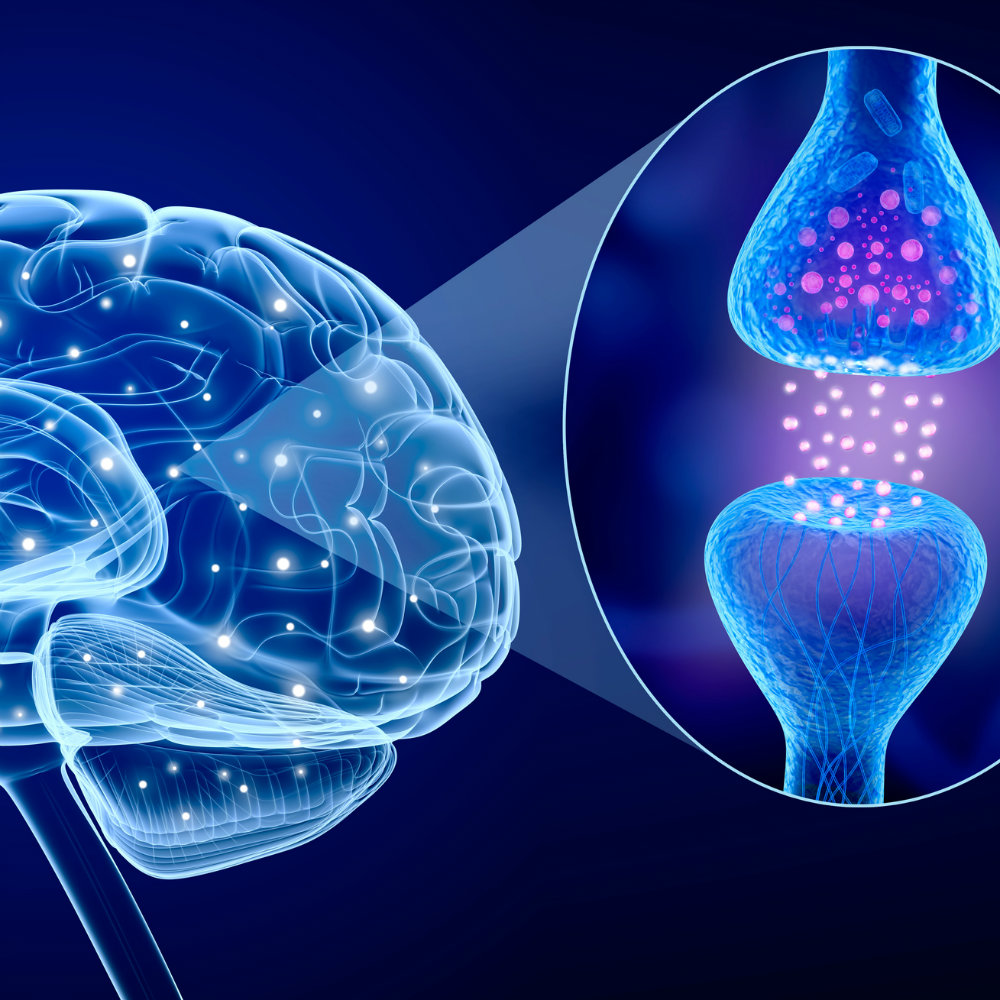
University of Florida researchers have identified a subtype of a
specific receptor in the brain that is critical for “working memory,” or
the ability to hold information in mind for a short time — an ability
that often diminishes with normal aging. In a new study published this
week in The Journal of Neuroscience, the UF team details how the loss of
that specific receptor predicts the severity of working-memory
impairment due to aging. The researchers further found they could use a drug to positively
affect those receptors to enhance working memory in aged rats with
cognitive decline. The findings suggest a potential future pathway for
drug treatment to target those receptors and improve working memory in
humans.
Older adults with arthritis need just 45 minutes of activity per week
Northwestern: Older adults who suffer from arthritis need to keep moving to be functionally independent. But in an examination of a goal that is daunting for most of this aging population, a new Northwestern Medicine study found that performing even a third of the recommended activity is beneficial.
Federal guidelines suggest achieving 150 minutes of moderate activity per week to prevent premature death and serious illness, however only one in 10 older American adults with arthritis in their knees meet these guidelines. Northwestern Medicine researchers wanted to determine a less overwhelming activity goal to get this population up and moving, and 45 minutes per week was that magic number.
Approximately one third of participants improved or had high function after two years. But those participants who achieved this minimum of 45 minutes of moderate activity, such as brisk walking, per week were 80 percent more likely to improve or sustain high future function over two years compared with those doing less. This finding was true for both men and women.
Tuesday, January 17, 2017
Dementia is developing in a smaller proportion of older Americans over time
Ann Arbor: In a hopeful sign for the health of the nation’s brains, the
percentage of American seniors with dementia is dropping, a new study
finds: “A Comparison of the Prevalence of Dementia in the United States in 2000 and 2012” in JAMA Internal Medicine. The
downward trend has emerged despite something else the study shows: a
rising tide of three factors that are thought to raise dementia risk by
interfering with brain blood flow, namely diabetes, high blood pressure
and obesity. Those with the most years of education had the
lowest chances of developing dementia, according to the findings. This
may help explain the larger trend, because today’s seniors are more
likely to have at least a high school diploma than those in the same age
range a decade ago.
Study links nutrition to brain health and intelligence in older adults
Illinois: A study of older adults links consumption of a pigment found in leafy
greens to the preservation of “crystallized intelligence,” the ability
to use the skills and knowledge one has acquired over a lifetime.
The study is reported in the journal Frontiers in Aging Neuroscience. Lutein (LOO-teen) is one of several plant pigments that humans acquire through the diet, primarily by eating leafy green vegetables, cruciferous vegetables such as broccoli, or egg yolks, said University of Illinois graduate student Marta Zamroziewicz, who led the study with Illinois psychology professor Aron Barbey. Lutein accumulates in the brain, embedding in cell membranes, where it likely plays “a neuroprotective role,” she said.
Tuesday, January 3, 2017
Genes that make mice youthful
Nature: Four genes that reprogram adult cells into embryonic-like stem cells can also reverse some signs of ageing. The
four genes encode Yamanaka factors, which are essential for embryonic
development, but usually cause tumours when expressed long-term in
animals. Juan Carlos Izpisua Belmonte at the Salk Institute in La Jolla,
California, and his colleagues switched the genes on for two days per
week over several weeks in mice that had an ageing disorder called
progeria. The animals lived about 30% longer,
and showed improvements in tissue healing and other signs of ageing,
such as organ failure. In normal aged mice, switching on the genes led
to improved recovery from muscle injury and to other signs of
youthfulness. The mice did not develop cancer.
The authors link the rejuvenation to epigenetic remodelling — changes in the chemical marks on DNA that do not alter its sequence but influence gene expression.
Wednesday, December 21, 2016
Why sex gets better in older age
TheConversation: Aging is generally associated with improvements in our quality of life:
We become more proficient in our work, learn how to manage our finances
better and our bonds with loved ones deepen. With time and practice,
most of the core domains of our lives improve as we develop skills and
strategies to manage our lives with more mastery. An exception to this
pattern is the quality of our sex lives, which has consistently been reported to deteriorate with age.
Wednesday, December 14, 2016
Being merry in your old age could help you live longer
Scimex: Sustained enjoyment of life over several years in older age is
associated with lower mortality, finds a study in the Christmas issue of
The BMJ. The longer an individual reports enjoying life, the lower their risk of death, the findings show. Previous
studies have shown that subjective wellbeing (feelings of enjoyment and
satisfaction with life) is associated with greater longevity, but they
measured wellbeing on a single occasion, and the importance of sustained
wellbeing is not known.
Friday, November 18, 2016
Does vitamin D cut lung infection risk in older adults?
NHS: "Why you should take vitamin D as you get older: High doses reduce
the risk of respiratory illnesses by 40%," the Mail Online reports. Researchers in Colorado investigated whether a high dose of vitamin D
in older adults living in long term care facilities could reduce their
risk of acute respiratory (lung) infections, such as pneumonia.
Tuesday, November 15, 2016
Biological vs chronological age: how old are you really?
TheConversation: Researchers are developing tests to calculate your true
biological age. They claim that such tests can measure how well your
body is coping with the rigours of life. But how accurate are these
tests and could they somehow be used to predict your future health? Ageing has long been considered an inevitable consequence of life.
However, recent scientific advances have revealed that the physical
decline associated with growing old is caused by an underlying biological process, influenced by both genetic and environmental factors. And if ageing is governed by biology then it is amenable to manipulation.
Subscribe to:
Comments (Atom)


