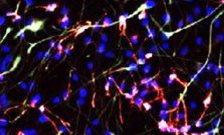
London: Research from King’s College London reveals a new method of
repurposing existing drugs as novel treatments for depression, using
laboratory studies of brain cells. The results reflect a growing movement towards repurposing drugs that
have been developed for one condition to tackle another. This approach
effectively bypasses the discovery phase of drug development, which
could save significant time and money in finding effective treatments. Finding ways to fast-track the discovery of new antidepressants is
crucial as around half of all people diagnosed with depression do not
respond to first-line treatments.
Only good, independent and reliable information about health from experts.
Showing posts with label big data. Show all posts
Tuesday, February 21, 2017
Sunday, January 22, 2017
How is big data used in healthcare?
Philadelphia: Big Data. We’ve all heard the term, but many of us may not fully
understand the concept or all the its many layers. Some still think
it’s a trendy buzzword thrown around by twenty-something executives in
Silicon Valley working on the latest gaming system or website. But the
reality is big data is literally everywhere, and it’s not just a thing,
it’s also an action. Big data is gathering right now, all the time: As your mouse hovers
over this webpage, when you receive book or movie recommendations from
Amazon and Hulu, as you share files via DropBox or WeTransfer, and even
when physicians are caring for their patients – as detailed a recent Wall Street Journal piece.
Friday, January 6, 2017
How can research on big data improve diabetes therapy?
Karolinska Institute: “As the incidence of type 2 diabetes rises around the world,
we need to find new strategies for understanding, preventing and
treating this serious, chronic disease,” says conference co-arranger
Professor
Anna Krook at Karolinska Institutet’s Department of
Physiology and Pharmacology. “Large data sets, or Big Data, can help us
understand how genes and environment interact,
giving rise to possibilities for personalised intervention strategies
.”
Most people who develop
type 2 diabetes are never cured
and have to live with chronic type 2 diabetes.
Prediabetes is a precursor of diabetes found in many people before the
diagnosis and as we will hear from Steven E. Kahn from the University of
Washington, USA, early intervention can prevent its development into
full-blown diabetes.
Friday, May 29, 2015
When data is the best medicine
Ann Arbor: One of the biggest challenges in health care is balancing cost with
patient needs. Compounding the problem is a lack of good data and
analysis. But Wally Hopp and Jun Li, Prs at the University of Michigan Ross School of Business, are trying to change that. They applied cost-benefit analyses common in operations management to
surgery outcomes. One of their first findings, which studied mitral
valve surgery, can help patients and health insurers find better options
and save money.
Tuesday, April 7, 2015
UK biobank: when big data is at the service of humanity's health
UK Biobank is a major national health resource, and a registered charity
in its own right, with the aim of improving the prevention, diagnosis
and treatment of a wide range of serious and life-threatening illnesses –
including cancer, heart diseases, stroke, diabetes, arthritis,
osteoporosis, eye disorders, depression and forms of dementia. UK
Biobank recruited 500,000 people aged between 40-69 years in 2006-2010
from across the country to take part in this project. They have
undergone measures, provided blood, urine and saliva samples for future
analysis, detailed information about themselves and agreed to have their
health followed. Over many years this will build into a powerful
resource to help scientists discover why some people develop particular
diseases and others do not.
Tuesday, March 24, 2015
Encrypted analysis of data in the cloud would allow personalized medicine
Nature: The dream for
tomorrow’s medicine is to understand the links between DNA and disease —
and to tailor therapies accordingly. But scientists working to realize
such ‘personalized’ or ‘precision’ medicine have a problem: how to keep
genetic data and medical records secure while still enabling the
massive, cloud-based analyses needed to make meaningful associations.
Now, tests of an emerging form of data encryption suggest that the
dilemma can be solved.
Big data research to defeat dementia
A UNSW research initiative that will harness 'big data' to defeat
dementia has received backing from the big end of town, raising hopes
for more understanding of the disease. “By pooling data we can create ‘big data sets’ that produce more
robust statistical models involving multiple risk factors and more
precise estimates than can be reliably obtained from individual cohort
studies,” says Sachdev.
Subscribe to:
Posts (Atom)
