
Showing posts with label probiotics. Show all posts
Showing posts with label probiotics. Show all posts
Wednesday, April 18, 2018
Gut bacteria and human cells are linked in a social network
Saturday, April 22, 2017
Allergies? Probiotic combination may curb your symptoms, new study finds
Florida: As we head into allergy season, you may feel less likely to grab a hanky and sneeze. That’s because new University of Florida research shows a probiotic combination might help reduce hay fever symptoms, if it’s taken during allergy season. Many published studies have shown a probiotic’s ability to regulate the body’s immune response to allergies, but not all of the probiotics show a benefit, UF researchers say. “Not all probiotics work for allergies. This one did,” said Jennifer Dennis, a doctoral student in the UF food science and human nutrition department in UF’s Institute of Food and Agricultural Sciences and first author on the latest study. Scientists already know that the probiotic combination of lactobacilli and bifidobacteria, sold as Kyo-Dophilus in stores, helps maintain digestive health and parts of the immune system.
Wednesday, April 12, 2017
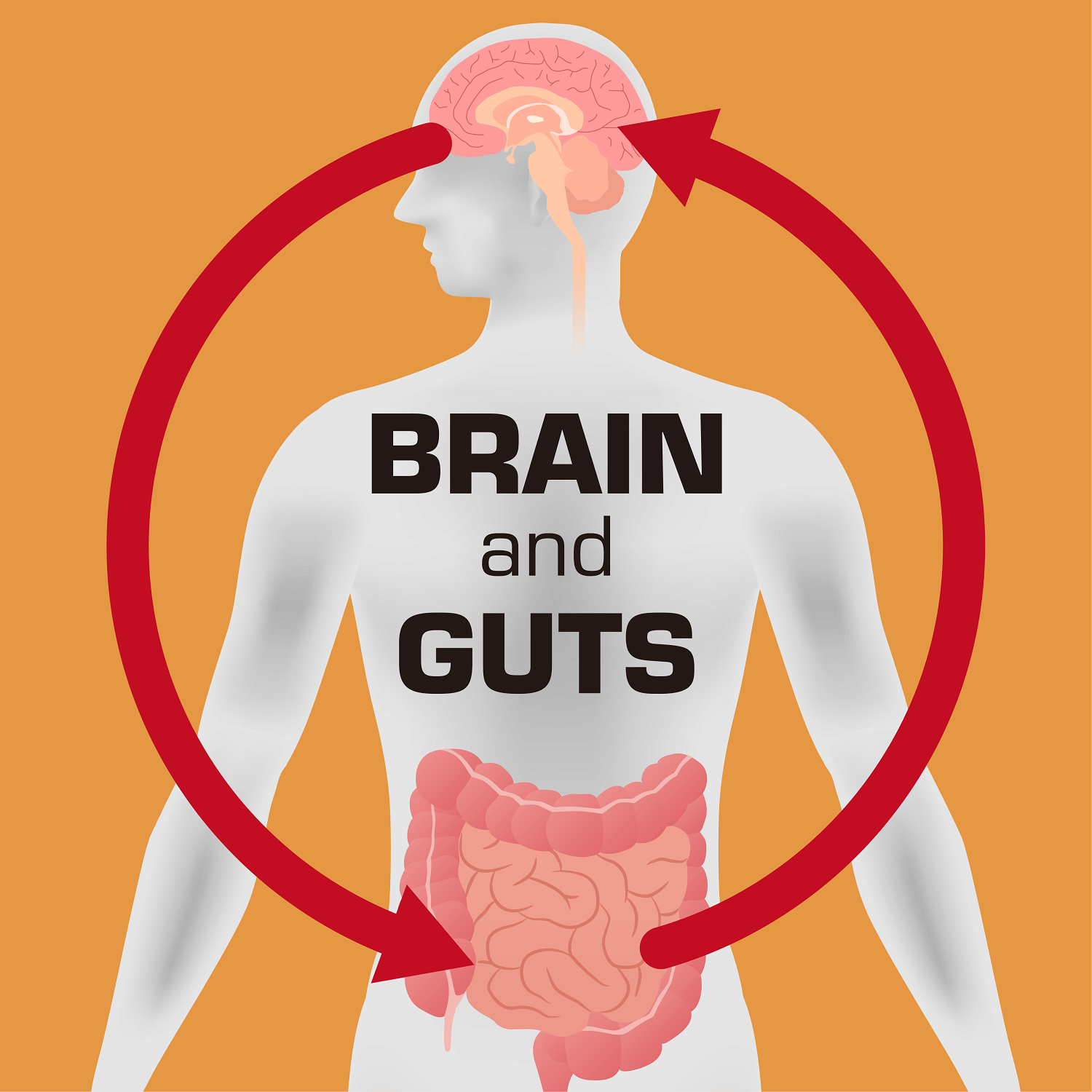
Probiotics Benefit in Schizophrenia Shaped by Yeast Infections
Monday, November 14, 2016
Probiotics 'aid memory in people with Alzheimer's disease'

Wednesday, June 10, 2015
Programming probiotics for early detection of liver cancer
UCSD: Scientists at the University of California, San Diego and the
Massachusetts Institute of Technology (MIT) have described a new method
for detecting liver cancer metastases in mice. The approach uses
over-the-counter probiotics genetically programmed to produce signals
easily detectable in urine when liver cancer metastases are present. The
results of the new study, published in the May 27 issue of Science
Translational Medicine, indicate that genetically-programmed probiotics
may be useful for detecting liver cancer metastases early-on in the
progression of the disease.
Decades of research yield natural dairy thickener with probiotic potential

Tuesday, May 26, 2015
Study shows probiotics may help ease allergies
Wednesday, February 4, 2015
Probiotics to prevent upper respiratory tract infections
Cochrane: With the increasing consumption of probiotics (live micro-organisms), we carried out a review on the effects of probiotics in helping people (without immunodeficiencies) to avoid acute upper respiratory tract infections (URTIs), for example, the common cold, compared to placebo.
Monday, January 5, 2015
Can Probiotics Keep Gastrointestinal System Healthy?
Tufts University. US: Many advertisements and Internet
postings say probiotics are effective for
treating asthma, dermatitis and irritable
bowel syndrome.
At best, there is marginal evidence that probiotics help these conditions.
Where they have been convincingly shown to be beneficial is in the treatment or prevention of certain kinds of diarrhea and other, less-common illnesses.
Rotavirus is the most common cause of diarrhea in infants and children. Probiotics will significantly lower the risk of getting the “gastrointestinal flu” because of this virus and other similar organisms. And if a child does get sick, the illness will be less severe if you administer probiotics.
At best, there is marginal evidence that probiotics help these conditions.
Where they have been convincingly shown to be beneficial is in the treatment or prevention of certain kinds of diarrhea and other, less-common illnesses.
Rotavirus is the most common cause of diarrhea in infants and children. Probiotics will significantly lower the risk of getting the “gastrointestinal flu” because of this virus and other similar organisms. And if a child does get sick, the illness will be less severe if you administer probiotics.
Subscribe to:
Comments (Atom)