NIH. US: The Institute of Medicine (2011) has identified chronic pain as a U.S. societal problem of enormous impact. It affects about 100 million adults and has an estimated annual cost of $635 billion, including for direct medical expenditures and loss of work productivity.
Saturday, December 27, 2014
Friday, December 26, 2014
“Centers Without Walls” to study sudden unexpected death in epilepsy
NIH. US: Projects build a virtual center for research on death associated with epilepsySeizures are common, affecting almost 1 in 20 people. Each year, sudden unexpected death in epilepsy (SUDEP) occurs in 1 out of 1000 people with epilepsy, often in people between 20 to 40 years old. SUDEP refers to deaths with no known causes in individuals with epilepsy; there are no strategies for preventing it.
Blood cancers could come from early mutations in life
Cancers arise from multiple acquired mutations, which presumably occur over many years. Early stages in cancer development might be present years before cancers become clinically apparent, according to a new study published in the New England Journal of Medicine.
Data where analysed from 12,380 persons blood cells DNA. Some types of mutations (permanent changes of the genes) were observed in 10% of persons older than 65 years of age but in only 1% of those younger than 50 years of age. Approximately 42% of hematologic cancers in this cohort arose in persons who had that mutations at the time of DNA sampling, more than 6 months before a first diagnosis of cancer. Analysis of bone marrow–biopsy specimens obtained from two patients at the time of diagnosis of acute myeloid leukemia revealed that their cancers arose from the earlier clones. A subset of the genes that are mutated in patients with myeloid (bone marrow) cancers is frequently mutated in apparently healthy persons; these mutations may represent characteristic early events in the development of hematologic cancers.
Data where analysed from 12,380 persons blood cells DNA. Some types of mutations (permanent changes of the genes) were observed in 10% of persons older than 65 years of age but in only 1% of those younger than 50 years of age. Approximately 42% of hematologic cancers in this cohort arose in persons who had that mutations at the time of DNA sampling, more than 6 months before a first diagnosis of cancer. Analysis of bone marrow–biopsy specimens obtained from two patients at the time of diagnosis of acute myeloid leukemia revealed that their cancers arose from the earlier clones. A subset of the genes that are mutated in patients with myeloid (bone marrow) cancers is frequently mutated in apparently healthy persons; these mutations may represent characteristic early events in the development of hematologic cancers.
Drug found to help repair spinal cord injuries
NHS: A new drug could help people with spinal cord injuries, from a study in rats.
This hope is due to the possibility of developing a new drug based on a molecule called intracellular sigma peptide. The drug helped restore varying degrees of nerve functions in rats that had spinal cord injuries.
This hope is due to the possibility of developing a new drug based on a molecule called intracellular sigma peptide. The drug helped restore varying degrees of nerve functions in rats that had spinal cord injuries.
Nitrate-rich foods

Nitrate-rich vegetables include:
- lettuce
- beets
- carrots
- green beans
- spinach
- parsley
- cabbage
- radishes
- celery
- collard greens
Do time-restricted eating habits reduce obesity?
NHS. UK: “Want to lose weight? Eat all your food in an eight-hour time frame – and never snack at night,” reports the Mail Online.
However, these tips are based on a mouse study – no humans were involved.Nearly 400 mice were studied in a series of experiments for up to 26 weeks. Sets of mice were given unrestricted 24-hour access to high-fat food, high-fat and high-sugar food or low-fat, high-fruit sugar foods. Their weight gain was compared to mice given the same types of food, but restricted to 9, 12, or 15 hours per day.
Mice ate the same number of calories per day irrespective of the number of hours they had access. All mice on high-fat or high-fat and high-sugar diets gained a large amount of weight regardless of access timescales. However, those with time-restricted access gained less weight.
The current stage of this research has limited application for people. We already know that high-fat and high-sugar diets cause weight gain, as was found here. It may be that future randomised controlled trials in humans will show that the amount of weight gain is more if the calories are consumed at times which do not make the most of our natural metabolic rhythm. However, despite the continued quest to “have your cake and eat it”, at present the best advice to combat obesity is to eat a balanced diet and to take regular exercise.
The study was published in the peer-reviewed medical journal Cell Metabolism.
BBC News reported the story accurately; however, the Mail Online’s report was misleading. Its headline implies this study was conducted on humans, when it was only on mice. It also says that people should stop “eating after 4pm”. The restricted feeding times used in this study were for mice with nocturnal eating habits. There is no evidence from this study that weight gain would be avoided in people if we stopped eating at 4pm.
Obesity rates are increasing at an alarming rate and traditional methods of weight control – such as calorie restriction, change in diet and increase in exercise – are hard for many people to adhere to.
A person’s metabolic rhythm changes over the course of the day. Previous research has shown that this rhythm is heavily dependent on eating at the same time each day. Therefore, the researchers wanted to see if sticking to the optimal time of eating within this rhythm would prevent weight gain. They called this time-restricted feeding (TRF). As this study was conducted on mice, the optimal nine-hour feeding time was chosen to be during the night.
Research such as this is a good starting point for understanding the biological processes within an animal’s body, and seeing what can influence this, but we don’t know that the results will be directly applicable to people.
As the researchers conclude, a randomised controlled trial in people would be required.
The mice were given free access to food 24 hours a day or TRF for either 9, 12 or 15 hours overnight. Some mice were switched from one type of access to the other.
The mice were given one of the following types of diets:
Mice fed a low-fat, high-fructose diet had a 6% weight gain in both feeding situations over 12 weeks, which was similar to control mice fed a normal chow diet.
Mice fed a high-fat diet for 13 weeks using TRF and then given 24-hour access for 12 weeks, rapidly gained weight after switching so that they gained the same amount of weight as mice with unrestricted access for the whole 15 weeks (111% to 112% body weight). A control set who had TRF for the 25 weeks gained 51% body weight.
In mice with pre-existing dietary-induced obesity from having 24-hour access to a high-fat diet, switching to TRF caused them to consume the same number of calories within a few days. However, they lost weight:
The current stage of this research means it has limited application for humans. We already know that high-fat and high-sugar diets cause weight gain, as was found here. It may be that future randomised controlled trials in humans will show that the amount of weight gain is more if the calories are consumed at times that do not make the most of our natural metabolic rhythm.
Even if the timing of eating patterns do have an effect on weight gain, we suspect that any beneficial effects would be modest. If you regularly consume high-fat and high-sugar foods, and do not exercise, you will put on weight regardless of any time-restricted eating habits. Sadly, there is no quick fix to weight loss.
Analysis by Bazian. Edited by NHS Choices. Follow Behind the Headlines on Twitter. Join the Healthy Evidence forum.
However, these tips are based on a mouse study – no humans were involved.Nearly 400 mice were studied in a series of experiments for up to 26 weeks. Sets of mice were given unrestricted 24-hour access to high-fat food, high-fat and high-sugar food or low-fat, high-fruit sugar foods. Their weight gain was compared to mice given the same types of food, but restricted to 9, 12, or 15 hours per day.
Mice ate the same number of calories per day irrespective of the number of hours they had access. All mice on high-fat or high-fat and high-sugar diets gained a large amount of weight regardless of access timescales. However, those with time-restricted access gained less weight.
The current stage of this research has limited application for people. We already know that high-fat and high-sugar diets cause weight gain, as was found here. It may be that future randomised controlled trials in humans will show that the amount of weight gain is more if the calories are consumed at times which do not make the most of our natural metabolic rhythm. However, despite the continued quest to “have your cake and eat it”, at present the best advice to combat obesity is to eat a balanced diet and to take regular exercise.
Where did the story come from?
The study was carried out by researchers from the Salk Institute for Biological Studies in La Jolla and the University of California. It was funded by the US National Institutes for Health, grants from the American Federation for Aging Research, Leona M and Harry B Helmsley Charitable Trust, the Glenn Center for Aging, the American Diabetes Association, the Philippe Foundation and the American Association for the Study of Liver Diseases.The study was published in the peer-reviewed medical journal Cell Metabolism.
BBC News reported the story accurately; however, the Mail Online’s report was misleading. Its headline implies this study was conducted on humans, when it was only on mice. It also says that people should stop “eating after 4pm”. The restricted feeding times used in this study were for mice with nocturnal eating habits. There is no evidence from this study that weight gain would be avoided in people if we stopped eating at 4pm.
What kind of research was this?
This was a piece of animal research that aimed to look at whether restricting the timing of feeding could prevent weight gain or cause weight reduction in obese mice.Obesity rates are increasing at an alarming rate and traditional methods of weight control – such as calorie restriction, change in diet and increase in exercise – are hard for many people to adhere to.
A person’s metabolic rhythm changes over the course of the day. Previous research has shown that this rhythm is heavily dependent on eating at the same time each day. Therefore, the researchers wanted to see if sticking to the optimal time of eating within this rhythm would prevent weight gain. They called this time-restricted feeding (TRF). As this study was conducted on mice, the optimal nine-hour feeding time was chosen to be during the night.
Research such as this is a good starting point for understanding the biological processes within an animal’s body, and seeing what can influence this, but we don’t know that the results will be directly applicable to people.
As the researchers conclude, a randomised controlled trial in people would be required.
What did the research involve?
The researchers used 392 male wild-type mice aged 12 weeks for a series of experiments lasting up to 26 weeks.The mice were given free access to food 24 hours a day or TRF for either 9, 12 or 15 hours overnight. Some mice were switched from one type of access to the other.
The mice were given one of the following types of diets:
- high-fat (32%), high-sucrose (25% table sugar) diet
- high-fat (62%) diet
- low-fat (13%) and fructose (60% fruit sugar) diet
- normal chow diet
What were the basic results?
Mice fed a high-fat, high-sucrose diet for 12 weeks gained at least a fifth of their body weight. Weight gain doubled if they could eat at any time, despite eating the same number of calories:- 9 hours of access caused 21% weight gain
- 24-hour access caused 42% weight gain
- 9-hour access caused 26% weight gain
- 15-hour access caused 43% weight gain
- 24-hour access caused 65% weight gain
Mice fed a low-fat, high-fructose diet had a 6% weight gain in both feeding situations over 12 weeks, which was similar to control mice fed a normal chow diet.
Mice fed a high-fat diet for 13 weeks using TRF and then given 24-hour access for 12 weeks, rapidly gained weight after switching so that they gained the same amount of weight as mice with unrestricted access for the whole 15 weeks (111% to 112% body weight). A control set who had TRF for the 25 weeks gained 51% body weight.
In mice with pre-existing dietary-induced obesity from having 24-hour access to a high-fat diet, switching to TRF caused them to consume the same number of calories within a few days. However, they lost weight:
- switching from 13 weeks of unrestricted access to 12 weeks TRF caused a drop in weight from 40g to 38g (5% body weight loss)
- switching from 26 weeks of unrestricted access to 12 weeks TRF caused a drop in weight from 53.7g to 47.5g (12% body weight loss)
How did the researchers interpret the results?
The researchers concluded that these “results highlight the great potential for TRF (time-restricted feeding) in counteracting human obesity and its associated metabolic disorders”. They believe “it is worth investigating whether the physiological observations found in mice apply to humans” and say that “a large-scale randomised control trial investigating the role of TRF would show whether it is applicable to humans”.Conclusion
Time-restricted feeding caused less weight gain than all-hour access for mice eating a high-fat, high-sugar diet over 12 to 26 weeks. It also led to weight loss of up to 12% when applied to mice that were already obese. TRF does not appear to have an influence on weight gain for mice eating a healthy or normal diet.The current stage of this research means it has limited application for humans. We already know that high-fat and high-sugar diets cause weight gain, as was found here. It may be that future randomised controlled trials in humans will show that the amount of weight gain is more if the calories are consumed at times that do not make the most of our natural metabolic rhythm.
Even if the timing of eating patterns do have an effect on weight gain, we suspect that any beneficial effects would be modest. If you regularly consume high-fat and high-sugar foods, and do not exercise, you will put on weight regardless of any time-restricted eating habits. Sadly, there is no quick fix to weight loss.
Analysis by Bazian. Edited by NHS Choices. Follow Behind the Headlines on Twitter. Join the Healthy Evidence forum.
Nitrate-rich leafy greens 'good for the heart'
NHS. UK: “Leafy vegetables contain chemical nitrate that improves heart health,” the Mail Online reports. In a recent study, researchers looked at the effects of a nitrate-rich diet on rats.
Nitrate is a chemical that can react to a number of different substances in a range of ways. For example, it can be used as a fertiliser or as the active ingredient in a bomb. Some nitrates are used as medication for angina, as they dilate the blood vessels.
This study found that rats given nitrate had lower levels of red blood cells (which carry oxygen) compared to a control group. This was associated with a reduction in the hormone erythropoietin (EPO), which regulates red blood cells.
Excessive amounts of red blood cells (polycythaemia) can sometimes trigger blood clots.
Blood clots can sometimes lead to serious complications, such as a stroke.
This study found that increasing nitrate in your diet stops low oxygen levels causing the over-production of EPO. The increased nitrate optimises the production of EPO from the liver and kidneys, which in turn reduces the blood’s thickness, but without compromising oxygen supply.
While the study involved rats not people, it’s always a good idea to eat up your greens. They contain a number of nutrients thought to help prevent cancer and heart disease.
The study was published in the peer-reviewed Journal of the Federation of American Societies for Experimental Biology.
The reporting in the Mail Online and the Daily Express appears to be based on a press release that combined the findings of three related studies on nitrates:
EPO is responsible for regulating red blood cells in mammals, to meet the need for oxygen. In conditions of severe oxygen shortage, such as during critical illness and at high altitude, EPO increases, stimulating the production of more oxygen-carrying red blood cells.
While red blood cells are needed to supply enough oxygen, they can also lead to an increase in the blood’s “viscosity” or thickness, which may impair blood flow, as happens in chronic obstructive pulmonary disease, preventing it from flowing through small blood vessels in the lungs.
There is also the risk of a blood clot developing, which can lead to serious complications, such as a heart attack, stroke or pulmonary embolism.
A balance therefore needs to be met to get the optimum number of red blood cells and oxygen around the body.
Nitrate has already been shown to have beneficial effects on the heart and circulation. Here, the researchers wanted to test the theory that dietary nitrate might limit rises in the red blood cells needed for oxygen delivery by improving the efficiency of the body’s use of oxygen.
The first involved 40 rats. Half of them had nitrate added to their drinking water, while the other half acted as a control group with no supplementation. After four days, both groups were put in a chamber of low oxygen (12% rather than normal air, which is 21%). They continued to have either nitrate supplement or no supplement for 14 days.
The researchers compared their food and water intake, any change in body weight and plasma nitrate and haemoglobin (oxygen carrying component of red blood cells) levels in normal air and in low oxygen.
The second study aimed to see how fast and at what concentration the nitrate made changes to the haemoglobin levels. 24 rats were kept in normal oxygen conditions. After 12 days, half the group had their water supplemented with 0.7mm of nitrate. They measured the haemoglobin level in the blood after 0, 2, 4, 6, 9 and 12 days.
They found that these rats also had lower levels of EPO. They say this suggests that the effects of nitrate were mediated via changes in EPO production.
The researchers found that nitrates reduced the amount of EPO released by the liver, but increased the amount released by the kidneys. They report that this balance meant that the nitrates were able to help the body produce the optimum minimum amount of haemoglobin that they required.
Nitrate supplementation did not alter the amount of food or water intake of the rats, or on their weight or growth.
They point out that nitrate levels used are readily achievable in humans via the diet, through eating green leafy vegetables.
In an accompanying press release, co-author Professor Martin Feelisch, from the University of Southampton, said: "These findings suggest simple dietary changes may offer treatments for people suffering from heart and blood vessel diseases that cause too many red blood cells to be produced. It is also exciting as it may have broader implications in sport science, and could aid recovery of patients in intensive care by helping us understand how oxygen can be delivered to our cells more efficiently."
A healthy diet – including plenty of vegetables – and regular exercise are important for a healthy heart and weight.
Analysis by Bazian. Edited by NHS Choices. Follow Behind the Headlines on Twitter. Join the Healthy Evidence forum.
Nitrate is a chemical that can react to a number of different substances in a range of ways. For example, it can be used as a fertiliser or as the active ingredient in a bomb. Some nitrates are used as medication for angina, as they dilate the blood vessels.
This study found that rats given nitrate had lower levels of red blood cells (which carry oxygen) compared to a control group. This was associated with a reduction in the hormone erythropoietin (EPO), which regulates red blood cells.
Excessive amounts of red blood cells (polycythaemia) can sometimes trigger blood clots.
Blood clots can sometimes lead to serious complications, such as a stroke.
This study found that increasing nitrate in your diet stops low oxygen levels causing the over-production of EPO. The increased nitrate optimises the production of EPO from the liver and kidneys, which in turn reduces the blood’s thickness, but without compromising oxygen supply.
While the study involved rats not people, it’s always a good idea to eat up your greens. They contain a number of nutrients thought to help prevent cancer and heart disease.
Where did the story come from?
The study was carried out by researchers from the Universities of Cambridge and Southampton. It was funded by the British Heart Foundation, the Research Councils UK, the WYNG Foundation of Hong Kong, the European Union Framework 7 Inheritance project, the Wellcome Trust and the University of Southampton.The study was published in the peer-reviewed Journal of the Federation of American Societies for Experimental Biology.
The reporting in the Mail Online and the Daily Express appears to be based on a press release that combined the findings of three related studies on nitrates:
- The study we are analysing today (we chose this, as it is the most recent research).
- A study on the effects that nitrates have on how efficient the heart is in pumping blood around the body.
- A study into whether nitrates could have a protective effect against obesity and type 2 diabetes.
What kind of research was this?
This was a laboratory study, which looked at the effect of nitrate supplementation on the red blood cells of rats.EPO is responsible for regulating red blood cells in mammals, to meet the need for oxygen. In conditions of severe oxygen shortage, such as during critical illness and at high altitude, EPO increases, stimulating the production of more oxygen-carrying red blood cells.
While red blood cells are needed to supply enough oxygen, they can also lead to an increase in the blood’s “viscosity” or thickness, which may impair blood flow, as happens in chronic obstructive pulmonary disease, preventing it from flowing through small blood vessels in the lungs.
There is also the risk of a blood clot developing, which can lead to serious complications, such as a heart attack, stroke or pulmonary embolism.
A balance therefore needs to be met to get the optimum number of red blood cells and oxygen around the body.
Nitrate has already been shown to have beneficial effects on the heart and circulation. Here, the researchers wanted to test the theory that dietary nitrate might limit rises in the red blood cells needed for oxygen delivery by improving the efficiency of the body’s use of oxygen.
What did the research involve?
Two rat studies were performed to assess the effect of dietary supplementation with nitrates.The first involved 40 rats. Half of them had nitrate added to their drinking water, while the other half acted as a control group with no supplementation. After four days, both groups were put in a chamber of low oxygen (12% rather than normal air, which is 21%). They continued to have either nitrate supplement or no supplement for 14 days.
The researchers compared their food and water intake, any change in body weight and plasma nitrate and haemoglobin (oxygen carrying component of red blood cells) levels in normal air and in low oxygen.
The second study aimed to see how fast and at what concentration the nitrate made changes to the haemoglobin levels. 24 rats were kept in normal oxygen conditions. After 12 days, half the group had their water supplemented with 0.7mm of nitrate. They measured the haemoglobin level in the blood after 0, 2, 4, 6, 9 and 12 days.
What were the basic results?
The researchers report that in both experiments rats given nitrate had lower concentrations of red blood cells in normal and low oxygen conditions compared with control groups.They found that these rats also had lower levels of EPO. They say this suggests that the effects of nitrate were mediated via changes in EPO production.
The researchers found that nitrates reduced the amount of EPO released by the liver, but increased the amount released by the kidneys. They report that this balance meant that the nitrates were able to help the body produce the optimum minimum amount of haemoglobin that they required.
Nitrate supplementation did not alter the amount of food or water intake of the rats, or on their weight or growth.
How did the researchers interpret the results?
They conclude that nitrate acts to suppress the production of EPO by the liver, thereby lowering circulating red blood cells. Nitrate prevented an expected rise in circulating red blood cells in rats deprived of oxygen and also decreased red blood cells in rats with a normal oxygen supply.They point out that nitrate levels used are readily achievable in humans via the diet, through eating green leafy vegetables.
In an accompanying press release, co-author Professor Martin Feelisch, from the University of Southampton, said: "These findings suggest simple dietary changes may offer treatments for people suffering from heart and blood vessel diseases that cause too many red blood cells to be produced. It is also exciting as it may have broader implications in sport science, and could aid recovery of patients in intensive care by helping us understand how oxygen can be delivered to our cells more efficiently."
Conclusion
It’s always a good idea to eat up your greens. This research suggests that one possible benefit is through the mechanism of nitrate “thinning” the blood and protecting against heart disease. While the research is interesting, it’s a pity that no one thought to mention that this was a laboratory study on rats. It is important to remember that high levels of nitrates can be toxic, which is why there are safety limits for the level of nitrates in drinking water. High nitrate levels are especially harmful for infants.A healthy diet – including plenty of vegetables – and regular exercise are important for a healthy heart and weight.
Analysis by Bazian. Edited by NHS Choices. Follow Behind the Headlines on Twitter. Join the Healthy Evidence forum.
Robots can assist people with disabilities
NIH: Robots interact with patients to help in rehabilitation and movement. New research in robotics might help with stroke rehabilitation, guide wheelchairs, and assist children with Autism Spectrum Disorder.
This is the third year NIH has participated in the Interagency National Robotics Initiative (NRI) to support research to develop innovative co-robots — robots that work cooperatively with people. Other participants are the National Science Foundation, the National Aeronautics and Space Administration, and the U.S. Department of Agriculture. Funding for these projects totals approximately $2.3 million over the next five years, subject to the availability of funds.
“Technology is becoming more and more adaptable in all areas of our life, from GPS in cars to speech recognition technology on smart phones,” said Grace Peng, Ph.D., program director of Rehabilitation Engineering at the National Institute of Biomedical Imaging and Bioengineering (NIBIB). “With these awards, we hope to encourage robotics researchers to think of new ways to apply their technology in the realm of health care.”
About the National Institute of Biomedical Imaging and Bioengineering: NIBIB’s mission is to improve health by leading the development and accelerating the application of biomedical technologies. The Institute is committed to integrating the physical and engineering sciences with the life sciences to advance basic research and medical care. NIBIB supports emerging technology research and development within its internal laboratories and through grants, collaborations, and training. More information is available at the NIBIB website: http://www.nibib.nih.gov.
NINR supports basic and clinical research that develops the knowledge to build the scientific foundation for clinical practice, prevent disease and disability, manage and eliminate symptoms caused by illness, and enhance end-of-life and palliative care. For more information about NINR, visit the website at http://www.ninr.nih.gov.
About the National Institutes of Health (NIH): NIH, the nation's medical research agency, includes 27 Institutes and Centers and is a component of the U.S. Department of Health and Human Services. NIH is the primary federal agency conducting and supporting basic, clinical, and translational medical research, and is investigating the causes, treatments, and cures for both common and rare diseases. For more information about NIH and its programs, visit www.nih.gov.
This is the third year NIH has participated in the Interagency National Robotics Initiative (NRI) to support research to develop innovative co-robots — robots that work cooperatively with people. Other participants are the National Science Foundation, the National Aeronautics and Space Administration, and the U.S. Department of Agriculture. Funding for these projects totals approximately $2.3 million over the next five years, subject to the availability of funds.
“Technology is becoming more and more adaptable in all areas of our life, from GPS in cars to speech recognition technology on smart phones,” said Grace Peng, Ph.D., program director of Rehabilitation Engineering at the National Institute of Biomedical Imaging and Bioengineering (NIBIB). “With these awards, we hope to encourage robotics researchers to think of new ways to apply their technology in the realm of health care.”
- Wearable exoskeletons to induce recovery of function
Recovering limb movement after a stroke can be difficult and frustrating for patients. Research suggests that repeatedly using the affected arm in goal-directed, purposeful movements after a stroke can help promote recovery. This kind of movement is most successful when supervised by therapists. This project hopes to extend therapy into the home by providing patients with a lightweight robotic exoskeleton that can be placed on an affected arm and provide the kind of therapeutic guidance found at a rehabilitation center.
Richard Brent Gillespie, Ph.D., University of Michigan, Ann Arbor
Funded by NIBIB, EB019834 - A computer vision-based active learning co-robot wheelchair
This project hopes to provide a solution for elderly and disabled patients who have limited hand functionality and who rely on wheelchairs for mobility. Researchers hope to create a system and chair that can be controlled by the user’s head movements and will adapt to the individual user. A camera placed on glasses worn by the user can capture head movements designed to control the chair as well as adapt to individual users by gaining information as the patient responds to various situations in natural ways (such as turning their head as their attention shifts). The hope is that the robotic wheelchair will be able to operate almost completely autonomously and only ask for human control on an as-needed basis — learning from the human controls so as to reduce the necessity for human participation in the future.
Gang Hua, Ph.D., Stevens Institute of Technology, Hoboken, New Jersey
Funded by the National Institute of Nursing Research, NR015371 - Music-based interactive robotic orchestration for children with Autism Spectrum Disorder
Many new technologies for children with autism spectrum disorder (ASD) have been developed and demonstrated the possibilities of robotic applications in therapy, but most rely on speech interaction and task-based scenarios. To more effectively stimulate the various emotional and social interactivities of children with ASD, researchers need to take further steps to incorporate multiple types of stimuli. Recent studies have shown improvements in social skills among children with autism who were encouraged to improvise with musical instruments or song. This project aims to develop a music-based system that will help children with ASD interact with a robotic companion in a safe and natural manner. The results of this study have the potential to help develop innovative interventions for ASD.
Chung Hyuk Park, Ph.D., New York Institute of Technology, New York City
Funded by the Eunice Kennedy Shiver National Institute of Child Health and Development, HD082914
About the National Institute of Biomedical Imaging and Bioengineering: NIBIB’s mission is to improve health by leading the development and accelerating the application of biomedical technologies. The Institute is committed to integrating the physical and engineering sciences with the life sciences to advance basic research and medical care. NIBIB supports emerging technology research and development within its internal laboratories and through grants, collaborations, and training. More information is available at the NIBIB website: http://www.nibib.nih.gov.
NINR supports basic and clinical research that develops the knowledge to build the scientific foundation for clinical practice, prevent disease and disability, manage and eliminate symptoms caused by illness, and enhance end-of-life and palliative care. For more information about NINR, visit the website at http://www.ninr.nih.gov.
About the National Institutes of Health (NIH): NIH, the nation's medical research agency, includes 27 Institutes and Centers and is a component of the U.S. Department of Health and Human Services. NIH is the primary federal agency conducting and supporting basic, clinical, and translational medical research, and is investigating the causes, treatments, and cures for both common and rare diseases. For more information about NIH and its programs, visit www.nih.gov.
Researchers conduct comprehensive genomic study of sub-Saharan Africans

The study provides clues to medical conditions in people of sub-Saharan African ancestry, and indicates that the migration from Africa in the early days of the human race was followed by a migration back into the continent.
The study, published in the Dec. 3, 2014, online issue of Nature, is the first to use both dense genotyping and whole-genome sequence data to explore the genomic-variation landscape of several African ethno-linguistic groups.
A genotype is a subset of a whole-genome sequence, which is the complete read-out of an individual’s DNA. Dense genotyping packs millions of test points onto a microarray — a laboratory test chip — that can detect genomic signatures in an individual’s DNA. Researchers assemble data from genotyping or from whole-genome sequencing to identify the particular pattern of DNA differences that makes each individual unique.
“The rich genomic diversity in sub-Saharan African populations can offer new insights about disease susceptibility that could easily be overlooked using less-tailored analyses,” said Dan Kastner, M.D., Ph.D, scientific director of the NIH’s National Human Genome Research Institute. “This is an important study that demonstrates how a one-size-fits-all approach is not always best when it comes to population genomics.”
The research team identified novel evidence of how diverse local environmental forces, such as climate and exposure to infectious agents, have shaped the genomes of Africans and their susceptibility to many conditions, including malaria, Lassa fever and trypanosomiasis. The genetic variant frequency in populations from endemic and non-endemic regions suggests that this effect may be in response to the different environments these populations have been exposed to over time.
The researchers have begun contributing genomic data from African populations to international databases, and have proposed African-specific population studies that will take advantage of the rich genomic diversity among sub-Saharan African populations. Despite being among the most genomically diverse people in the world, Africans are underrepresented in genetics and genomics research.
“To date, African populations and their scientists have not participated fully in the ongoing global effort to use genomics to understand human history and health,” said senior co-author Charles Rotimi, Ph.D., director of the NIH Center for Research on Genomics and Global Health (CRGGH). “Researchers have carried out only a modest number of genome-wide association studies, or GWAS, using continental African populations, while thousands have been conducted that include populations with mainly European ancestry.”
The GWAS approach involves rapidly scanning markers across the complete sets of DNA, or genomes, of many people to find genetic variations associated with a particular disease. Once new genetic associations are identified, researchers can use the information to develop better strategies to detect, treat and prevent the disease. Such studies are particularly useful in finding genetic variations that contribute to common, complex diseases, such as asthma, cancer, diabetes, heart disease and mental illnesses.
Along with clues about disease susceptibility among sub-Saharan Africans, the researchers also documented patterns of Eurasian-African population mixture and differentiation, echoing thousands of years of human population history. As humans migrated out of Africa, they carried in their genomes a subset of African ancestral genomic variation. The structure of subsequent non-African populations reflected less genomic variation, so that today, populations outside of Africa tend to be less genomically diverse. The presence of Eurasian genomic mixture in present-day African populations provides evidence of reverse migration back to Africa from Europe and other parts of the world, the researchers say.
Dr. Rotimi explained that the few studies that have been conducted among African-ancestry populations have used less efficient genotyping platforms that were designed, for the most part, with European-ancestry populations in mind.
In their study, the researchers obtained generated data from 1,481 individuals from 18 ethno-linguistic groups across seven African countries using a genotyping array that tested 2.5 million sites in the genome. In addition, they included whole-genome sequence data from 320 individuals representing seven ethno-linguistic groups from South Africa, Uganda and Ethiopia. From the whole-sequence data, the researchers detected 30 million genomic variants, 24 percent of which were not present in other populations. The detection of previously undetected African genomic variants underscores the importance of sequencing more genomes from Africans.
The team then added their research information to the available data from the 1000 Genomes Project for subsequent analyses. The 1000 Genomes Project is an international public-private consortium producing an extensive catalog of human genomic variation as a resource for medical research.
“By sequencing the genomes from additional individuals from Africa who were not originally participants in the 1000 Genomes Project, we were able to improve the accuracy of estimating genomic variants missing in the genotyping array,” said Fasil Tekola-Ayele, Ph.D., co-lead author and a CRGGH research fellow. “Just two African populations had been represented in the first phase of the 1000 Genomes Project, but we have added genotype information from 18 African population groups and whole-genome sequence from seven groups, each from a specific ethno-linguistic group.”
The authors have proposed the development of an African-specific microarray of just 1 million genomic variants, compared to twice that number built into the array platform used in the current study. The array would include novel genomic variants from their study and also reflect the wide genomic diversity in the continent that is not found in Africans alone.
“We can have a very good, inexpensive array that can be used for future genome-wide association studies,” Dr. Tekola-Ayele said. “Having this array would aid African researchers with ongoing genomic studies.”
The current study is part of the researchers’ work on the African Genome Variation Project (AGVP), a collaboration begun in 2011 to map the genomic variation landscape of African populations and to enable design of large-scale GWAS in the region. “The African Genome Variation Project is facilitating the development of local resources for epidemiology and genomic research and is strengthening research capacity, training, and collaboration across the African continent,“ Dr. Rotimi said.
According to Manjinder Sandhu, Ph.D., co-senior author from the Wellcome Trust Sanger Institute in England and the Department of Medicine at the University of Cambridge, “To better understand the genetic landscape of Africa we need to study modern genetic sequences from previously under-studied African populations, along with ancient DNA from archaeological sources.”
All data assembled by the African Genome Variation Project will be available to all investigators around the world and will be deposited in the European Genome Archive and the H3Africa Bionet.
NHGRI is one of the 27 institutes and centers at the NIH, an agency of the Department of Health and Human Services. The NHGRI Division of Intramural Research develops and implements technology to understand, diagnose and treat genomic and genetic diseases. Additional information about NHGRI can be found at its website, http://www.genome.gov.
About the National Institutes of Health (NIH): NIH, the nation's medical research agency, includes 27 Institutes and Centers and is a component of the U.S. Department of Health and Human Services. NIH is the primary federal agency conducting and supporting basic, clinical, and translational medical research, and is investigating the causes, treatments, and cures for both common and rare diseases. For more information about NIH and its programs, visit www.nih.gov.
NIH researchers link chromosome region to gigantism

Researchers at the National Institutes of Health have found a duplication of a short stretch of the X chromosome in some people with a rare disorder that causes excessive childhood growth. They believe that a single gene within the region likely has a large influence on how much children grow. The research comes from a lab at NIH’s Eunice Kennedy Shriver National Institute of Child Health and Human Development (NICHD), which seeks to understand growth.
“Finding the gene responsible for childhood overgrowth would be very helpful, but the much wider question is what regulates growth,” said Constantine Stratakis, M.D., D.Sc., lead author of the new paper and the scientific director of the Division of Intramural Research at NICHD.
In theory, the causes of overgrowth and undergrowth in children should be regulated by the same mechanisms, Dr. Stratakis explained. “As pediatricians and endocrinologists, we look at growth as one of the hallmarks of childhood. Understanding how children grow is extraordinarily important, as an indicator of their general health and their future well-being.”
The study, appearing in the New England Journal of Medicine, was part of the intramural research program at the NICHD. Support also came from NIH ’s National Institute of Neurological Disorders and Stroke and the National Human Genome Research Institute.
The research started with a family who came to the NIH Clinical Center for treatment in the mid-1990s. A mother who had been treated for gigantism had two sons who were also growing rapidly. People with this condition are abnormally tall and may have delayed puberty, large hands and feet, and double vision. A second family, with an affected daughter, came to NIH from Australia. The girl had the same duplication the researchers saw in the first family. Dr. Stratakis then contacted Albert Beckers, M.D., Ph.D., at the University of Liege, Belgium. For more than 30 years, Dr. Beckers has been following people with gigantism and acromegaly, a disorder in which excessive growth begins after adulthood. Dr. Beckers agreed to test these patients and identified the same duplication in a group of his patients as well.
Gigantism results from a defect in the pituitary, a pea-sized gland at the base of the brain that makes growth hormones and controls the activity of other glands in the body. Some people with gigantism have a tumor in the pituitary that secretes extra hormone; others just have an oversized pituitary. Gigantism is often treated by removing the tumor, or even the entire pituitary, but can sometimes be treated with medication alone.
“Giants are very rare. If you have three cases in the same family, that is veryrare,” Dr. Stratakis said. He explained that most of the pituitary gland of the mother in the first family was removed when she was 3 years old, and in adulthood she was only a little above average height. Both of her sons had gigantism, too, and had pituitary surgery.
In their study, the researchers used whole-genome analysis to find major changes in the DNA. Every person in the study who had gigantism as an infant or a toddler had the same defect, a duplication of a stretch of the X chromosome. Family members without gigantism did not have the duplication.
In all, the researchers studied 43 people with gigantism, most from the international cohort studied by Dr. Beckers.
Next the researchers sought to identify which gene might be responsible for the excessive growth. The length of the DNA duplication varied among the patients. But the researchers found the same four genes that were duplicated in all of the patients. After testing the genes, the researchers isolated the most likely suspect: a gene called GPR101. Its activity was up to 1,000 times stronger in the pituitaries of children with the duplication than in the pituitaries of typically developing children.
“We believe GPR101 is a major regulator of growth,” Dr. Stratakis said.
The researchers also looked at samples from the pituitary tumors of 248 people with acromegaly, a condition in which adults produce excess growth hormone. None of the patients had the duplication that was seen in people with gigantism. However, 11 of the acromegaly patients did have a mutation in GPR101, suggesting that the gene also may play a role in that condition as well.
Figuring out exactly how the protein derived from GPR101works is the next frontier, Dr. Stratakis said. The team is now working on that question in the lab.
The researchers hope their discovery will lead to new treatments for gigantism in children. It may also provide insights into undergrowth. Undergrowth is currently treated by giving children growth hormone.
About the Eunice Kennedy Shriver National Institute of Child Health and Human Development (NICHD): The NICHD sponsors research on development, before and after birth; maternal, child, and family health; reproductive biology and population issues; and medical rehabilitation. For more information, visit the Institute’s website at http://www.nichd.nih.gov.
About the National Institutes of Health (NIH): NIH, the nation's medical research agency, includes 27 Institutes and Centers and is a component of the U.S. Department of Health and Human Services. NIH is the primary federal agency conducting and supporting basic, clinical, and translational medical research, and is investigating the causes, treatments, and cures for both common and rare diseases. For more information about NIH and its programs, visit www.nih.gov.
Medications for patients with first episode psychosis may not meet guidelines
National Institute of Health. Researchers call for more prescriber educatio
Many patients with first-episode psychosis receive medications that do not comply with recommended guidelines for first-episode treatment , researchers have found. Current guidelines emphasize low doses of antipsychotic drugs and strategies for minimizing the side effects that might contribute to patients stopping their medication. A study finds that almost 40 percent of people with first-episode psychosis in community mental health clinics across the country might benefit from medication treatment changes.
Psychosis is a mental disorder in which thoughts and emotions are impaired and contact with reality is diminished. People experiencing a first episode of psychosis have different treatment requirements than those with multi-episode psychosis. A recent analysis of prescribing patterns for first-episode psychosis suggests that more effort is needed to promote awareness of first episode-specific medication practices at community facilities. The research was funded by the National Institute of Mental Health (NIMH), part of the National Institutes of Health, and funds from the Recovery Act.
Dr. John Kane of Hofstra North Shore-Long Island Jewish School of Medicine and The Zucker Hillside Hospital, Glen Oaks, New York, led the RAISE Early Treatment Program team studying 404 individuals between the ages of 15 and 40 with first-episode psychosis who presented for treatment at 34 community-based clinics across 21 states. The study participants had been treated with antipsychotic drugs for six months or less.
Delbert Robinson, M.D., of the Feinstein Institute for Medical Research, Center for Psychiatric Neuroscience, Manhasset, New York, and colleagues report their findings on Dec. 4, 2014 in the American Journal of Psychiatry.
The authors identified 159 people (39.4 percent of those enrolled in the study) who might benefit from changes in their medication. Of the 159 patients identified by researchers, 8.8 percent were prescribed higher-than-recommended doses of antipsychotics; 23.3 percent were prescribed more than one antipsychotic; 36.5 percent were prescribed an antipsychotic and an antidepressant without a clear need for the antidepressant; 10.1 percent were prescribed psychotropic medications without an antipsychotic medication; and 1.2 percent were prescribed stimulants. In addition, 32.1 percent were prescribed olanzapine, a medication not recommended for first-episode patients. Some of the 159 fell into multiple categories.
Better medication treatment early in the illness, particularly strategies that minimize uncomfortable side effects, may lead to better results for patients. To improve prescription practices, the authors recommend additional education for those prescribing medication for patients with first-episode psychosis.
The study is among the first of several to report results from the Recovery After an Initial Schizophrenia Episode (RAISE) project, which was developed by NIMH to examine first-episode psychosis before and after specialized treatment was offered in community settings in the United States. RAISE seeks to change the path and prognosis of schizophrenia through coordinated and intensive treatment in the earliest stages of illness. The findings from these studies identify opportunities for improving the lives of people experiencing first-episode psychosis by highlighting ways existing treatments can be enhanced. For example, the studies make recommendations for improving coordination of mental health care and primary care, and for ensuring that medications follow established guidelines.
“Our data were for prescriptions individuals received before they started the RAISE-Early Treatment Program study. Community mental health clinicians usually have extensive experience treating individuals with multi-episode psychosis,” said Robinson. “The challenge for the field is to develop ways to transmit the specialized knowledge about first episode treatment to busy community clinicians. “
NIMH is working with the Substance Abuse and Mental Health Services Administration (SAMHSA) to use the RAISE results to improve treatment for people with early onset of serious mental illness – including psychosis. This effort includes all US states and territories via SAMHSA’s Community Mental Health Services Block Grant.
About the National Institute of Mental Health (NIMH): The mission of the NIMH is to transform the understanding and treatment of mental illnesses through basic and clinical research, paving the way for prevention, recovery and cure. For more information, visit http://www.nimh.nih.gov.
About the National Institutes of Health (NIH): NIH, the nation's medical research agency, includes 27 Institutes and Centers and is a component of the U.S. Department of Health and Human Services. NIH is the primary federal agency conducting and supporting basic, clinical, and translational medical research, and is investigating the causes, treatments, and cures for both common and rare diseases. For more information about NIH and its programs, visit
Many patients with first-episode psychosis receive medications that do not comply with recommended guidelines for first-episode treatment
, researchers have found. Current guidelines emphasize low doses of antipsychotic drugs and strategies for minimizing the side effects that might contribute to patients stopping their medication. A study finds that almost 40 percent of people with first-episode psychosis in community mental health clinics across the country might benefit from medication treatment changes. Psychosis is a mental disorder in which thoughts and emotions are impaired and contact with reality is diminished. People experiencing a first episode of psychosis have different treatment requirements than those with multi-episode psychosis. A recent analysis of prescribing patterns for first-episode psychosis suggests that more effort is needed to promote awareness of first episode-specific medication practices at community facilities. The research was funded by the National Institute of Mental Health (NIMH), part of the National Institutes of Health, and funds from the Recovery Act.
Dr. John Kane of Hofstra North Shore-Long Island Jewish School of Medicine and The Zucker Hillside Hospital, Glen Oaks, New York, led the RAISE Early Treatment Program team studying 404 individuals between the ages of 15 and 40 with first-episode psychosis who presented for treatment at 34 community-based clinics across 21 states. The study participants had been treated with antipsychotic drugs for six months or less.
Delbert Robinson, M.D.
, of the Feinstein Institute for Medical Research, Center for Psychiatric Neuroscience, Manhasset, New York, and colleagues report their findings on Dec. 4, 2014 in the American Journal of Psychiatry.The authors identified 159 people (39.4 percent of those enrolled in the study) who might benefit from changes in their medication. Of the 159 patients identified by researchers, 8.8 percent were prescribed higher-than-recommended doses of antipsychotics; 23.3 percent were prescribed more than one antipsychotic; 36.5 percent were prescribed an antipsychotic and an antidepressant without a clear need for the antidepressant; 10.1 percent were prescribed psychotropic medications without an antipsychotic medication; and 1.2 percent were prescribed stimulants. In addition, 32.1 percent were prescribed olanzapine, a medication not recommended for first-episode patients. Some of the 159 fell into multiple categories.
Better medication treatment early in the illness, particularly strategies that minimize uncomfortable side effects, may lead to better results for patients. To improve prescription practices, the authors recommend additional education for those prescribing medication for patients with first-episode psychosis.
The study is among the first of several to report results from the Recovery After an Initial Schizophrenia Episode (RAISE) project, which was developed by NIMH to examine first-episode psychosis before and after specialized treatment was offered in community settings in the United States. RAISE seeks to change the path and prognosis of schizophrenia through coordinated and intensive treatment in the earliest stages of illness. The findings from these studies identify opportunities for improving the lives of people experiencing first-episode psychosis by highlighting ways existing treatments can be enhanced. For example, the studies make recommendations for improving coordination of mental health care and primary care, and for ensuring that medications follow established guidelines.
“Our data were for prescriptions individuals received before they started the RAISE-Early Treatment Program study. Community mental health clinicians usually have extensive experience treating individuals with multi-episode psychosis,” said Robinson. “The challenge for the field is to develop ways to transmit the specialized knowledge about first episode treatment to busy community clinicians. “
NIMH is working with the Substance Abuse and Mental Health Services Administration (SAMHSA) to use the RAISE results to improve treatment for people with early onset of serious mental illness – including psychosis. This effort includes all US states and territories via SAMHSA’s Community Mental Health Services Block Grant.
About the National Institute of Mental Health (NIMH): The mission of the NIMH is to transform the understanding and treatment of mental illnesses through basic and clinical research, paving the way for prevention, recovery and cure. For more information, visit http://www.nimh.nih.gov.
About the National Institutes of Health (NIH): NIH, the nation's medical research agency, includes 27 Institutes and Centers and is a component of the U.S. Department of Health and Human Services. NIH is the primary federal agency conducting and supporting basic, clinical, and translational medical research, and is investigating the causes, treatments, and cures for both common and rare diseases. For more information about NIH and its programs, visit
Barrier-breaking drug may lead to spinal cord injury treatments
NIH. Scientists take first step towards developing promising new drug
Injections of a new drug may partially relieve paralyzing spinal cord injuries, based on indications from a study in rats, which was partly funded by the National Institutes of Health.
Injections of a new drug may partially relieve paralyzing spinal cord injuries, based on indications from a study in rats, which was partly funded by the National Institutes of Health.
Thursday, December 25, 2014
Sophisticated HIV diagnostics adapted for remote areas
.jpg/409px-Tiru_with_her_baby_daughter%2C_receiving_nutrition_support_in_southern_Ethiopia%2C_thanks_to_CARE_International_(6021951280).jpg)
“This highly creative technical solution brings sophisticated molecular diagnostics to underserved populations and represents a potentially groundbreaking advance in global health care for HIV as well as tuberculosis and malaria, which remain significant health challenges in many remote areas,” said Roderic Pettigrew, Ph.D., M.D., director of the National Institute of Biomedical Imaging and Bioengineering (NIBIB) at NIH.
The work was performed by a team at the Seattle-based international non-profit PATH, led by Paul LaBarre, senior technical officer, and is reported in the Nov. 26 issue of PLOS ONE. The core technology they developed and continue to improve is a system known as NINA, for non-instrumental nucleic acid amplification. The goal is to expand access to accurate diagnostics wherever they are needed, especially those areas that lack reliable electricity.
Early on-site diagnosis allows immediate treatmen
LaBarre explains the problem their research endeavors to address. “In low-resource settings, the lack of on-site molecular diagnostic testing is a barrier to the control of infectious diseases. The need to transport the samples from local sites to a distant central diagnostic facility results in delays, lost results, and increased costs.” One of the biggest problems, he says, is loss to follow-up, where individuals who have provided samples may fail to return to the local clinic, and therefore will not receive treatment if their test result indicates they are infected. Given these significant impediments to effective disease control, the goal of the NINA technology is to enable on-site point of care (POC) testing and subsequent treatment regardless of the available infrastructure.A critical feature of the nucleic acid test is the ability to detect infection at very early stages. The currently available test sold over the counter is antibody-based, and cannot detect HIV until antibodies to the pathogen are produced by the body, which can take as long as several months after infection. The PATH method can detect HIV in the early stage of the disease, when the patient can be most infectious. Early detection is essential for POC medicine, where the goal is to diagnose infection and begin treatment in a single visit to the local clinic. For testing babies born to HIV-positive mothers, a nucleic acid-based test must be used because the mother’s antibodies in the baby’s blood can result in false positives.
Addressing the challenge one idea at a time

LaBarre and his team are developing the NINA system using an inexpensive insulated thermos where the source of heat is the chemical reaction. The newest version of the incubator produces heat using magnesium iron alloy (MgFe). MgFe was chosen because it costs just $0.06 per reaction and can be supplied in a self-contained packet. To start the heat-producing reaction, a technician simply adds saline solution to the packet at the bottom of the thermos.
In this study, the researchers engineered each component of the incubator for maximum performance, ensuring that the amplification reaction that takes place in tiny test tubes maintains a constant temperature. To achieve this, the group identified a special compound that can store and regulate the heat created by the chemical reaction and can also be easily configured to the tube-holder design, guaranteeing uniform heating on each tube’s surface. When designing the main body of the device, the research team used a thermal imaging camera to assess the performance of inexpensive materials, and eventually chose a reusable thermos and cover that minimize system heat loss.

The group demonstrated that their amplification system provides sensitive and repeatable detection of HIV-1 in just 80 minutes. They are now working to pair their amplification system with a simple technique for preparing nucleic acids from blood samples in the field. LaBarre explains: “To complete this low-resource setting diagnostic, one remaining need is the integration of a simple method for isolating nucleic acids from patient blood samples before amplification. Current methods are expensive and technically difficult. Fortunately, there are several methods we are testing that look promising.”
Identifying high-performance, yet inexpensive materials

This work was supported by NIH through the National Institute of Biomedical Imaging and Bioengineering under award number R01EB012641 and the National Institute of Allergy and Infectious Diseases under award number R01AI097038.
NIBIB’s mission is to improve health by leading the development and accelerating the application of biomedical technologies. The Institute is committed to integrating the physical and engineering sciences with the life sciences to advance basic research and medical care. NIBIB supports emerging technology research and development within its internal laboratories and through grants, collaborations, and training. More information is available at the NIBIB website: http://www.nibib.nih.gov.
About the National Institutes of Health (NIH): NIH, the nation's medical research agency, includes 27 Institutes and Centers and is a component of the U.S. Department of Health and Human Services. NIH is the primary federal agency conducting and supporting basic, clinical, and translational medical research, and is investigating the causes, treatments, and cures for both common and rare diseases. For more information about NIH and its programs, visit www.nih.gov.
Nearly 55 percent of U.S. infants sleep with potentially unsafe bedding

Nearly 55 percent of U.S. infants are placed to sleep with bedding that increases the risk of sudden infant death syndrome, or SIDS, despite recommendations against the practice, report researchers at the National Institutes of Health, the Centers for Disease Control and Prevention, and other institutions.
Soft objects and loose bedding — such as thick blankets, quilts, and pillows — can obstruct an infant’s airway and pose a suffocation risk, according to the NIH’s Safe to Sleep campaign. Soft bedding has also been shown to increase the risk of SIDS Infants should be placed to sleep alone, on their backs, on a firm sleep surface, such as in a mattress in a safety-approved crib
, covered by a fitted sheet. Soft objects, toys, crib bumpers, quilts, comforters and loose bedding should be kept out of the baby’s sleep area. Based on responses from nearly 20,000 caregivers, the researchers reported that, although such potentially unsafe bedding use declined from 85.9 percent in 1993-1995, it still remained high, at 54.7 percent, in 2008-2010.
“Parents have good intentions but may not understand that blankets, quilts and pillows increase a baby’s risk of SIDS and accidental suffocation,” said the study’s first author, Carrie K. Shapiro-Mendoza, Ph.D., M.P.H., senior scientist in the CDC’s Division of Reproductive Health in Atlanta.
The current study is an analysis of data from the National Infant Sleep Position Study (NISP), which collected information on the influence of infant sleep position and other safe sleep recommendations on infant care practices. Funded by the NIH’s Eunice Kennedy Shriver National Institute of Child Health and Human Development (NICHD), the survey collected information by telephone from a random sample of more than 1,000 caregivers in U.S. households from 1992-2010.
“Parents receive a lot of mixed messages,” said study author Marian Willinger, Ph.D., special assistant for SIDS at the NIH’s Eunice Kennedy Shriver National Institute of Child Health and Human Development. “Relatives may give them quilts or fluffy blankets as presents for the new baby, and they feel obligated to use them. Or they see magazine photos of babies with potentially unsafe bedding items. But babies should be placed for sleep on a firm, safety approved mattress and fitted sheet, without any other bedding.”
Drs. Shapiro-Mendoza and Willinger conducted the analysis with colleagues at CDC, the Yale School of Medicine in New Haven, Connecticut, the Boston University School of Public Health and the Boston University School of Medicine. The study was published online in Pediatrics.
SIDS is the unexplained death of a child within the first year of life. In 1992, the AAP issued its recommendation that infants be put to sleep on their backs. Two years later, the NICHD and its partners launched the Back to Sleep campaign, later renamed Safe to Sleep. The rate of SIDS in the United States has fallen 50 percent since 1992. However, since 2000, the SIDS rate has declined slowly, and researchers have reported an increase in other unexpected infant deaths, resulting from such causes as accidental suffocation, entrapment in bedding material or other causes. These accidental suffocation deaths have increased from 7.0 per every 100,000 live births in 2000 to 15.9 in 2010.
As part of the survey, caregivers were asked whether infants were placed to sleep on such items as blankets, bean bag chairs, rugs, sheepskin, cushions, or pillows. Caregivers were also asked about whether the infant was covered with such bedding materials as a blanket, quilt or comforter, sheepskin, or a pillow. The Safe to Sleep campaign advises against blankets or other coverings, and recommends sleep clothing, such as a one-piece sleeper, and keeping the room at a comfortable temperature.
“Bedding use for infant sleep remains common despite recommendations against this practice,” the study authors wrote.
By 2007-2010, most respondents reported following these Safe to Sleep recommendations: placing the infant to sleep in a crib or bassinet, placing the infant on his or her back, and not sharing a sleep surface with the infant. However, use of bedding was consistently 50 percent or higher for each of these years.
From 1993-1995 to 2008-2010, covering with thick blankets declined from 56 percent to 27.4 percent and covering with quilts or comforters declined from 39.2 percent to 7.9 percent. However, the authors did not see significant declines such bedding materials placed under infants, with 25.5 percent-31.9 percent reporting placing blankets under infants and 3.1 percent-4.6 percent placing cushions under infants.
“Interestingly, we also observed a greater decline in bedding use over the infants (quilts/comforters and thick blankets) compared with bedding (blankets) under infants,” the study authors wrote. “This finding raises a concern that parents may incorrectly perceive the recommendations as only pertaining to items covering or around the infant, and not include items under the infant.”
The researchers speculate that among the reasons mothers used bedding were to provide warmth and comfort or to prevent falls from an adult bed or sofa by using pillows as a barricade. They noted that a study of images from popular magazines targeting women of childbearing age found that more than two thirds of these images showed infants sleeping with potentially hazardous bedding such as blankets and pillows.
“Seeing images such as these may reinforce beliefs and perceptions that having these items in the infant sleep area is not only a favorable practice, but also the norm,” the researchers wrote.
The authors also found that caregivers of Hispanic and African-American infants were more likely to use potentially hazardous bedding compared to caregivers of white infants. In addition, younger mothers were more likely to use this bedding than were older mothers, as were non-college educated mothers compared to college-educated mothers.
About the Eunice Kennedy Shriver National Institute of Child Health and Human Development (NICHD): The NICHD sponsors research on development, before and after birth; maternal, child, and family health; reproductive biology and population issues; and medical rehabilitation. For more information, visit the Institute’s website at http://www.nichd.nih.gov.
About the National Institutes of Health (NIH): NIH, the nation's medical research agency, includes 27 Institutes and Centers and is a component of the U.S. Department of Health and Human Services. NIH is the primary federal agency conducting and supporting basic, clinical, and translational medical research, and is investigating the causes, treatments, and cures for both common and rare diseases. For more information about NIH and its programs, visit www.nih.gov.
Asthma

But asthma does not always get worse. Nowadays asthma can be treated quite effectively using medicine and other interventions. This means that most people with asthma can manage their illness and live a life largely free of symptoms. It is important to understand what you can do on your own, and to find out what kind of therapy is best suited to you.
Tuesday, December 23, 2014
US. FDA approves Blincyto to treat a rare form of acute lymphoblastic leukemia
The U.S. Food and Drug Administration today approved Blincyto (blinatumomab) to treat patients with Philadelphia chromosome-negative precursor B-cell acute lymphoblastic leukemia (B-cell ALL), an uncommon form of ALL.
Precursor B-cell ALL is a rapidly growing type of cancer in which the bone marrow makes too many B-cell lymphoblasts, an immature type of white blood cell. The Philadelphia chromosome is an abnormality that sometimes occurs in the bone marrow cells of leukemia patients. The National Cancer Institute estimates that 6,020 Americans will be diagnosed with ALL and 1,440 will die from the disease in 2014.
Blincyto is an example of immunotherapy, a treatment that uses certain parts of a person’s immune system to fight diseases such as cancer. Blincyto is the first approved drug that engages the body’s T-cells, a type of white blood cell or lymphocyte, to destroy leukemia cells. The drug acts as a connector between a protein called CD19, which is found on the surface of most B-cell lymphoblasts, and CD3, a protein on T-cell lymphocytes. It is intended for patients whose cancer returned after treatment (relapsed) or did not respond to previous treatment (refractory).
“Immunotherapies, especially Blincyto with its unique mechanism of action, are particularly promising for patients with leukemia,” said Richard Pazdur, M.D., director of the Office of Hematology and Oncology Products in the FDA’s Center for Drug Evaluation and Research. “Recognizing the potential of this novel therapy, the FDA worked proactively with the sponsor under our breakthrough therapy designation program to facilitate the approval of this novel agent.”
The FDA granted Blincyto breakthrough therapy designation, priority review and orphan product designation because the sponsor demonstrated through preliminary clinical evidence that the drug may offer a substantial improvement over available therapies; the drug had the potential, at the time the application was submitted, to be a significant improvement in safety or effectiveness in the treatment of a serious condition; and the drug is intended to treat a rare disease, respectively. Blincyto is being approved more than five months ahead of the prescription drug user fee goal date of May 19, 2015, the date the agency was scheduled to complete review of the application.
The safety and effectiveness of Blincyto were evaluated in a clinical study involving 185 adults with Philadelphia chromosome-negative relapsed or refractory precursor B-cell ALL. All participants were treated with Blincyto for at least four weeks via infusion, a method used to inject treatment into the bloodstream using a needle. Results showed 32 percent of participants had no evidence of disease (complete remission) for approximately 6.7 months.
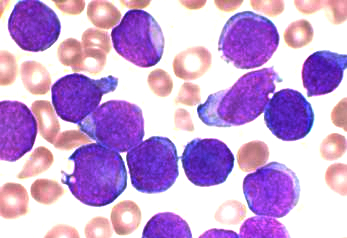 Blincyto is being approved under the FDA’s accelerated approval program, which allows approval of a drug to treat a serious or life-threatening disease based on clinical data showing the drug has an effect on a surrogate endpoint reasonably likely to predict clinical benefit to patients. This program provides earlier patient access to promising new drugs while the company conducts confirmatory clinical trials. The FDA is requiring Blincyto’s manufacturer to conduct a study to verify that the drug improves survival in participants with relapsed or refractory Philadelphia-negative precursor B-cell ALL.
Blincyto carries a boxed warning alerting patients and health care professionals that some clinical trial participants had problems with low blood pressure and difficulty breathing (cytokine release syndrome) at the start of the first treatment, experienced a short period of difficulty with thinking (encephalopathy) or other side effects in the nervous system. The most common side effects seen in Blincyto-treated participants were fever (pyrexia), headache, swelling of tissues (peripheral edema), fever with a low number of white blood cells (febrile neutropenia), nausea, low potassium (hypokalaemia), fatigue, constipation, diarrhea and tremor.
The FDA approved Blincyto with a Risk Evaluation and Mitigation Strategy (REMS), which consists of a communication plan to inform health care providers about the serious risks and the potential for preparation and administration errors.
Blincyto is marketed by Thousand Oaks, California-based Amgen Inc.
The FDA, an agency within the U.S. Department of Health and Human Services, promotes and protects the public health by, among other things, assuring the safety, effectiveness, and security of human and veterinary drugs, vaccines and other biological products for human use, and medical devices. The agency also is responsible for the safety and security of our nation’s food supply, cosmetics, dietary supplements, products that give off electronic radiation, and for regulating tobacco products.
More with FDA
Precursor B-cell ALL is a rapidly growing type of cancer in which the bone marrow makes too many B-cell lymphoblasts, an immature type of white blood cell. The Philadelphia chromosome is an abnormality that sometimes occurs in the bone marrow cells of leukemia patients. The National Cancer Institute estimates that 6,020 Americans will be diagnosed with ALL and 1,440 will die from the disease in 2014.
Blincyto is an example of immunotherapy, a treatment that uses certain parts of a person’s immune system to fight diseases such as cancer. Blincyto is the first approved drug that engages the body’s T-cells, a type of white blood cell or lymphocyte, to destroy leukemia cells. The drug acts as a connector between a protein called CD19, which is found on the surface of most B-cell lymphoblasts, and CD3, a protein on T-cell lymphocytes. It is intended for patients whose cancer returned after treatment (relapsed) or did not respond to previous treatment (refractory).
“Immunotherapies, especially Blincyto with its unique mechanism of action, are particularly promising for patients with leukemia,” said Richard Pazdur, M.D., director of the Office of Hematology and Oncology Products in the FDA’s Center for Drug Evaluation and Research. “Recognizing the potential of this novel therapy, the FDA worked proactively with the sponsor under our breakthrough therapy designation program to facilitate the approval of this novel agent.”
The FDA granted Blincyto breakthrough therapy designation, priority review and orphan product designation because the sponsor demonstrated through preliminary clinical evidence that the drug may offer a substantial improvement over available therapies; the drug had the potential, at the time the application was submitted, to be a significant improvement in safety or effectiveness in the treatment of a serious condition; and the drug is intended to treat a rare disease, respectively. Blincyto is being approved more than five months ahead of the prescription drug user fee goal date of May 19, 2015, the date the agency was scheduled to complete review of the application.
The safety and effectiveness of Blincyto were evaluated in a clinical study involving 185 adults with Philadelphia chromosome-negative relapsed or refractory precursor B-cell ALL. All participants were treated with Blincyto for at least four weeks via infusion, a method used to inject treatment into the bloodstream using a needle. Results showed 32 percent of participants had no evidence of disease (complete remission) for approximately 6.7 months.
Blincyto carries a boxed warning alerting patients and health care professionals that some clinical trial participants had problems with low blood pressure and difficulty breathing (cytokine release syndrome) at the start of the first treatment, experienced a short period of difficulty with thinking (encephalopathy) or other side effects in the nervous system. The most common side effects seen in Blincyto-treated participants were fever (pyrexia), headache, swelling of tissues (peripheral edema), fever with a low number of white blood cells (febrile neutropenia), nausea, low potassium (hypokalaemia), fatigue, constipation, diarrhea and tremor.
The FDA approved Blincyto with a Risk Evaluation and Mitigation Strategy (REMS), which consists of a communication plan to inform health care providers about the serious risks and the potential for preparation and administration errors.
Blincyto is marketed by Thousand Oaks, California-based Amgen Inc.
The FDA, an agency within the U.S. Department of Health and Human Services, promotes and protects the public health by, among other things, assuring the safety, effectiveness, and security of human and veterinary drugs, vaccines and other biological products for human use, and medical devices. The agency also is responsible for the safety and security of our nation’s food supply, cosmetics, dietary supplements, products that give off electronic radiation, and for regulating tobacco products.
More with FDA
UK. NICE recommends home births for some mums
For women having their second or subsequent baby, a birth in either the home or a midwife-led unit are equally safe options for UK National Institute for Health and Care Excellence.
Home births have dominated the UK media today, following the publication of guidance by the National Institute for Health and Care Excellence (NICE) on the care of healthy women and their babies during childbirth. The main talking point was the recommendation that women thought to have a low risk of pregnancy complications would be better served by giving birth at home or at a midwife-led unit, rather than at hospital.
 NICE has reviewed the evidence for the vast majority of pregnant women in England and Wales who have healthy, uncomplicated pregnancies. The rate of interventions, such as the use of forceps or a caesarean section, in these low-risk women are generally slightly lower in the home or midwife-led units, compared with hospital-based maternity wards.
For women having their second or subsequent baby, a birth in either the home or a midwife-led unit are equally safe options. However, for low-risk first-time mothers, the midwife-led unit may be the best choice.
No woman will be “forced” to give birth at home or a midwife-led unit. NICE advises that all low-risk women should be free to choose their birth setting, and be supported in this choice.
More on NHS Choices
Home births have dominated the UK media today, following the publication of guidance by the National Institute for Health and Care Excellence (NICE) on the care of healthy women and their babies during childbirth. The main talking point was the recommendation that women thought to have a low risk of pregnancy complications would be better served by giving birth at home or at a midwife-led unit, rather than at hospital.
For women having their second or subsequent baby, a birth in either the home or a midwife-led unit are equally safe options. However, for low-risk first-time mothers, the midwife-led unit may be the best choice.
No woman will be “forced” to give birth at home or a midwife-led unit. NICE advises that all low-risk women should be free to choose their birth setting, and be supported in this choice.
More on NHS Choices
US. Final rule on changes to pregnancy and lactation labeling information for prescription drug and biological products
The U.S. Food and Drug Administration published a final rule today that sets standards for how information about using medicines during pregnancy and breastfeeding is presented in the labeling of prescription drugs and biological products.
The new content and formatting requirements will provide a more consistent way to include relevant information about the risks and benefits of prescription drugs and biological products used during pregnancy and breastfeeding.
The final rule replaces the current product letter categories – A, B, C, D and X – used to classify the risks of using prescription drugs during pregnancy with three detailed subsections that describe risks within the real-world context of caring for pregnant women who may need medication.
 “Prescribing decisions during pregnancy and lactation are individualized and involve complex maternal, fetal and infant risk-benefit considerations. The letter category system was overly simplistic and was misinterpreted as a grading system, which gave an over-simplified view of the product risk,” said Sandra Kweder, M.D, deputy director of the Office of New Drugs in the FDA’s Center for Drug Evaluation and Research. “The new labeling rule provides for explanations, based on available information, about the potential benefits and risks for the mother, the fetus and the breastfeeding child.”
The final rule requires the use of three subsections in the labeling titled “Pregnancy,” “Lactation” and “Females and Males of Reproductive Potential” that provide details about use of the drug or biological product. The detailed subsections must include a summary of the risks of using a drug during pregnancy and breastfeeding, a discussion of the data supporting the summary and relevant information to help health care providers make prescribing and counseling decisions.
There are over six million pregnancies in the United States every year, and pregnant women take an average of three to five prescription drugs during pregnancy. Women with pre-existing medical conditions, such as asthma or high blood pressure, may need to continue to use prescription drugs to treat those conditions during pregnancy and breastfeeding. Women may also need to take medications for new or acute conditions that may occur during pregnancy or breastfeeding. The new labeling format and requirements reorganizes information and is structured to help inform health care professionals’ prescribing decisions and the counseling of patients using prescription drugs.
The final rule is part of a broad effort by the agency, which began with the Physician Labeling Rule, to improve the content and format of prescription drug labeling.
The rule finalizes many of the provisions in the proposed rule that the FDA issued in May 2008, and will be in effect as of June 30, 2015. Once the final rule is in effect, newly approved drug and biological product applications will be required to use the new format immediately, while the new labeling content and format requirements for previously approved products subject to the Physician Labeling Rule will be phased in gradually.
The FDA is also issuing a draft guidance for industry to help drug and biological product manufacturers comply with the new labeling content and format requirements. The draft guidance provides a detailed description of how the labeling is to be formatted subsection-by-subsection, noting the type of information that should be included under each heading. Although comments on a guidance can be submitted at any time, public comments should be submitted within 60 days of publication to ensure that they are considered when the FDA begins work on finalizing the draft guidance.
More on FDA
The new content and formatting requirements will provide a more consistent way to include relevant information about the risks and benefits of prescription drugs and biological products used during pregnancy and breastfeeding.
The final rule replaces the current product letter categories – A, B, C, D and X – used to classify the risks of using prescription drugs during pregnancy with three detailed subsections that describe risks within the real-world context of caring for pregnant women who may need medication.
The final rule requires the use of three subsections in the labeling titled “Pregnancy,” “Lactation” and “Females and Males of Reproductive Potential” that provide details about use of the drug or biological product. The detailed subsections must include a summary of the risks of using a drug during pregnancy and breastfeeding, a discussion of the data supporting the summary and relevant information to help health care providers make prescribing and counseling decisions.
- The Pregnancy subsection will provide information relevant to the use of the drug in pregnant women, such as dosing and potential risks to the developing fetus, and will require information about whether there is a registry that collects and maintains data on how pregnant women are affected when they use the drug or biological product. Information in drug labeling about the existence of any pregnancy registries has been previously recommended but not required until now.
- The Lactation subsection will provide information about using the drug while breastfeeding, such as the amount of drug in breast milk and potential effects on the breastfed child.
- The Females and Males of Reproductive Potential subsection will include information about pregnancy testing, contraception and about infertility as it relates to the drug. This information has been included in labeling, but there was no consistent placement for it until now.
There are over six million pregnancies in the United States every year, and pregnant women take an average of three to five prescription drugs during pregnancy. Women with pre-existing medical conditions, such as asthma or high blood pressure, may need to continue to use prescription drugs to treat those conditions during pregnancy and breastfeeding. Women may also need to take medications for new or acute conditions that may occur during pregnancy or breastfeeding. The new labeling format and requirements reorganizes information and is structured to help inform health care professionals’ prescribing decisions and the counseling of patients using prescription drugs.
The final rule is part of a broad effort by the agency, which began with the Physician Labeling Rule, to improve the content and format of prescription drug labeling.
The rule finalizes many of the provisions in the proposed rule that the FDA issued in May 2008, and will be in effect as of June 30, 2015. Once the final rule is in effect, newly approved drug and biological product applications will be required to use the new format immediately, while the new labeling content and format requirements for previously approved products subject to the Physician Labeling Rule will be phased in gradually.
The FDA is also issuing a draft guidance for industry to help drug and biological product manufacturers comply with the new labeling content and format requirements. The draft guidance provides a detailed description of how the labeling is to be formatted subsection-by-subsection, noting the type of information that should be included under each heading. Although comments on a guidance can be submitted at any time, public comments should be submitted within 60 days of publication to ensure that they are considered when the FDA begins work on finalizing the draft guidance.
More on FDA
Weight loss surgery 'not a quick fix' for good health
Weight loss surgery, such as fitting a gastric band, usually results in significant weight loss.
But this weight loss doesn't automatically lead to improvements in important markers for metabolic health, such as insulin sensitivity.
A low level of insulin sensitivity is a major risk factor for type 2 diabetes.
In a new study, 128 adults were randomised into two groups. One group received a six-month moderate
 exercise programme, while the other received a six-month health education programme.
After six months, those that followed the exercise programme had better insulin sensitivity than those following the educational programme.
But the picture was not completely clear. Quite a few people dropped out of the study or did not adhere to the six-month exercise programme fully.
This could mean the programme as a whole would not yield any significantly better improvements at a population level.
More on NHS choices
But this weight loss doesn't automatically lead to improvements in important markers for metabolic health, such as insulin sensitivity.
A low level of insulin sensitivity is a major risk factor for type 2 diabetes.
In a new study, 128 adults were randomised into two groups. One group received a six-month moderate
After six months, those that followed the exercise programme had better insulin sensitivity than those following the educational programme.
But the picture was not completely clear. Quite a few people dropped out of the study or did not adhere to the six-month exercise programme fully.
This could mean the programme as a whole would not yield any significantly better improvements at a population level.
More on NHS choices
HIV evolving into less deadly form
A new study showed that HIV adapts to a person’s immune system, and that some of these adaptations may reduce the virulence of the virus.
The research team looked specifically at HIV in Botswana and South Africa. It found that over time, human immune system proteins, in addition to the use of HIV drugs, may have forced the virus to change into less virulent forms.
This is consistent with the theory that viruses get less virulent over time. The optimal evolutionary strategy for a virus is to be infectious (so it creates more copies of itself) but non-lethal (so its host population doesn’t die out). The "poster boy" for successful long-living viruses is, arguably, the family of viruses that cause the common cold, which has existed for thousands of years.
 The authors warn that HIV, even at the reduced virulence, can still trigger the onset of AIDS.
Similarly, this study does not show that HIV virulence in the UK is decreasing, and that the virus remains life-threatening.
The simplest way to protect yourself against HIV infection in the UK is to use a condom during sex and never share needles if you are an injecting drug user.
.
The UK media reported the story accurately. It was important that they included a warning that, despite a small decrease in the virus’ potency in some areas of Africa, HIV still causes AIDS. This can significantly shorten life, due to impairment of the immune system if the correct treatment is not followed and made available soon after infection.
More on NHS Choices (UK)
The research team looked specifically at HIV in Botswana and South Africa. It found that over time, human immune system proteins, in addition to the use of HIV drugs, may have forced the virus to change into less virulent forms.
This is consistent with the theory that viruses get less virulent over time. The optimal evolutionary strategy for a virus is to be infectious (so it creates more copies of itself) but non-lethal (so its host population doesn’t die out). The "poster boy" for successful long-living viruses is, arguably, the family of viruses that cause the common cold, which has existed for thousands of years.
Similarly, this study does not show that HIV virulence in the UK is decreasing, and that the virus remains life-threatening.
The simplest way to protect yourself against HIV infection in the UK is to use a condom during sex and never share needles if you are an injecting drug user.
The study was led by researchers from Oxford and several institutes in Canada, the US, South Africa, Botswana and Japan. It was funded by grants from the National Institutes of Health (US), the Wellcome Trust (UK), the Medical Research Council UK and the Canadian Institutes of Health.
The study was published in the Proceedings of the National Academy of Sciences of the United States of America (PNAS), a peer-reviewed science journal. It is an open-access study, meaning that anyone can read it online or download it for free.
The UK media reported the story accurately. It was important that they included a warning that, despite a small decrease in the virus’ potency in some areas of Africa, HIV still causes AIDS. This can significantly shorten life, due to impairment of the immune system if the correct treatment is not followed and made available soon after infection.
More on NHS Choices (UK)
Subscribe to:
Posts (Atom)