Showing posts with label stomach cancer. Show all posts
Showing posts with label stomach cancer. Show all posts
Wednesday, January 25, 2017
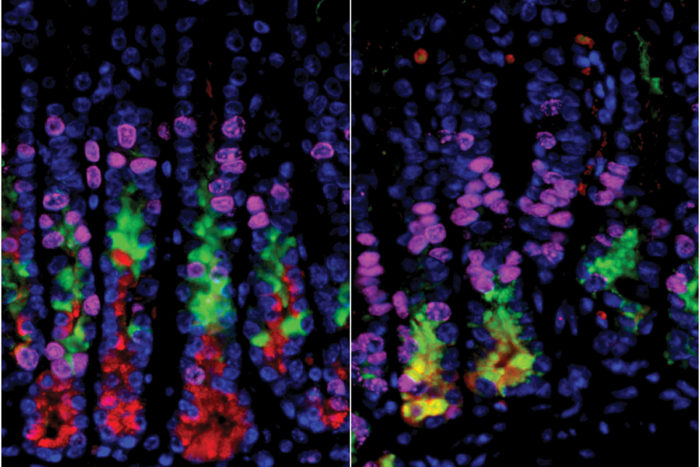
New insight into origin of stomach cancer
Friday, April 17, 2015
New technology for early detection of stomach cancer
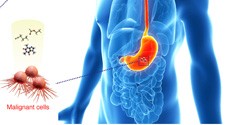 Technion: Innovative gastric
cancer-detection technology developed by the Technion can be used for
the early detection of stomach cancer and for identifying persons at
risk for developing the disease. The new detection method, based on
breath analysis, has significant advantages over the existing detection
technology: Gut reports that the new method is quick, simple, inexpensive and non-invasive.
Technion: Innovative gastric
cancer-detection technology developed by the Technion can be used for
the early detection of stomach cancer and for identifying persons at
risk for developing the disease. The new detection method, based on
breath analysis, has significant advantages over the existing detection
technology: Gut reports that the new method is quick, simple, inexpensive and non-invasive.
Friday, March 20, 2015
New hope for beating deadly hereditary stomach and breast cancers

Otago: Deadly familial stomach and lobular breast cancers could be successfully treated at their earliest stages, or even prevented, by existing drugs that have been newly identified by University of Otago cancer genetics researchers. The researchers, led by Professor Parry Guilford, show for the first time that the key genetic mutation underlying the devastating conditions also opens them to attack through drug therapies targeting other cellular mechanisms.
Friday, February 13, 2015
Study provides individual risk estimates for deadly hereditary stomach cancer
Otago University. New-Zealand: A University of Otago researcher who helped discover a key genetic mutation that causes familial stomach cancer is part of an international team that has now provided the first accurate risk estimates for those who carry it.
Subscribe to:
Posts (Atom)