BMJ: Long
term use of antidepressants is associated with a sustained increase in
risk of weight gain over at least five years, finds a study published in
The BMJ today. The
findings show that patients prescribed any of the 12 most commonly used
antidepressants were more likely to experience weight gain than those
not taking the drugs. The risk was greatest during the second and third
years of treatment.
Showing posts with label depression. Show all posts
Showing posts with label depression. Show all posts
Wednesday, June 27, 2018
Sunday, May 13, 2018
Genetic analysis can improve depression therapy
.jpg/1024px-Depressed_(4649749639).jpg) Karolinska Institute: The failure of drugs such as SSRIs, used to treat
depression, can be a result of genetic variations in patients.
Variations within the gene that encodes the CYP2C19 enzyme results in
extreme differences in the levels of escitalopram achieved in patients,
according to a new study published in The American Journal of Psychiatry.
Prescribing the dose of escitalopram based on a patient’s specific
genetic constitution would greatly improve therapeutic outcomes. The
study was conducted at Karolinska Institutet in Sweden in association
with researchers at Diakonhjemmet Hospital in Oslo, Norway.
Karolinska Institute: The failure of drugs such as SSRIs, used to treat
depression, can be a result of genetic variations in patients.
Variations within the gene that encodes the CYP2C19 enzyme results in
extreme differences in the levels of escitalopram achieved in patients,
according to a new study published in The American Journal of Psychiatry.
Prescribing the dose of escitalopram based on a patient’s specific
genetic constitution would greatly improve therapeutic outcomes. The
study was conducted at Karolinska Institutet in Sweden in association
with researchers at Diakonhjemmet Hospital in Oslo, Norway.Monday, May 7, 2018
Mother’s Depression Might Do the Same to Her Child’s IQ

Tuesday, February 28, 2017
Fathers can get new baby depression too

The study found that expectant fathers were at risk if they felt stressed or were in poor health. Elevated depression symptoms following their child’s birth were linked to social and relationship problems.
The study, published today in the Journal of the American Medical Association Psychiatry investigated depression symptoms in more than 3,500 New Zealand men during the third trimester of their partner’s pregnancy and again nine months after their child’s birth.
Tuesday, February 21, 2017
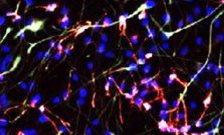
New method could fast-track existing drugs as novel treatments for depression
Wednesday, February 1, 2017
Brain circuits may reveal which young people are likely to commit suicide

Thursday, January 26, 2017
VIDEO: Depression. Living with a black dog
VIDEO: I had a black dog, his name was depression
Friday, December 23, 2016
Depression Risk Grows With Use of More Social Media Sites

Monday, November 28, 2016
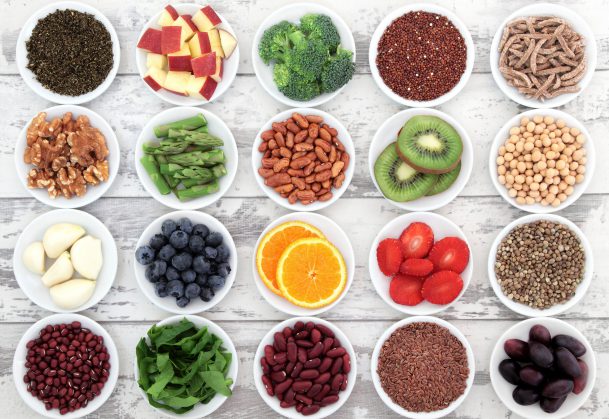
How Nutrition May Feed Mental Health
Friday, November 18, 2016
What is taurine and how can it improve psychosis?
TheConversation: A compound found in many foods and energy drinks can decrease
symptoms of depression and psychosis, which is where the person loses
contact with reality. In our recent study, published in the Journal of Clinical Psychiatry,
we tested whether supplementing standard treatment with taurine would
improve cognition and other mental health symptoms in young people who
had experienced their first psychotic episode.
Saturday, November 12, 2016
Hearing Loss Linked To Increased Depression and Dementia Risk: Interview with Frank Robert Lin, M.D.

Response: In the last few years, we have investigated the link between hearing loss and dementia in large studies of older adults who have been followed for many years. In these studies, we and others have found that those with greater hearing loss have a higher risk of developing dementia even after we account for factors like age, education, medical comorbidities, etc. We think this is because there are some pathways through which hearing loss can directly affect our thinking and memory abilities
Can Ayahuasca, the ‘sacred plant’ of the Amazon, help addiction and depression?
 TheConversation: Ayahuasca goes by many names: Daime, Vegetal, Hoasca, Kamarampi, Huni
… whatever you call it, this plant-based psychoactive decoction, which
has been used by indigenous Amazonians for centuries to contact the
spiritual world, has suddenly burst into global consciousness. As a recent New Yorker article put it, ayahuasca is “the drug of choice for the age of kale”. The article, which positioned ayahuasca as a hipster trend in a tone
of mockery mixed with mystification, nevertheless belies the growing
interest of Western scientists and rich urbanites in its medicinal and
therapeutic potential, which include antidepressant, anti-anxiety and
anti-addiction elements.
TheConversation: Ayahuasca goes by many names: Daime, Vegetal, Hoasca, Kamarampi, Huni
… whatever you call it, this plant-based psychoactive decoction, which
has been used by indigenous Amazonians for centuries to contact the
spiritual world, has suddenly burst into global consciousness. As a recent New Yorker article put it, ayahuasca is “the drug of choice for the age of kale”. The article, which positioned ayahuasca as a hipster trend in a tone
of mockery mixed with mystification, nevertheless belies the growing
interest of Western scientists and rich urbanites in its medicinal and
therapeutic potential, which include antidepressant, anti-anxiety and
anti-addiction elements. Sunday, November 6, 2016
Researcher develops new concept for treating refractory depression

Sunday, October 30, 2016
Researchers predict with high accuracy if antidepressants will help
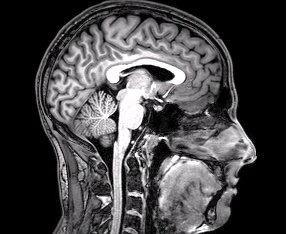
“We think our results are especially strong because we demonstrated that accuracy is robust by confirming it with cross-validation techniques,” said Leanne Williams, PhD, professor of psychiatry and behavioral sciences.
A paper describing the findings was published online Oct. 10 in the Proceedings of the National Academies of Science. Williams is the senior author. Postdoctoral scholar Andrea Goldstein-Piekarski, PhD, is the lead author.
Sunday, October 23, 2016
Antidepressants During Pregnancy Associated with Childhood Language Disorders

Monday, February 1, 2016
Is There a Connection Between Your Age at Menopause and Later Depression?

Wednesday, July 1, 2015
St John's Wort can make you sick

Tuesday, June 30, 2015
Is depression a mental or physical illness? Unravelling the inflammation hypothesis
Most people feel down, tired and inactive when they’re injured or ill. This “sickness behaviour” is caused by the activation of the body’s immune response. It’s the brain’s way of conserving energy so the body can heal.
This immune response can also occur in people with depression. This has prompted some researchers and clinicians to hypothesise that depression is actually a side effect of the inflammatory process.
But while there may be a connection between inflammation and depression, one doesn’t necessarily lead to the other. So it’s too simplistic to say depression is a physical, rather than a psychiatric, illness.
The inflammation hypothesis
University of California clinical psychologist and researcher George Slavich is one of the key recent proponents of depression as a physical illness. He hypothesises that social threats and adversity trigger the production of pro-inflammatory “cytokines”. These are messenger molecules of the immune system that play a critical role in orchestrating the host’s response to injury and infection.
This inflammatory process, Slavich argues, can initiate profound behavioural changes, including the induction of depression.
The idea that the activation of the immune response may trigger depression in some people is by no means a new one. Early descriptions of post-influenza depression appeared in the 19th century in the writings of English physician Daniel Tuke.
But it was not until the 1988 seminal paper, published by veterinarian Benjamin Hart, that the phenomenon of acute “sickness behaviour” caught the interest of the scientific community.
Hart described his detailed observations of the “behaviour of sick animals”. During acute infection, and in response to fever, the animals sought sleep, lost their appetite, showed a reduction in activity, grooming and social interactions, as well as showing signs of “depression”.
Just like the immune response itself, these changes reflect an evolved survival strategy that shifts priorities toward energy conservation and recovery.
Putting the theory into practice
Cytokine-induced sickness behaviour has subsequently been studied as an example of communication between the immune system and the brain.
The behavioural changes during sickness resemble those associated with depression, so it didn’t take long for researchers to make a connection between the phenomenon of sickness behaviour and mental disorders.
.jpg/120px-Depressed_(4649749639).jpg) TheConversation: Such speculation was strengthened by research showing that depressive states can be experimentally induced by administering cytokines and other immunogenic agents (such as vaccines) that cause an inflammatory response. Depression is frequently associated with inflammatory illnesses such as heart disease and rheumatoid arthritis. It’s also a side effect of treatment with cytokines to enhance the immune system.
TheConversation: Such speculation was strengthened by research showing that depressive states can be experimentally induced by administering cytokines and other immunogenic agents (such as vaccines) that cause an inflammatory response. Depression is frequently associated with inflammatory illnesses such as heart disease and rheumatoid arthritis. It’s also a side effect of treatment with cytokines to enhance the immune system.
This immune response can also occur in people with depression. This has prompted some researchers and clinicians to hypothesise that depression is actually a side effect of the inflammatory process.
But while there may be a connection between inflammation and depression, one doesn’t necessarily lead to the other. So it’s too simplistic to say depression is a physical, rather than a psychiatric, illness.
The inflammation hypothesis
University of California clinical psychologist and researcher George Slavich is one of the key recent proponents of depression as a physical illness. He hypothesises that social threats and adversity trigger the production of pro-inflammatory “cytokines”. These are messenger molecules of the immune system that play a critical role in orchestrating the host’s response to injury and infection.
This inflammatory process, Slavich argues, can initiate profound behavioural changes, including the induction of depression.
The idea that the activation of the immune response may trigger depression in some people is by no means a new one. Early descriptions of post-influenza depression appeared in the 19th century in the writings of English physician Daniel Tuke.
But it was not until the 1988 seminal paper, published by veterinarian Benjamin Hart, that the phenomenon of acute “sickness behaviour” caught the interest of the scientific community.
Hart described his detailed observations of the “behaviour of sick animals”. During acute infection, and in response to fever, the animals sought sleep, lost their appetite, showed a reduction in activity, grooming and social interactions, as well as showing signs of “depression”.
Just like the immune response itself, these changes reflect an evolved survival strategy that shifts priorities toward energy conservation and recovery.
Putting the theory into practice
Cytokine-induced sickness behaviour has subsequently been studied as an example of communication between the immune system and the brain.
The behavioural changes during sickness resemble those associated with depression, so it didn’t take long for researchers to make a connection between the phenomenon of sickness behaviour and mental disorders.
Sunday, June 28, 2015
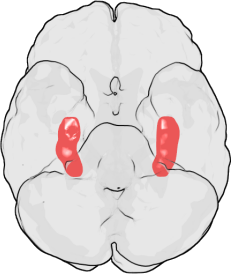
The brains of people with recurrent depression have a significantly smaller hippocampus
Subscribe to:
Posts (Atom)