Showing posts with label liver cancer. Show all posts
Showing posts with label liver cancer. Show all posts
Monday, March 29, 2021
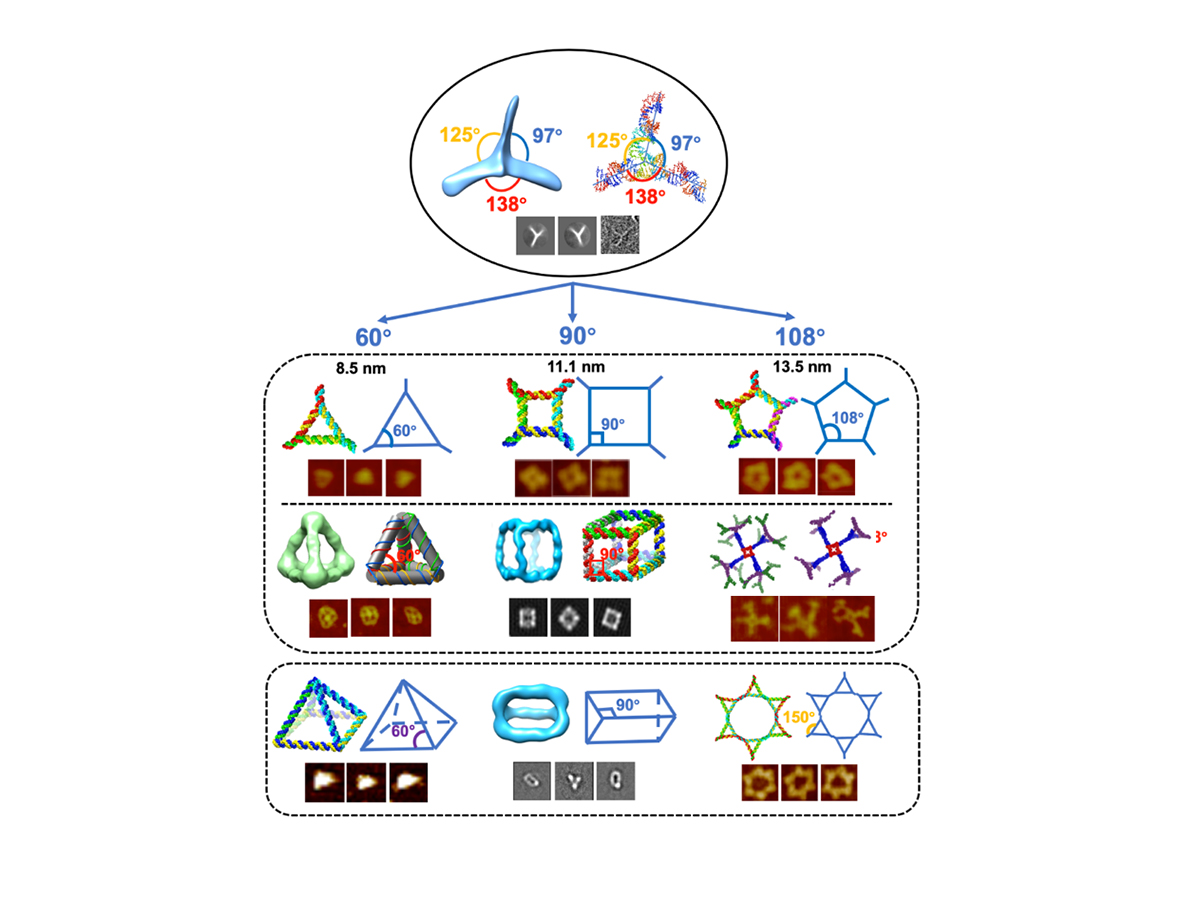
Targeted RNA Nanoparticle Shows Early Promise as Treatment for Liver Cancer
Sunday, February 19, 2017
Risk of liver cancer lower than previously thought in patients with cirrhosis.

Wednesday, June 10, 2015
Programming probiotics for early detection of liver cancer
UCSD: Scientists at the University of California, San Diego and the
Massachusetts Institute of Technology (MIT) have described a new method
for detecting liver cancer metastases in mice. The approach uses
over-the-counter probiotics genetically programmed to produce signals
easily detectable in urine when liver cancer metastases are present. The
results of the new study, published in the May 27 issue of Science
Translational Medicine, indicate that genetically-programmed probiotics
may be useful for detecting liver cancer metastases early-on in the
progression of the disease.
Friday, May 22, 2015
First Noninvasive Early Detection Of Liver Cancer Developed

Tuesday, April 7, 2015
New genes implicated in liver cancer identified: another step towards personalised medicine

- that there is a link between individuals’ exposure to risk factors during their lives (alcohol, tobacco, food toxins) and the DNA mutations found in their tumours;
Monday, January 26, 2015
Percutaneous ethanol injection for the treatment of early liver cancer
Cochrane: Liver cancer (hepatocellular carcinoma) is the fifth most common cancer worldwide. In the majority of people, liver cancer is diagnosed at advanced stages of the disease and is mostly accompanied by liver cirrhosis. In high-income countries, about 30% of people present with the more favourable early liver cancer. For these people, percutaneous ablation techniques (destruction of the cancer cells by heat, cold, or chemical substances such as ethanol), surgical resection (removal of part of the liver), and liver transplantation (which is limited by organ donor shortage) are currently considered potentially curative treatments.
Hepatocellular Carcinoma (Primary Liver Cancer)
UCSF. US: Primary liver cancer, also known as hepatocellular carcinoma, is a cancer that begins in the liver.. Each year in the United States, approximately 15,000 men and 6,000 women are diagnosed with primary liver cancer.
Friday, January 9, 2015
Genomic Predictors for Recurrence of Liver Cancer
Plos: In a new study, Ju-Seog Lee and colleagues
develop a genetic predictor that can identify patients at high risk for
late recurrence of liver cancer (hepatocellular carcinoma, HCC) and provided new
biomarkers for risk stratification.
Friday, September 26, 2014
Alpha-fetoprotein
Wednesday, April 11, 2012
Liver cancer (Hepatocellular Carcinoma)
Author: Dr Tim Davern California Pacific Medical Center 2008-10-05
Hepatocellular Carcinoma
Hepatocellular carcinoma (HCC) is an increasingly recognized complication of cirrhosis. This article briefly reviews the epidemiology of HCC, its diagnosis, prognosis and treatment.
Subscribe to:
Posts (Atom)