Showing posts with label Chronic Myeloid Leukemia. Show all posts
Showing posts with label Chronic Myeloid Leukemia. Show all posts
Thursday, February 23, 2017
New study into leukemia offers clearer understanding of its biology
Wednesday, August 27, 2014
Chronic Myeloid Leukemia
Also called: CML, Chronic granulocytic leukemia, Chronic myelogenous leukemia
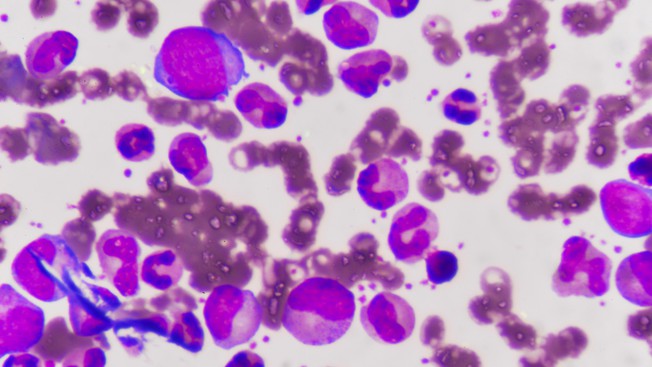
Leukemia is cancer of the white blood cells. White blood cells help your body fight infection. Your blood cells form in your bone marrow. In leukemia, the bone marrow produces abnormal white blood cells. These cells crowd out the healthy blood cells, making it hard for blood to do its work. In chronic myeloid leukemia (CML), there are too many granulocytes, a type of white blood cell.
Most people with CML have a gene mutation (change) called the Philadelphia chromosome.
Sometimes CML does not cause any symptoms. If you have symptoms, they may include:
More about Chronic Myeloid Leukemia
Leukemia is cancer of the white blood cells. White blood cells help your body fight infection. Your blood cells form in your bone marrow. In leukemia, the bone marrow produces abnormal white blood cells. These cells crowd out the healthy blood cells, making it hard for blood to do its work. In chronic myeloid leukemia (CML), there are too many granulocytes, a type of white blood cell.
Most people with CML have a gene mutation (change) called the Philadelphia chromosome.
Sometimes CML does not cause any symptoms. If you have symptoms, they may include:
- Fatigue
- Weight loss
- Night sweats
- Fever
- Pain or a feeling of fullness below the ribs on the left side
More about Chronic Myeloid Leukemia
Chronic Myeloid Leukemia
 Author: Dr Frederick Appelbaum Fred Hutchinson Cancer Research Center Seattle 2008-07-28
 Chronic myeloid (or myelogenous) leukemia developed in approximately 4500 Americans in 2006. Although it is sometimes seen in childhood, the incidence of the disease increases with age and the median age of diagnosis is around 60 years.
Subscribe to:
Posts (Atom)