MedicalResearch: The poliovirus receptor (CD155) is an onco-fetal cell adhesion
molecule with widespread expression in all solid tumors and particularly
in primary CNS tumors (adult and pediatric). Recombinant nonpathogenic polio–rhinovirus chimera (PVSRIPO) was
generated by replacing a critical piece of the genetic information from
the Sabin type 1 polio vaccine, making PVSRIPO incapable of harming or
killing normal brain cells, but toxic/lethal in cancer cells. In
preclinical models, it has been demonstrated that the infection of tumor
cells, leads to the release of danger signals, which triggers a
recruitment of dendritic/CD4/CD8 T cells and a destruction of tumor
cells by anti-tumor T cells.
Showing posts with label brain tumors. Show all posts
Showing posts with label brain tumors. Show all posts
Wednesday, June 27, 2018
Wednesday, May 16, 2018
NEW GENES INVOLVED IN BRAIN TUMORS

ICM: A large-scale genetic study that ICM
researchers took part in, within an international consortium, highlights
the relationship between genetic profiles of patients and varying
susceptibility to different types of brain tumors. Gliomas represent roughly 27% of primitive brain tumors, meaning
tumors that originate directly within the brain. They are split up into
two main categories: glioblastomas, the most aggressive (high-grade
gliomas), and low-grade gliomas. Despite current treatment options
including chemotherapy, radiotherapy and surgery, glioma prognosis is
generally poor. A better understanding of tumor development is crucial.
Monday, May 14, 2018
In the eye of the medulloblastoma
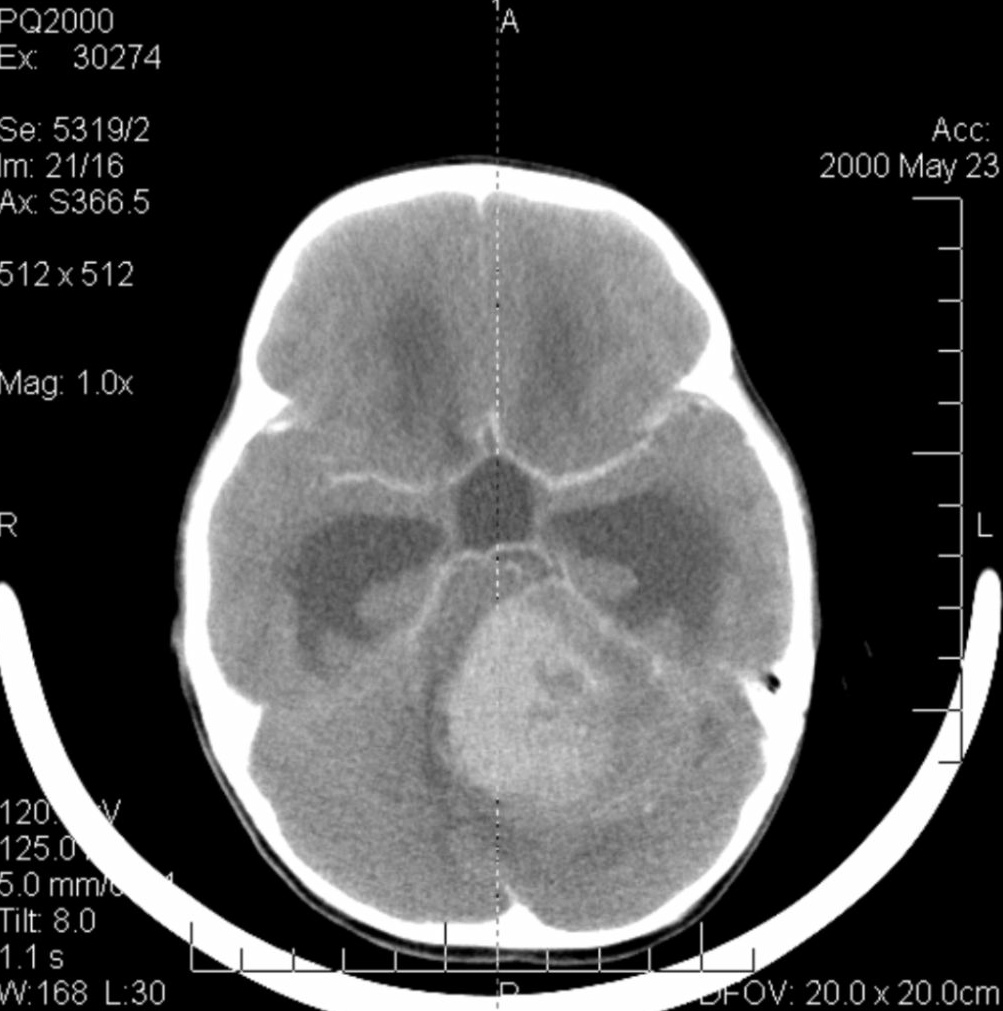
CNRS: Can genes normally expressed only in the eye be
activated in brain tumours? Such a phenomenon, though surprising, has
been observed in certain types of medulloblastoma, paediatric tumours of
the cerebellum. Researchers from the CNRS, Institut Curie, Inserm and
Université Paris-Sud1, together with researchers at St. Jude
Children's Research Hospital (Memphis, United States), have pinpointed
the role of these genes in the tumour process, thus offering new
therapeutic targets. Their findings appear in the 12 March 2018 edition
of Cancel Cell.
Wednesday, April 18, 2018
First-in-Human 'Nanomedicine' Drug Showing Promise in Solid Cancers

Tuesday, April 11, 2017
New study charts single-cell composition of two major types of brain tumor
Wednesday, March 1, 2017
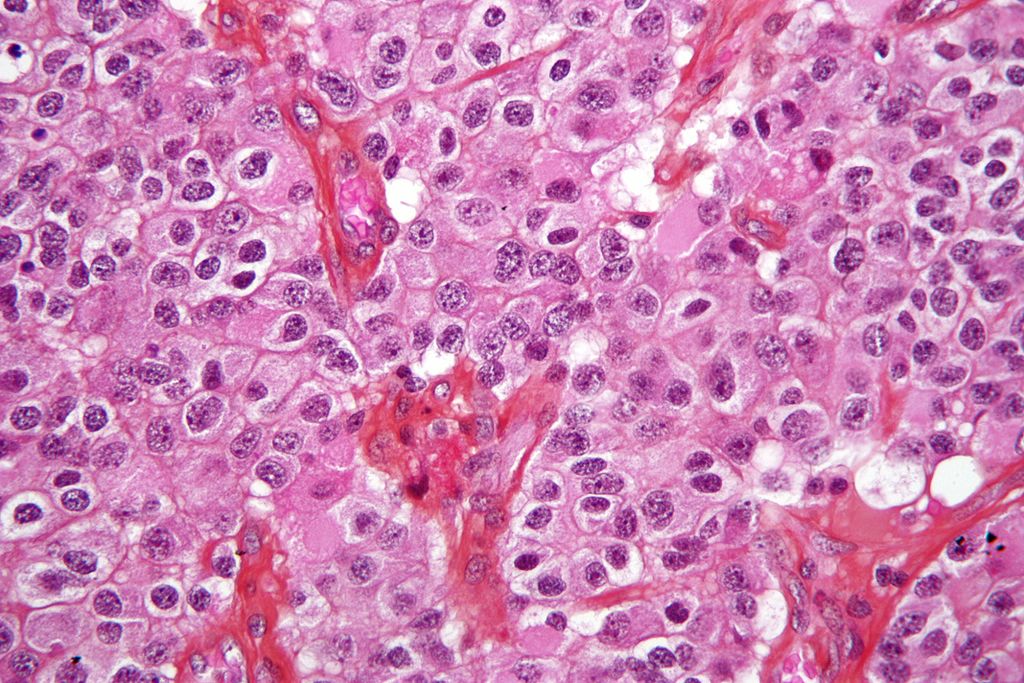
Molecule Stops Fatal Pediatric Brain Tumor
Wednesday, February 15, 2017
New technique slashes diagnosis time during brain surgery
Sunday, January 22, 2017
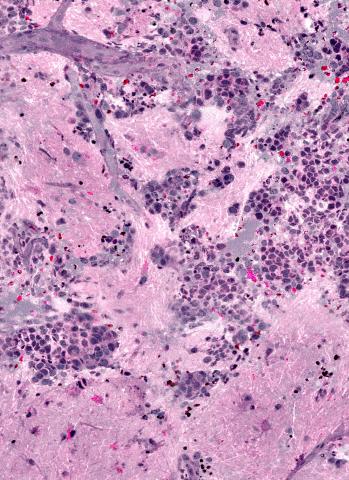
Genomic profiling can guide treatment of pediatric brain tumors

Monday, February 1, 2016
UPMC-Developed Test Rapidly, Accurately Profiles Genetics and Treatment of Brain Tumors

The test, called GlioSeq™, is now being used by UPMC oncologists to
help guide treatment planning of brain cancers, said senior
investigator Marina Nikiforova, M.D., professor of pathology, Pitt
School of Medicine, and director of UPMC’s Molecular & Genomic
Pathology Laboratory. Her team’s findings about the test were recently
published in Neuro-Oncology.
Monday, June 1, 2015
Redefining infant brain tumours to improve treatment

Thursday, May 21, 2015
Epigenetic profiles allow for more precise predictions in brain cancer
 German Cancer Research Center: Scientists from the German Cancer
Research Center (DKFZ) have analyzed the DNA methylation patterns in 500
ependymomas - tumors that occur in the brain and spinal cord. They were
able to distinguish nine molecular subgroups. This classification
enables clinicians to better predict the widely varying courses of
disease that this type of cancer can take. In addition, key molecules in
the various molecular groups have been identified as promising targets
for more effective drug treatment in cases where chemotherapy is
virtually ineffective. Ependymomas are a group of tumors that
occur in children and adults. They develop in all areas of the central
nervous system (CNS): the spinal cord, the cerebellum and the cerebrum.
Apart from the sites where they develop, ependymomas also vary in their
biology and in the clinical courses that they take.
German Cancer Research Center: Scientists from the German Cancer
Research Center (DKFZ) have analyzed the DNA methylation patterns in 500
ependymomas - tumors that occur in the brain and spinal cord. They were
able to distinguish nine molecular subgroups. This classification
enables clinicians to better predict the widely varying courses of
disease that this type of cancer can take. In addition, key molecules in
the various molecular groups have been identified as promising targets
for more effective drug treatment in cases where chemotherapy is
virtually ineffective. Ependymomas are a group of tumors that
occur in children and adults. They develop in all areas of the central
nervous system (CNS): the spinal cord, the cerebellum and the cerebrum.
Apart from the sites where they develop, ependymomas also vary in their
biology and in the clinical courses that they take.Tuesday, May 19, 2015
Existing drug may treat the deadliest childhood brain tumor

Thursday, April 16, 2015
Brain tumors may be new victims of Ebola-like virus

Friday, February 27, 2015
Mobile phones not causing increase in brain tumours
Auckland University. New-Zealand: The risk of brain tumours has not changed significantly with
increased mobile phone use, according to new research from the
University of Auckland.
Saturday, February 21, 2015
A dog lives on; now the stage is being set for treating humans
Virginia Tech. US: The National Cancer Institute awarded Scott Verbridge, an assistant professor of biomedical engineering and mechanics, a $386,149 research grant to move a glioblastoma treatment a step closer to being used on humans.
Thursday, February 5, 2015
Glioblastoma: Three Genes Tied to Radiation Resistance in Recurrent Tumors
Ohio University. US: The lethal brain cancer glioblastoma multiforme (GBM) frequently recurs after treatment and patients have an average survival of less than two years. This study identified three genes that play key roles in enabling certain GBM cells to survive radiation therapy. The findings suggest that blocking one or more of these genes might offer an effective new treatment for recurrent, treatment-resistant GBM.
Thursday, January 22, 2015
Mutated ATRX Gene Linked to Brain and Pancreatic Neuroendocrine Tumors is Potential Biomarker for Rare Adrenal Tumors Too
Pennsylvania University. US: A somatic mutation in the ATRX gene has recently been shown
as a potential molecular marker for aggressive brain tumors, such as
gliomas, neuroblastomas and pancreatic neuroendocrine tumors. Now, for
the first time, researchers at the Perelman School of Medicine at the University of Pennsylvania
have found that the same mutated gene may serve as a much-needed
biomarker for the pheochromocytomas and paragangliomas (PCC/PGL) that
become malignant. These rare neuroendocrine tumors are typically
benign, but when they go rogue, they become very aggressive.
Sunday, January 11, 2015
Glioblastoma

Frequency is estimated at 1/100,000. They may occur at any age, but 70% of cases are seen in patients between 45 and 70 years of age. The tumors are usually located in the brain hemispheres, but can be found anywhere in the central nervous system.
Subscribe to:
Posts (Atom)