Johns Hopkins: There are neurons in your skin that are wired for one purpose and
one purpose only: to sense itchy things. These neurons are separate
from the ones that detect pain, and yet, chemical-induced itch is often
accompanied by mild pain, such as burning and stinging sensations. But
when it comes to sending signals toward your brain through your spinal
cord, itch and mild pain can go through the same set of spinal cord
neurons, researchers report Feb. 22 in Neuron. This finding explains why pain often accompanies intense, chemical-induced itch.
Only good, independent and reliable information about health from experts.
Showing posts with label neurons. Show all posts
Wednesday, March 8, 2017
Monday, February 27, 2017
Switching off the brain: an optogenetic tool that inhibits neural activity
Singapore: Switching off specific brain regions in a
laboratory animal is an important type of experiment used to better
understand how the brain works. A study published in Nature Methods by Singapore-based researchers identified effective inhibitors of brain activity in the important animal model Drosophila melanogaster,
the common vinegar fly. These new tools are enabling researchers to
better understand the relationship between neural circuits and
behaviour, expanding our knowledge of the brain.
Wednesday, February 22, 2017
New discovery could be a major advance for understanding neurological diseases

Bristol: The discovery of a
new mechanism that controls the way nerve cells in the brain communicate
with each other to regulate our learning and long-term memory could
have major benefits to understanding how the brain works and what goes
wrong in neurodegenerative disorders such as epilepsy and dementia. The
breakthrough, published in Nature Neuroscience, was made by scientists
at the University of Bristol and the University of Central Lancashire.
The findings will have far-reaching implications in many aspects of
neuroscience and understanding how the brain works.
Thursday, January 26, 2017
Testosterone for nerve fibre repair
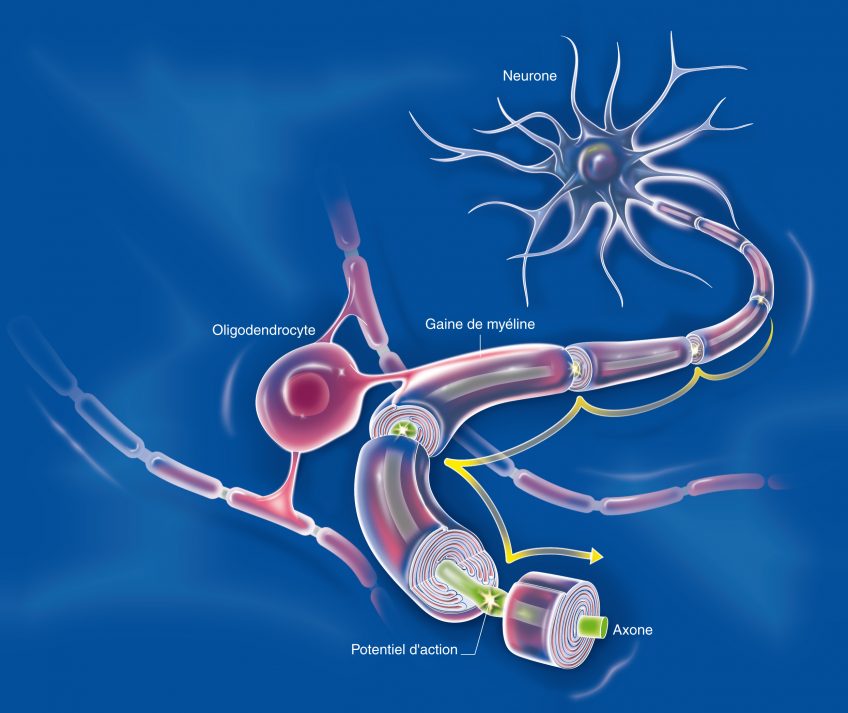
INSERM: To protect against attack, the body uses natural repair processes.
What is involved in the spontaneous regeneration of the myelin sheath
surrounding nerve fibres? This is the question addressed by researchers
in Unit 1195, “Neuroprotective, Neuroregenerative and Remyelinating
Small Molecules” (Inserm/Paris-Sud University). They have discovered, in
mice, the unexpected regenerative role of testosterone in this process.
This could be a factor in the progression of demyelinating diseases,
such as multiple sclerosis, which can present differently in women and
men, and heralds new therapeutic opportunities.
Sunday, January 22, 2017
First Cell Culture of Live Adult Human Neurons Shows Potential of Brain Cell Types
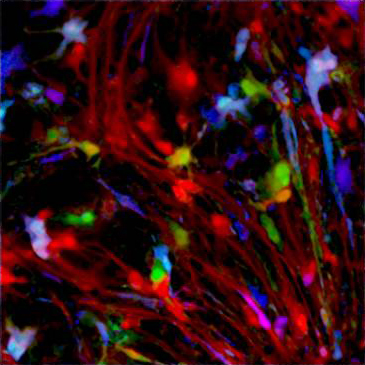
Philadephia: Studying brain disorders in people and developing drugs to treat them has been slowed by the inability to investigate single living cells from adult patients. In a first-of-its-kind study published in Cell Reports this week, a team from the Perelman School of Medicine at the University of Pennsylvania led by James Eberwine, PhD, a professor of Pharmacology, Sean Grady, MD, chair of Neurosurgery, and Junhyong Kim, PhD, a professor of Biology in Penn’s School of Arts & Sciences, was able to grow adult human neurons donated from patients who had undergone surgery. From these cell cultures, they identified more than five brain cell types and the potential proteins each cell could make. “We were surprised that we could grow these neurons at all,” Eberwine said.
Subscribe to:
Posts (Atom)


