 TheConversation: Half of Australian infants have received at least one course of antibiotics by their first birthday. This is one of the highest rates of antibiotic use in the world. Although antibiotics are effective and potentially life-saving for
bacterial infections in children, they are often prescribed for viral
infections, for which they are ineffective. Unnecessary antibiotics expose individual children to potential side
effects, including diarrhoea, vomiting, rashes and allergic reactions. The overuse of antibiotics also increases the risk of bacterial resistance
in the wider community. This is when commonly used antibiotics become
ineffective against some bacteria, making it difficult, or even
impossible, to treat some infections.
TheConversation: Half of Australian infants have received at least one course of antibiotics by their first birthday. This is one of the highest rates of antibiotic use in the world. Although antibiotics are effective and potentially life-saving for
bacterial infections in children, they are often prescribed for viral
infections, for which they are ineffective. Unnecessary antibiotics expose individual children to potential side
effects, including diarrhoea, vomiting, rashes and allergic reactions. The overuse of antibiotics also increases the risk of bacterial resistance
in the wider community. This is when commonly used antibiotics become
ineffective against some bacteria, making it difficult, or even
impossible, to treat some infections.
Showing posts with label pregnancy. Show all posts
Showing posts with label pregnancy. Show all posts
Saturday, June 30, 2018
Antibiotics before birth and in early life can affect long-term health
TheConversation: Half of Australian infants have received at least one course of antibiotics by their first birthday. This is one of the highest rates of antibiotic use in the world. Although antibiotics are effective and potentially life-saving for
bacterial infections in children, they are often prescribed for viral
infections, for which they are ineffective. Unnecessary antibiotics expose individual children to potential side
effects, including diarrhoea, vomiting, rashes and allergic reactions. The overuse of antibiotics also increases the risk of bacterial resistance
in the wider community. This is when commonly used antibiotics become
ineffective against some bacteria, making it difficult, or even
impossible, to treat some infections.Wednesday, June 27, 2018
Kids at higher risk of autism if mum has diabetes

No evidence that vitamin D protects against high blood pressure in pregnancy
BMJ: There is no strong evidence that vitamin D protects against
pregnancy-induced high blood pressure (hypertension) or pre-eclampsia,
conclude researchers in The BMJ today. The findings support current World Health Organization guidance that
evidence recommending vitamin D supplements for women during pregnancy
to reduce adverse pregnancy outcomes is insufficient. However, in many
countries, including the UK and the US, pregnant women are advised to
take a daily dose of vitamin D.
Sunday, June 17, 2018
Pregnancy Drug DES Linked to ADHD in Users’ Grandchildren

Thursday, May 31, 2018
Autism not linked to eating fish during pregnancy – large new study
 The Conversation: Eating fish while you’re pregnant does not increase the chance that your child will be autistic or have autistic traits, our latest study shows. In fact, our study suggests that fish may be beneficial for the development of a healthy nervous system. A possible link between mercury exposure and autism has been the subject of much debate
over the years. In pregnancy, mercury travels in the mother’s blood
through the placenta and into the foetus, where it acts as a toxin,
affecting the development of the foetal nervous system.
The Conversation: Eating fish while you’re pregnant does not increase the chance that your child will be autistic or have autistic traits, our latest study shows. In fact, our study suggests that fish may be beneficial for the development of a healthy nervous system. A possible link between mercury exposure and autism has been the subject of much debate
over the years. In pregnancy, mercury travels in the mother’s blood
through the placenta and into the foetus, where it acts as a toxin,
affecting the development of the foetal nervous system.
Wednesday, May 16, 2018
Prenatal exposure to endocrine disruptors and behavioral problems in children
 INSERM: An epidemiological study carried out by Inserm on families
from the EDEN cohort (500 boys born between 2003 and 2006 and their
mothers) shows that exposure during pregnancy to certain phenols and
phthalates is associated with behavioral problems in boys between 3 and 5
years of age. The most worrying compounds in this
respect are bisphenol A, triclosan and dibutyl phthalate (DBP). The
results of this study have recently been published in Environmental Health Perspectives.
INSERM: An epidemiological study carried out by Inserm on families
from the EDEN cohort (500 boys born between 2003 and 2006 and their
mothers) shows that exposure during pregnancy to certain phenols and
phthalates is associated with behavioral problems in boys between 3 and 5
years of age. The most worrying compounds in this
respect are bisphenol A, triclosan and dibutyl phthalate (DBP). The
results of this study have recently been published in Environmental Health Perspectives.Monday, May 7, 2018
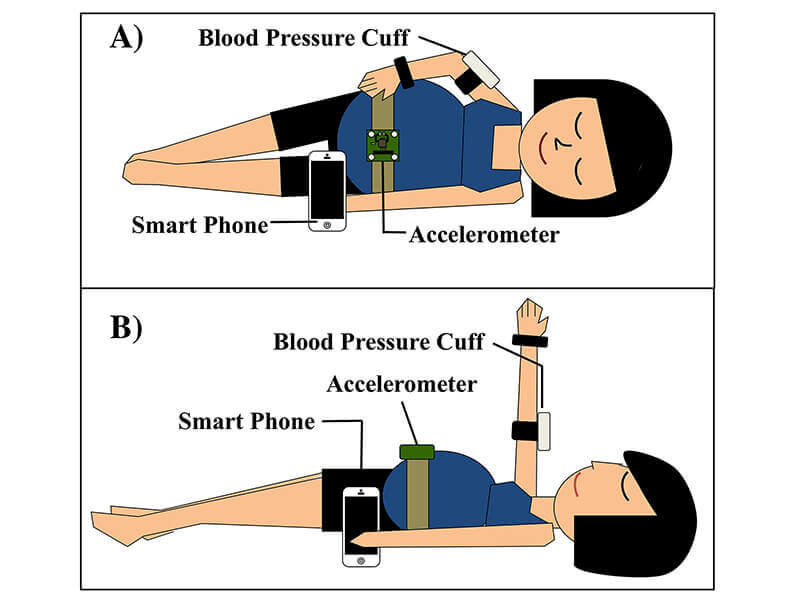
Researchers developing device to enable pregnant women to detect serious health complications
Friday, May 4, 2018
Elevated blood pressure before pregnancy may increase chance of pregnancy loss
NIH: Elevated blood pressure before conception may increase the chances
for pregnancy loss, according to an analysis by researchers at the
National Institutes of Health. The authors conclude that lifestyle
changes to keep blood pressure under control could potentially reduce
the risk of loss. The study appears in Hypertension. The analysis found that for every 10 mmHg increase in diastolic blood
pressure (pressure when the heart is resting between beats), there was
an 18-percent-higher risk for pregnancy loss among the study population.
Millimeter of mercury, or mmHg, is the unit of measure used for blood
pressure. The researchers also found a 17 percent increase in pregnancy
loss for every 10 mmHg increase in mean arterial pressure, a measure of
the average pressure in the arteries during full heart beat cycles. The
study was conducted by researchers at the Eunice Kennedy Shriver National Institute of Child Health and Human Development (NICHD).
Saturday, April 28, 2018
Fetal exposure to moderate/high caffeine levels linked to excess childhood weight gain
BMJ: Exposure
to moderate to high caffeine levels while in the womb is linked to
excess weight gain in early childhood, suggests a large observational
study published in the online journal BMJ Open.
The
findings, which back general advice to limit caffeine intake while
pregnant, prompt the researchers to query whether mums-to-be should cut
out the world’s most widely consumed central nervous system stimulant
altogether.
Wednesday, March 8, 2017
Survival rate may be improving for extremely preterm infants

Extreme temperatures may increase risk for low birth weight at term, study suggests

No benefit in treating mildly low thyroid function in pregnancy, study find

Tuesday, March 7, 2017
Animal Study Suggests Alcohol Use Before Pregnancy May Increase Vulnerability of Offspring to Stress in Adulthood

Friday, March 3, 2017
Monitoring pregnant women at home for detecting preterm labour
Cochrane: Babies
who are born too early are more likely to become ill or die. If preterm
labour is detected, treatment can start to slow down or stop labour.
This also gives time for treatment to improve the baby’s breathing at
birth. Increased contractions can be a sign of labour starting early. Many women do not recognise these contractions in time for treatment. Pregnant women at risk of giving birth early could use a monitoring device at home. This would send data to the hospital, and help doctors and midwives to detect and treat preterm labour.
Thursday, March 2, 2017
No increased risks to newborns linked to taking influenza drugs during pregnancy
BMJ: A study published by The BMJ
today finds no increased risks to newborn babies if their mothers have
taken drugs to prevent or treat influenza during pregnancy. This
is the largest study to date to assess potential risks of taking
antiviral drugs (known as neuraminidase inhibitors) during pregnancy and
the results support previous findings. Seasonal
influenza occurs every year and millions of pregnant women risk severe
illness during seasons with a more aggressive strain.
Wednesday, March 1, 2017
Aspirin may help increase pregnancy chances in women with high inflammation, study finds
NIH: A daily low dose of aspirin may help a subgroup of women, those who
have previously lost a pregnancy, to successfully conceive and carry a
pregnancy to term, according to an analysis by researchers at the
National Institutes of Health. The women who benefited from the aspirin
treatment had high levels of C-reactive protein (CRP), a substance in
the blood indicating system-wide inflammation, which aspirin is thought
to counteract. The study appears in the Journal of Clinical
Endocrinology and Metabolism.
Tuesday, February 28, 2017
Fathers can get new baby depression too

The study found that expectant fathers were at risk if they felt stressed or were in poor health. Elevated depression symptoms following their child’s birth were linked to social and relationship problems.
The study, published today in the Journal of the American Medical Association Psychiatry investigated depression symptoms in more than 3,500 New Zealand men during the third trimester of their partner’s pregnancy and again nine months after their child’s birth.
Monday, February 27, 2017
Autism Risk Linked to Herpes Infection During Pregnancy

Thursday, February 23, 2017
Schizophrenia linked to mother’s low weight during pregnancy

Tuesday, February 21, 2017
Scheme’s success at stopping mums-to-be smoking
 Newcastle: Pregnant women are almost twice as likely to quit smoking if they are
supported from their first midwife appointment – and then are more
likely to have heavier, healthier babies. Newcastle University researchers evaluated the “BabyClear” programme which follows the National Institute for Health and Care Excellence (NICE) guidance around smoking in pregnancy by screening all pregnant women for smoking using carbon monoxide monitoring.
Newcastle: Pregnant women are almost twice as likely to quit smoking if they are
supported from their first midwife appointment – and then are more
likely to have heavier, healthier babies. Newcastle University researchers evaluated the “BabyClear” programme which follows the National Institute for Health and Care Excellence (NICE) guidance around smoking in pregnancy by screening all pregnant women for smoking using carbon monoxide monitoring.
Subscribe to:
Posts (Atom)