MedicalResearch: The poliovirus receptor (CD155) is an onco-fetal cell adhesion
molecule with widespread expression in all solid tumors and particularly
in primary CNS tumors (adult and pediatric). Recombinant nonpathogenic polio–rhinovirus chimera (PVSRIPO) was
generated by replacing a critical piece of the genetic information from
the Sabin type 1 polio vaccine, making PVSRIPO incapable of harming or
killing normal brain cells, but toxic/lethal in cancer cells. In
preclinical models, it has been demonstrated that the infection of tumor
cells, leads to the release of danger signals, which triggers a
recruitment of dendritic/CD4/CD8 T cells and a destruction of tumor
cells by anti-tumor T cells.
Showing posts with label glioblastoma. Show all posts
Showing posts with label glioblastoma. Show all posts
Wednesday, June 27, 2018
Wednesday, May 16, 2018
NEW GENES INVOLVED IN BRAIN TUMORS

ICM: A large-scale genetic study that ICM
researchers took part in, within an international consortium, highlights
the relationship between genetic profiles of patients and varying
susceptibility to different types of brain tumors. Gliomas represent roughly 27% of primitive brain tumors, meaning
tumors that originate directly within the brain. They are split up into
two main categories: glioblastomas, the most aggressive (high-grade
gliomas), and low-grade gliomas. Despite current treatment options
including chemotherapy, radiotherapy and surgery, glioma prognosis is
generally poor. A better understanding of tumor development is crucial.
Monday, April 24, 2017
Immunotherapy for Glioblastoma Well Tolerated; Survival Gains Observed

Wednesday, April 12, 2017
Personalized Cell Therapies Show More Promise in Solid Tumors
Pennsylvania: Investigational “hunter” immune cells engineered to seek out and
attack a deadly brain cancer known as glioblastoma (GBM) infiltrated
patients’ tumors and triggered thousands of more T cells once inside,
researchers from Penn Medicine reported in a late breaking abstract at the AACR Annual Meeting 2017 (Abstract LB-053).
The findings are among the results from three studies being presented
on chimeric antigen receptor (CAR) therapy with T cells and a newer
approach known as CARMA, which successfully pitted engineered
macrophages against breast and ovarian tumors.
Wednesday, February 15, 2017
Glioblastoma: An Innovative Triple Combination Treatment Might Improve Outcomes
Wednesday, January 25, 2017
Researchers discover potential new target for treating glioblastoma
 Southwestern: Scientists have found a way to inhibit the growth of glioblastoma, a
type of brain cancer with low survival rates, by targeting a protein
that drives growth of brain tumors, according to research from the Peter
O’Donnell Jr. Brain Institute and Harold C. Simmons Comprehensive
Cancer Center. “These findings change our fundamental understanding of the molecular
basis of glioblastoma, and how to treat it,” said co-senior author Dr. Robert Bachoo, Associate Professor of Neurology and Neurotherapeutics, Internal Medicine, and with the Annette G. Strauss Center for Neuro-Oncology at UT Southwestern Medical Center. “We may have identified a set of critical genes we can target with drugs that are shared across nearly all glioblastomas.” The study, published in Cell Reports, represents research from UT Southwestern’s precision medicine campaign in neuro-oncology.
Saturday, January 14, 2017
Glioblastoma: An Innovative Triple Combination Treatment Might Improve Outcomes
Monday, June 8, 2015
Nanotechnology drug delivery approaches for the treatment of glioblastoma
Tuesday, June 2, 2015
Study Finds That Less Is More For Brain Cancer
Monday, May 25, 2015
Discovery of biomarker offers hope for brain cancer patients

Saturday, February 21, 2015
A dog lives on; now the stage is being set for treating humans
Virginia Tech. US: The National Cancer Institute awarded Scott Verbridge, an assistant professor of biomedical engineering and mechanics, a $386,149 research grant to move a glioblastoma treatment a step closer to being used on humans.
Wednesday, February 18, 2015
A Nano-Sized Weapon Against Brain Tumors
Las Vegas University. US: A new, nanoparticle-based drug delivery system being developed by health
physics professor Steen Madsen offers new treatment for glioblastoma.
Thursday, February 5, 2015
Glioblastoma: Three Genes Tied to Radiation Resistance in Recurrent Tumors
Ohio University. US: The lethal brain cancer glioblastoma multiforme (GBM) frequently recurs after treatment and patients have an average survival of less than two years. This study identified three genes that play key roles in enabling certain GBM cells to survive radiation therapy. The findings suggest that blocking one or more of these genes might offer an effective new treatment for recurrent, treatment-resistant GBM.
Sunday, January 11, 2015
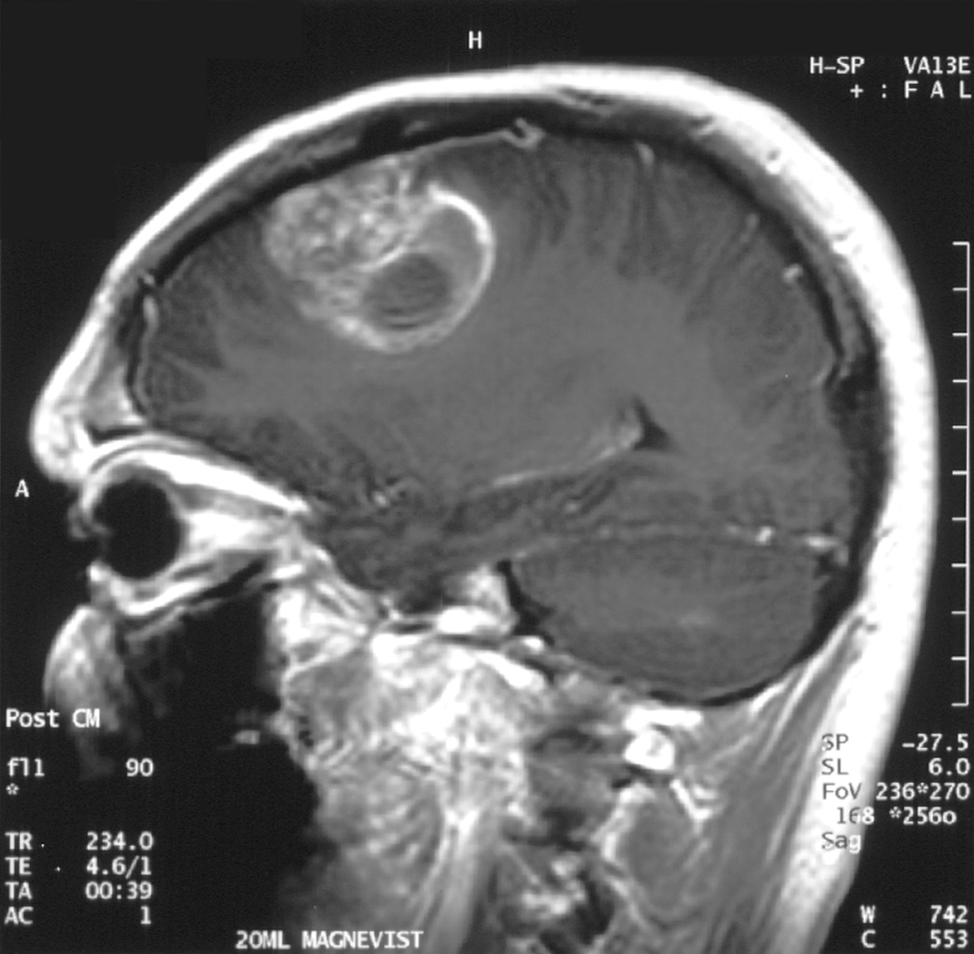
Glioblastoma

Frequency is estimated at 1/100,000. They may occur at any age, but 70% of cases are seen in patients between 45 and 70 years of age. The tumors are usually located in the brain hemispheres, but can be found anywhere in the central nervous system.
Subscribe to:
Posts (Atom)