Showing posts with label work. Show all posts

Wednesday, June 27, 2018

Workplace interventions (methods) for reducing time spent sitting at work

Cochrane: Time spent sitting and being physically inactive at work has increased in recent decades. Long periods of sitting may increase the risk of obesity, heart disease, and premature death. It is unclear whether interventions that aim to reduce sitting at workplaces are effective. We wanted to find out the effects of interventions aimed at reducing sitting time at work. We searched the literature in various databases up to 9 August 2017.

Wednesday, January 25, 2017

Low levels of manganese in welding fumes linked to neurological problems

Saint-Louis: Manganese-containing welding fumes cause neurological problems at estimated levels under federal safety limits, according to research from Washington University School of Medicine in St. Louis. The findings suggest that current allowable limits for manganese exposure are not adequately protecting welders from the dangers of the job. Welders exposed to airborne manganese at estimated levels below federal occupational safety standards exhibit neurological problems similar to Parkinson’s disease, according to new research at Washington University School of Medicine in St. Louis. Further, the more they are exposed to manganese-containing welding fumes, the faster the workers’ signs and symptoms worsen.

Friday, December 23, 2016

Opioids and Stimulants Misuse: What Does Employment Have to Do With It?

Columbia: Researchers at Columbia University’s Mailman School of Public Health found that employment status is a factor in nonmedical use of prescription opioids and prescription stimulants. Unemployed workers had the highest risk of misusing prescription opioids, and those out of the workforce entirely were most at risk for misusing prescription stimulants. The study is among the first to analyze the relationship between employment status and nonmedical prescription drug-users over the age of 25 and show how social characteristics influence nonmedical prescription drug use. The findings are published online in the journal Social Psychiatry and Psychiatric Epidemiology.

Sunday, November 13, 2016

Being fit Protects Against Health Risks Caused by Stress at Work
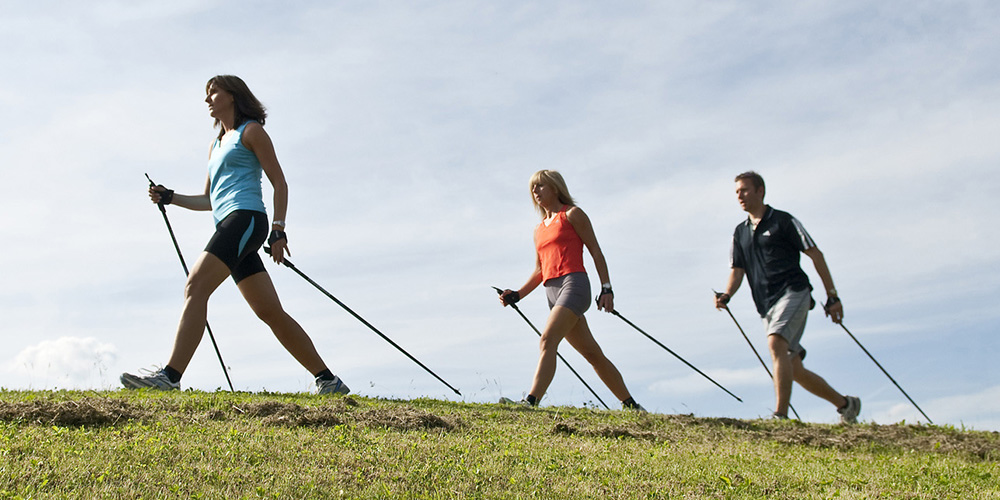
Basel: It is a well-known fact that fitness and well-being go hand in hand. But being in good shape also protects against the health problems that arise when we feel particularly stressed at work. As reported by sports scientists from the University of Basel and colleagues from Sweden, it therefore pays to stay physically active, especially during periods of high stress. Psychosocial stress is one of the key factors leading to illness-related absences from work. This type of stress is accompanied by impaired mental well-being and an increase in depressive symptoms. It also raises the likelihood of cardiovascular risk factors such as high blood pressure and an unfavorable blood lipid profile. Conversely, a high fitness level is associated with fewer depressive symptoms and fewer cardiovascular risk factors.

Tuesday, November 8, 2016

Genetic cause for shift work fatigue discovered

Helsinki: Some people adapt easily to shift work, but not everyone can handle constant disruptions to their daily rhythm. Finnish researchers have now found that a melatonin receptor gene influences tolerance to shift work. Published in the journal Sleep, the new study is the first time the genetic factors underlying poor tolerance to shift work were systematically examined. Covering the entire genome, the study discovered that a common variation in the melatonin receptor 1A (MTNR1A) gene is linked to the job-related exhaustion experienced by shift workers.

Thursday, July 2, 2015

For Job Interviews, Earlier in the Day May Be Better

Psychological Science: During a job interview, many applicants worry that their professional fate rests in the first few moments of the interview. After a few minutes—or even seconds—the interviewer has sized them up and arrived at a decision. But new research suggests that there may be a different factor for job candidates to worry about: timing. Data gathered by psychological scientists Rachel Frieder (Old Dominion University), Chad Van Iddekinge (Florida State University), and Patrick Raymark (Clemson University) challenge the common belief that interviewers rely on near-instantaneous snap judgements. Instead, their research suggests that a successful interview may depend on your place in the interview schedule.

Saturday, June 13, 2015

Pride and Prejudice: Reducing LGBT Discrimination at Work

Psychological Science: In 29 states in the US, it’s still legal to fire someone—or not hire them at all—based solely on their sexual orientation. Although mainstream support for LGBT individuals has been steadily growing, workplace discrimination still poses a serious career challenge for many. Research from APS Board Member Michelle “Mikki” Hebl of Rice University and Laura Barron of the US Air Force Management Policy Division indicates that anti-discrimination laws can not only help protect LGBT people from unfair employment practices, these laws can also dramatically improve the way people are treated by their colleagues.

Tuesday, June 9, 2015

Taking a stand at work is good for your health – in more ways than one

TheConversation: Standing up at work can be good for your health. That is the finding of recent research which links standing-based work to improved health outcomes. It follows numerous other studies that show how our sedentary work habits may be killing us. The latest research, co-commissioned by Public Health England, looked at the health effects of prolonged periods of sitting in offices. It found that workers who sit at their desks for long periods are at increased risk of various physical illnesses, including cardiovascular disease, diabetes, and certain types of cancer. Sitting down for long hours can potentially lead to premature death.
The solution?

Wednesday, June 3, 2015

Testing at work and nightclubs unlikely to reduce ice demand

TheConversation: The chairman of the Australian Northern Territory’s parliamentary inquiry into crystal methamphetamine, Nathan Barrett MP, has advocated for random drug testing of private and public sector workers as well as nightclub goers. Mr Barrett also noted a preference for civil penalties, such as fines, over criminal charges for users who test positive.

Tuesday, June 2, 2015

Office workers, stand up from your desk for two hours a day

TheConversation: We’ve known for some time that too much sitting increases your risk of diabetes, certain cancers, heart disease and early death. But until now it’s been unclear how much standing during the work day may counter this increased risk. Guidelines published today in the British Journal of Sports Medicine urge employers to changes their workplace culture and social norms around the sedentary office. It recommends desk-based office workers spend at least two hours of their working day standing or moving, and to gradually progress to four hours.

Saturday, May 30, 2015

Interventions for improving employment outcomes for workers with HIV

Cochrane: For people living with HIV(HIV+), losing their job can make it even harder to cope with the illness. This review aimed to assess how we can prevent HIV+ people from losing their jobs or help them return to work. There are three approaches to achieve these aims. The first one is to use drugs, meaning antiretroviral therapy, to keep the disease and its symptoms from getting worse. The second is to make changes to work tasks or the work environment. The third is to offer psychological support to help the HIV+ person cope better with their condition, especially at work.

Many people with Multiple Sclerosis who could work and want to work are not doing so

Adelaide: The University of Adelaide is leading a world-first study into how to help people with multiple sclerosis (MS) adapt, adjust and return to work.  Dr Diana Dorstyn, clinical psychologist and University of Adelaide researcher, says many people with MS who could work and want to work are not doing so because of misconceptions surrounding the illness and difficulties accessing available employment services. “MS affects over 23,000 Australians and symptoms vary considerably from person-to-person. Symptoms may occur in isolated attacks (relapsing forms) or worsen over time (progressive forms); however some individuals may have partial or complete recovery (remissions) between attacks,” says Dr Dorstyn.

Friday, May 29, 2015

Flexible reduced-load work arrangements can help companies save money and prevent burnout

Purdue: Although it may seem counter-intuitive for companies to support reducing workloads for professionals, new research by Ellen Kossek of Purdue University's Krannert School of Management highlights the benefits to business and keys to making such work arrangements successful. Reduced-load work allows a professional to shorten his or her hours, decrease workload and take a commensurate pay cut while actively remaining on a career path, said Kossek, the Basil S. Turner Professor of Management and research director of the Susan Bulkeley Butler Center for Leadership.

People who are paid hourly are far less likely to recycle and engage in environmentally friendly behaviors

PsychologicalScience: A new study demonstrates that the way we’re paid—not just how much—can exert a disturbing influence on our willingness to recycle. Even though recycling a soda can or a piece of paper takes just a few seconds, psychological scientists Ashley Whillans and Elizabeth Dunn of the University of British Columbia found that people are far less likely to engage in these sorts of “green” behaviors when they are paid by the hour rather than salaried.

Friday, May 22, 2015

Flying high means more melanoma

JAMA: US scientists have pooled data from previous studies on the incidence of melanoma in airline pilots and flight crew, who are are exposed to higher levels of cosmic and UV radiation than the general population. They report that flight crew have approximately twice the incidence of melanoma compared with the general population, and say that further research into better protection from cosmic radiation is needed. According to a recent study, airline pilots and cabin crew are occupationally exposed to higher levels of cosmic and UV radiation than the general population, but their risk of developing melanoma was not yet established.

Monday, May 18, 2015

The epidemic of burnout, depression and suicide in medicine: One doctor’s story


TheConversation: The suicides of two medical residents in New York City last fall have thrown a spotlight on a real problem among health care professionals, particularly physicians. Medical students, residents and practicing physicians commonly report symptoms of burnout and depression. Rates vary depending on the group, but range from 20-60%. Frank suicidal ideations (when someone has serious thoughts or plans about suicide) are reported in 5-10% of physicians.

Workers exposed to cancer-causing agents deserve compensation

TheConversation: Unlike workplace accidents, where injuries can be relatively quickly assessed and compensation awarded, it can take years or many decades before work-related cancers are diagnosed.
There is no doubt some exposures in the past have left workers with a cancer diagnosis that would not have otherwise occurred. Sometimes that happened before the link between the exposure and cancer was clearly understood, such as the early asbestos miners.

Monday, May 11, 2015

Leave the car at home to stay in shape

Scimex: Switching from driving to work to using public transport, walking, or cycling might help commuters shed weight within a couple of years, suggests research published online in the Journal of Epidemiology & Community Health. Given that car use is high, the findings strengthen the case for incentivising walking or cycling to boost population health, suggest the researchers. They base their findings on the responses of the British Household Panel Survey (BHPS). The BHPS is a long term annual study of a representative sample of adult Britons which began in 1991-2. In the first analysis, which included 3269 respondents, 179 people had stopped driving to work and were either walking or cycling (109) or taking public transport (70).
The 'switchers' tended to be younger and less likely to have access to a car than those who continued to drive. Those who chose to walk or cycle instead tended to have a lower household income and a shorter commute—which became shorter still after making the switch—while those who opted for public transport were significantly more likely to be more highly educated.

Thursday, May 7, 2015

Better Get to Work: Procrastination May Harm Heart Health

Psychological Science: Even with a deadline looming and a pile of work, many people still find themselves wasting time checking social media or reading up on the latest sports scores. For businesses, procrastination can take a serious toll on productivity; for employees, wasting too much time can ruin deadlines as well as relationships. New evidence suggests that procrastination doesn’t just hurt your work, it may also seriously damage your health.

Monday, May 4, 2015

At least one in three Europeans can be exposed to asbestos at work and in the environment

WHO: About one third of the 900 million people in the WHO European Region live in countries that have not yet banned the use of all forms of asbestos, and this potentially exposes them at work and in the environment. In countries where asbestos is banned, exposure persists from past use. Exposure to asbestos can cause cancer of the lungs, ovaries and larynx; mesothelioma; and asbestosis and the most efficient way to eliminate these diseases is to stop the use of all types of asbestos. At its closure, the high-level meeting on environment and health in Haifa, Israel, urgently calls upon all European countries to eliminate asbestos-related diseases.