Showing posts with label pesticide. Show all posts

Thursday, June 11, 2015

Impact of environmental exposure to insecticides on the cognitive development of 6 year old children

INSERM: In an article published in the journal Environment International, researchers from Inserm (Inserm Unit 1085 – IRSET, the Institute of Research in Environmental and Occupational Health, Rennes), in association with the Laboratory for Developmental and Educational Psychology, LPDE (Rennes 2 University), provide new evidence of neurotoxicity in humans from pyrethroid insecticides, which are found in a wide variety of products and uses. An increase in the urinary levels of two pyrethroid metabolites (3-PBA and cis-DBCA) in children is associated with a significant decrease in their cognitive performances, particularly verbal comprehension and working memory. This study was carried out on nearly 300 mother and child pairs from the PELAGIE cohort (Brittany). 

Wednesday, April 15, 2015

Action to Protect the Public from OxiTitan, an Unregistered Pesticide
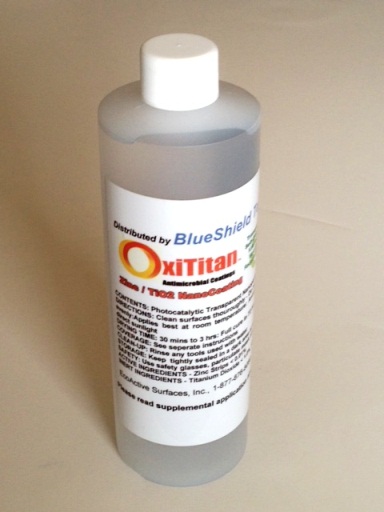
U.S. Environmental Protection Agency (EPA) has issued an order to EcoActive Surfaces, Inc. to stop the sale, use or removal of “OxiTitan.” The order includes other trade names such as “Bio Defender OxiTitan Anti-Microbial Treatment,” and any related products containing the same formulation. OxiTitan is being marketed by these companies for use in sites that include hospitals and schools. The companies claim in advertisements and labeling that OxiTitan uses zinc nanoparticle as an active ingredient, to reduce and/or kill bacteria, viruses and fungi. The companies also make unsubstantiated efficacy claims that “OxiTitan” can last for 24 hours, 7 days a week, and as long as a year against harmful microorganisms and viruses when applied. Such public health claims can only be made on products that have been properly tested and are registered with the EPA.

Tuesday, April 7, 2015

Pesticides in fruits and vegetables could harm sperm

Harvard: The presence of high levels of pesticides in fruits and vegetables can affect sperm quality. This is the conclusion of a study by US scientists published in the journal "Human Reproduction". This not only leads to reduced sperm count, but the amount of normally formed sperm is also reduced. Harvard University researchers analyzed 338 semen samples from 155 men who had visited a fertility clinic between 2007 and 2012. They also assessed their consumption of fruits and vegetables, and classified the pesticide content of these foods on the basis of national data. How foods were prepared (washed, peeled...) was also taken into account.

Wednesday, March 25, 2015

Herbicides can cause bacteria to become resistant

Canterbury: Research lead by a team from the University of Canterbury has found that commonly used herbicides can cause bacteria to become resistant to antibiotics. Herbicides are used to kill plants. They can be tested for killing bacteria, too, as part of the process of reviewing their approval for use. However, they have never been tested for other effects on bacteria.

Friday, February 13, 2015

ANSES launches its Pesti’home study of domestic pesticide use in Guadeloupe, Martinique and Réunion Island

ANSES France: On 6 February 2015, the French Agency for Food, Environmental and Occupational Health & Safety (ANSES) will launch its Pesti'home study, conducted by the French Observatory for Pesticide Residues (ORP), in Guadeloupe, Martinique and Réunion Island. The aim of this study, which covers the entire country, is to gain better understanding of domestic uses of products designed to eliminate pests in and around the home. It is the first study on this topic and its results will help better assess exposure of the French population to pesticides.