BMJ: Severe
eczema in adults is associated with a moderately increased risk of
cardiovascular problems (conditions affecting the heart and blood
vessels) including heart attacks, stroke, and irregular heart rate,
finds a UK study published by The BMJ today. This
is the largest study to date to assess the association between atopic
eczema and major cardiovascular events, and the researchers say their
findings support the consideration of targeted screening and focus on
prevention strategies among these patients.
Showing posts with label eczema. Show all posts
Showing posts with label eczema. Show all posts
Wednesday, June 27, 2018
Friday, May 4, 2018
Bacteria therapy for eczema shows promise in study

Wednesday, March 1, 2017
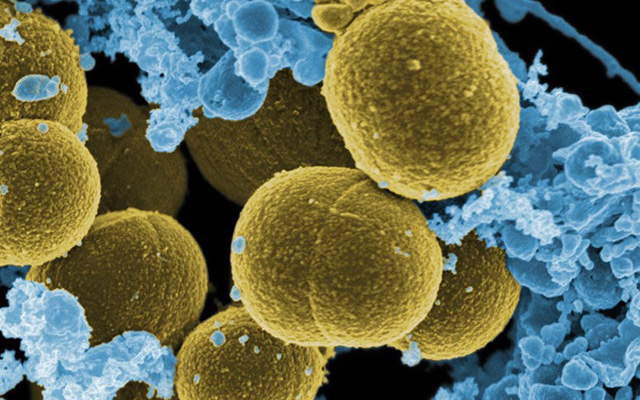
Transplanting Good Bacteria to Kill Staph
Monday, February 23, 2015
Eczema Medication Unlikely to Increase Risk of Cancer in Children
Pennsylvania University. US: The topical eczema medicine pimecrolimus appears unlikely to be
associated with an increased risk of cancer in children, based on a
group of children who were followed for 10 years, according to study published online this week in JAMA Dermatology.
Tuesday, January 20, 2015
House dust mite reduction and avoidance measures for treating eczema
Cochrane: Eczema
is an intensely itchy skin disease that tends to involve skin creases,
such as the folds of the elbows or knees. It is a worldwide problem
affecting 5% to 20% of children. Around 2% of adults have the condition,
and many have a more chronic
and severe form. As many as a third of people with eczema who have a
positive test for allergy to house dust mite have reported worsening of
eczema or respiratory symptoms when exposed to dust.
Wednesday, May 9, 2012
Eczema
Definition:
Eczema is a skin condition characterized by dry, red, and itchy patches on the skin. Eczema is associated with asthma and allergy, though allergy rarely plays a role in development or severity of eczema. Eczema usually begins during infancy, typically on the face, scalp, neck, extensor sides of the forearms, and legs. Up to one in five infants develops eczema, but in more than half of them, the condition improves or disappears completely before they are 15 years old.
Eczema is a skin condition characterized by dry, red, and itchy patches on the skin. Eczema is associated with asthma and allergy, though allergy rarely plays a role in development or severity of eczema. Eczema usually begins during infancy, typically on the face, scalp, neck, extensor sides of the forearms, and legs. Up to one in five infants develops eczema, but in more than half of them, the condition improves or disappears completely before they are 15 years old.
Wednesday, April 4, 2012
Eczema
Author: Dr Bryan Cho University of California SF
2009-01-22
Eczema: Atopic Dermatitis. Eczema is a common skin problem.
Eczema: Atopic Dermatitis. Eczema is a common skin problem.
Eczema
is a common skin disorder that affects about one of every ten children.
The condition can occur at any age but is most common in infants and
young adults. Eczema occurs in all races. Ninety percent of patients who
will develop eczema will have symptoms by five years of age;
ninety-five percent by fifteen years of age. There is no single lab test
or biopsy that will diagnose eczema. The diagnosis is based upon the
appearance and symptoms of the skin rash, as well as whether related
medical conditions, such as hay fever or asthma, are present in the
patient or the patient’s family members.
Subscribe to:
Posts (Atom)