 Maastricht: Scientists
from the MERLN Institute, associated with Brightlands, and the Hubrecht
Institute (KNAW) have successfully created in the laboratory
embryo-like structures from mouse stem cells. These model embryos
resemble natural ones to the extent that, for the first time, they
implant into the uterus and initiate pregnancy. This radically new
method opens the door to understanding the first and hidden processes of
life, problems of infertility, or the embryonic origin of diseases.
This scientific breakthrough has been published in Nature.
Maastricht: Scientists
from the MERLN Institute, associated with Brightlands, and the Hubrecht
Institute (KNAW) have successfully created in the laboratory
embryo-like structures from mouse stem cells. These model embryos
resemble natural ones to the extent that, for the first time, they
implant into the uterus and initiate pregnancy. This radically new
method opens the door to understanding the first and hidden processes of
life, problems of infertility, or the embryonic origin of diseases.
This scientific breakthrough has been published in Nature.
Showing posts with label biology. Show all posts
Showing posts with label biology. Show all posts
Wednesday, June 20, 2018
Forming model embryos from stem cells in the lab
Maastricht: Scientists
from the MERLN Institute, associated with Brightlands, and the Hubrecht
Institute (KNAW) have successfully created in the laboratory
embryo-like structures from mouse stem cells. These model embryos
resemble natural ones to the extent that, for the first time, they
implant into the uterus and initiate pregnancy. This radically new
method opens the door to understanding the first and hidden processes of
life, problems of infertility, or the embryonic origin of diseases.
This scientific breakthrough has been published in Nature.Wednesday, May 23, 2018
Natural killer cells have a memory
.jpg/1280px-Human_Natural_Killer_Cell_(29120480442).jpg)
Bonn: Researchers at the Universities of Bonn and Munich decode an autoimmune mechanism. Researchers at the University of Bonn and the
Ludwig-Maximilians-Universität of Munich have decoded a new mechanism of
how the immune system can specifically attack pigmented cells of the
skin. It was previously believed that so-called natural killer cells did
not have an immunological memory for the body's own tissues. However,
the scientists have now been able to show that these special immune
cells can indeed “remember” pigmented cells when they come into more
frequent contact with a specific contact allergen. These results may
provide new insights into the development of the skin-depigmenting
disease vitiligo but may also offer new options for the treatment of
malignant melanoma. These results have now been published in the
renowned scientific journal “Immunity”.
Targeting cancer cells with sugars
 Munich: Globally, cancer is the second
leading cause of death, also because the efficiency of chemotherapeutics
is inadequate due to poor delivery to the tumor. Prof. Olivia Merkel
and her team develop targeted nanocarrier systems to increase the
delivery rates of therapeutic formulations and their specific uptake
into the target cells. In the treatment of cancer, there are still several
limitations. Especially the delivery of sufficient amounts of active
chemotherapeutic drug is difficult.
Munich: Globally, cancer is the second
leading cause of death, also because the efficiency of chemotherapeutics
is inadequate due to poor delivery to the tumor. Prof. Olivia Merkel
and her team develop targeted nanocarrier systems to increase the
delivery rates of therapeutic formulations and their specific uptake
into the target cells. In the treatment of cancer, there are still several
limitations. Especially the delivery of sufficient amounts of active
chemotherapeutic drug is difficult. Wednesday, May 16, 2018
Clever bacteria put human ingenuity to the test
 INSERM: How do bacteria manage to infect our body? What tactics do
they use to slip through the cracks in our immune system? This is what
the team of Thomas Henry, Inserm researcher, and his coworkers from the
CNRS of Claude Bernard Lyon 1 University and the École Normale
Supérieure de Lyon grouped within the International Center for
Infectiology Research (CIRI) are trying to elucidate. In a paper
published in Nature Communication,
the researchers studied a key component in the escape mechanism of
bacteria and found, in humans, the major player involved in its
detection.
INSERM: How do bacteria manage to infect our body? What tactics do
they use to slip through the cracks in our immune system? This is what
the team of Thomas Henry, Inserm researcher, and his coworkers from the
CNRS of Claude Bernard Lyon 1 University and the École Normale
Supérieure de Lyon grouped within the International Center for
Infectiology Research (CIRI) are trying to elucidate. In a paper
published in Nature Communication,
the researchers studied a key component in the escape mechanism of
bacteria and found, in humans, the major player involved in its
detection.Sunday, May 13, 2018
A cartoon to explain a cell's life, and the science behind

Wednesday, May 2, 2018
How liver regenerate itself
 Stanford: A subset of liver cells
with high levels of telomerase renews the organ during normal cell
turnover and after injury, according to Stanford researchers. The cells
may also give rise to liver cancer. Liver stem cells that express high levels of telomerase, a protein
often associated with resistance to aging, act in mice to regenerate the
organ during normal cellular turnover or tissue damage, according to a
study by researchers at the Stanford University School of Medicine.
Stanford: A subset of liver cells
with high levels of telomerase renews the organ during normal cell
turnover and after injury, according to Stanford researchers. The cells
may also give rise to liver cancer. Liver stem cells that express high levels of telomerase, a protein
often associated with resistance to aging, act in mice to regenerate the
organ during normal cellular turnover or tissue damage, according to a
study by researchers at the Stanford University School of Medicine.
Saturday, April 28, 2018
Are tumor cells glutamine addicts?
EMBO: Most cancers require large amounts of glutamine for rapid growth and
there are numerous studies indicating that they cannot survive without
it, a phenomenon termed “glutamine addiction”. This has fueled the idea
that preventing tumors from glutamine uptake could be a potential
therapeutic strategy. A study by researchers from Berlin and Würzburg,
Germany, now concludes that while glutamine deprivation will halt the
proliferation of certain tumor cells, most of them will not be killed,
raising questions of whether such a therapeutic intervention will lead
to remission in cancers. The study is published today in The EMBO Journal.
Friday, April 21, 2017
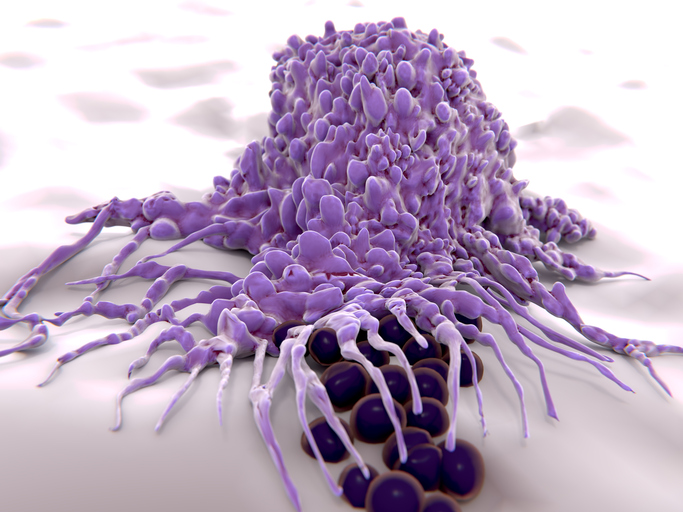
Immune cells shown to be essential to a healthy heart rhythm
Wednesday, April 12, 2017
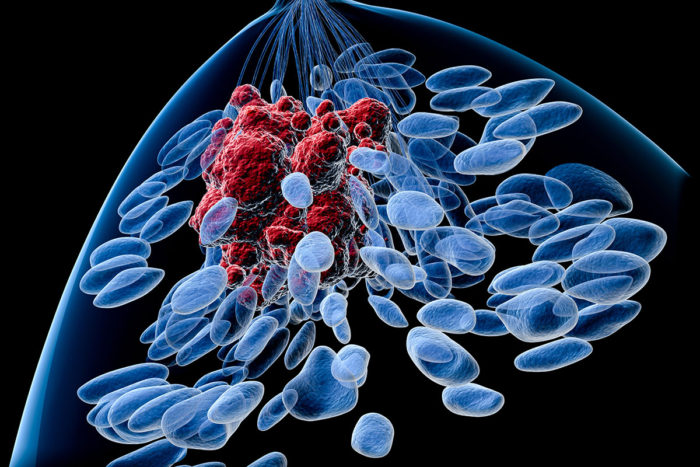
Rogue breast tumor proteins point to potential drug therapies
Personalized Cell Therapies Show More Promise in Solid Tumors
Pennsylvania: Investigational “hunter” immune cells engineered to seek out and
attack a deadly brain cancer known as glioblastoma (GBM) infiltrated
patients’ tumors and triggered thousands of more T cells once inside,
researchers from Penn Medicine reported in a late breaking abstract at the AACR Annual Meeting 2017 (Abstract LB-053).
The findings are among the results from three studies being presented
on chimeric antigen receptor (CAR) therapy with T cells and a newer
approach known as CARMA, which successfully pitted engineered
macrophages against breast and ovarian tumors.
Tuesday, April 11, 2017
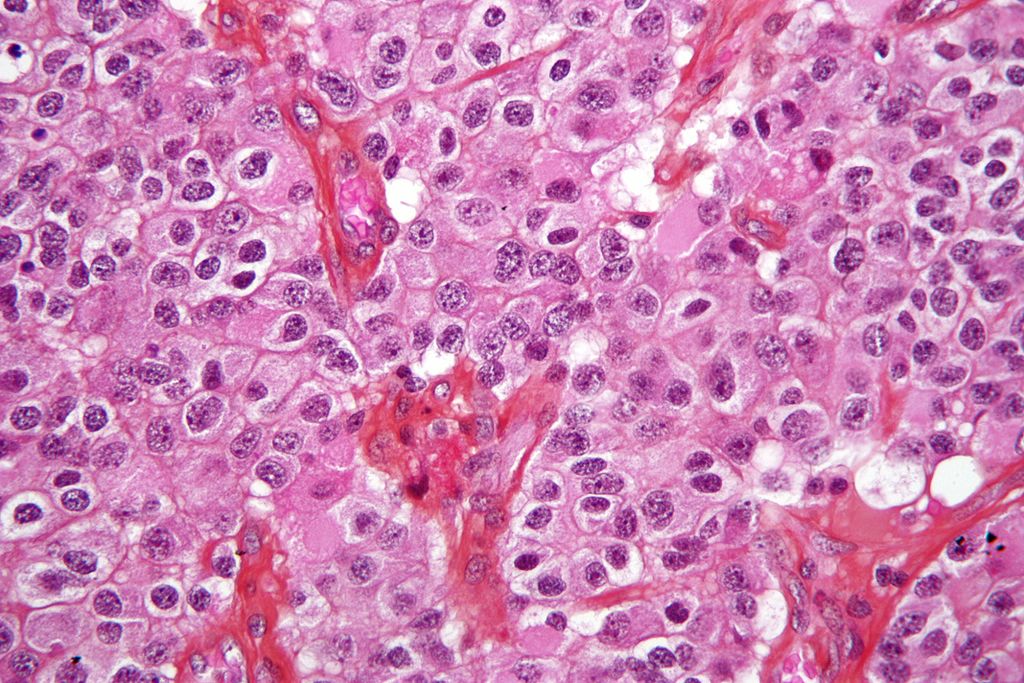
New study charts single-cell composition of two major types of brain tumor
Saturday, March 11, 2017
Cool Tools: Pushing the Limits of High-Resolution Microscopy
Wednesday, March 1, 2017
Scalpel free with the "liquid biopsies"
 Berkeley: Losing a breast or a lung to cancer leaves a scar, both physical and
emotional. But even a biopsy to determine if a tumor is cancerous, or to
track a tumor’s response to drugs, brings short-term pain and can miss
signs of metastasis. So, the possibility of a scalpel-free biopsy has
been something of a holy grail — a way to relieve trauma, speed
diagnosis and shrink medical bills.
Berkeley: Losing a breast or a lung to cancer leaves a scar, both physical and
emotional. But even a biopsy to determine if a tumor is cancerous, or to
track a tumor’s response to drugs, brings short-term pain and can miss
signs of metastasis. So, the possibility of a scalpel-free biopsy has
been something of a holy grail — a way to relieve trauma, speed
diagnosis and shrink medical bills.The ideal non-surgical approach might start with a simple blood draw. Snippets of DNA or RNA detected in the blood could be analyzed for the presence of a tumor; whether it has metastasized and whether it carries mutations for resistance to specific drugs. Such “liquid biopsies” may now be within reach.
Monday, February 27, 2017
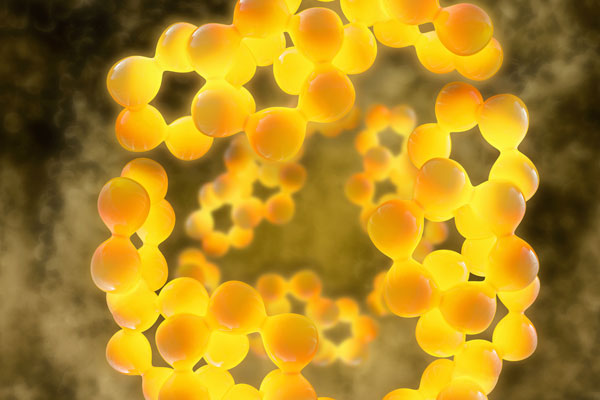
Signals from fat cells may help regulate other tissues
Thursday, February 16, 2017
Researchers identify new process to raise natural armies of cancer-targeting T lymphocytes outside the body

Scientists identify mechanisms behind harmful changes in the gut’s bacterial balance during inflammation
Researchers identify ion channel necessary for hormone and anti-obesity drug to suppress eating

Wednesday, February 15, 2017
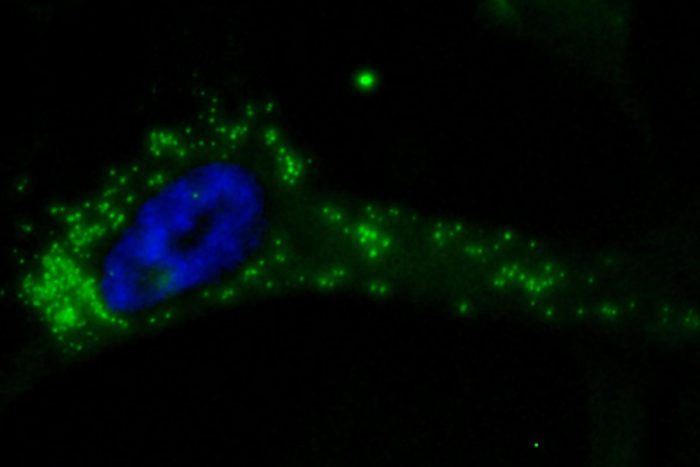
Study unveils new way to starve tumors to death
Thursday, January 26, 2017
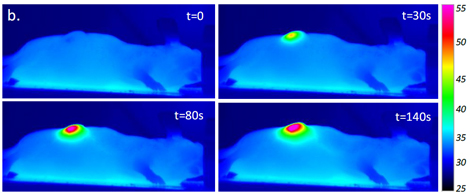
Nanohyperthermia softens tumors to improve treatment
Wednesday, January 25, 2017
Viruses in the genome important for our brain

Lund: Over
millions of years retroviruses have been incorporated into our human
DNA, where they today make up almost 10 per cent of the total genome. A
research group at Lund University in Sweden has now discovered a
mechanism through which these retroviruses may have an impact on gene
expression. This means that they may have played a significant role in
the development of the human brain as well as in various neurological
diseases.
Subscribe to:
Posts (Atom)