
Showing posts with label hepatitis C. Show all posts
Showing posts with label hepatitis C. Show all posts
Friday, March 3, 2017
Lawsuits in India and Argentina to reduce Hepatitis C drug costs by allowing generic versions
Wednesday, November 16, 2016
A common virus could help fight liver cancer and hepatitis C
 TheConversation: Reovirus, a common virus that causes mild cases of respiratory
infection, mainly in children, could be harnessed as an immunotherapy to
fight primary liver cancer and hepatitis C. Viruses cause around 20% of all human cancer.
While only a handful are known to be tumour-promoting, this is a
particular problem for liver cancer, where around three-quarters of
cases are caused by either hepatitis C virus (HCV) or hepatitis B virus
(HBV). These cause long-lived infections within the liver that in some
people eventually give rise to tumours. But in our latest study,
we show that our immune systems can be coerced into targeting both the
tumour and the underlying HCV infection that is driving it to grow.
TheConversation: Reovirus, a common virus that causes mild cases of respiratory
infection, mainly in children, could be harnessed as an immunotherapy to
fight primary liver cancer and hepatitis C. Viruses cause around 20% of all human cancer.
While only a handful are known to be tumour-promoting, this is a
particular problem for liver cancer, where around three-quarters of
cases are caused by either hepatitis C virus (HCV) or hepatitis B virus
(HBV). These cause long-lived infections within the liver that in some
people eventually give rise to tumours. But in our latest study,
we show that our immune systems can be coerced into targeting both the
tumour and the underlying HCV infection that is driving it to grow. Sunday, November 6, 2016
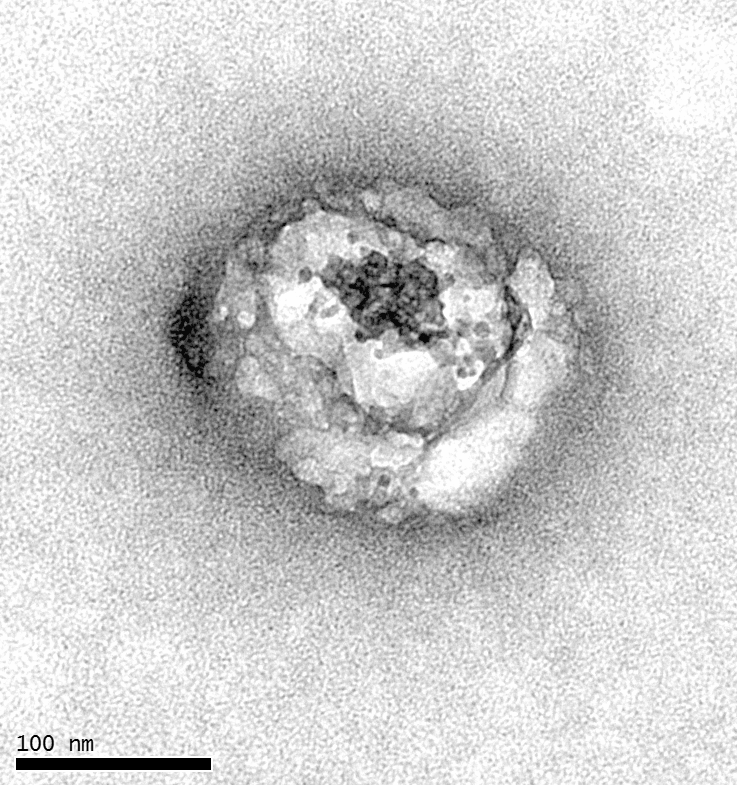
Hepatitis C virus observed under a microscope for the first time
Monday, May 18, 2015
Lives could be saved with hepatitis C treatment

Wednesday, May 6, 2015
Hepatitis C common among HIV-positive patients in sub-Saharan Africa
Tuesday, May 5, 2015
Effectiveness of New Combination Treatment for HCV Patients
Wednesday, March 25, 2015
Targeting a host receptor instead of the virus: a new experimental approach against hepatitis C virus
Saturday, March 7, 2015
study to assess community-based hepatitis C treatment in Washington, D.C.
NIH: Officials from the National Institutes of Health and the city of
Washington, D.C., launched a clinical trial to examine whether primary
care physicians and other health care providers, such as nurse
practitioners and physician assistants, can use a new antiviral therapy
as effectively as specialist physicians to treat people with hepatitis
C virus (HCV) infection. The trial, which will involve 600 adult D.C.
residents infected with HCV alone or co-infected with HCV and HIV, also
will examine the long-term effects of the treatment.
Tuesday, February 24, 2015
Daclatasvir for hepatitis C: hint of added benefit in genotype 4
IQWIG. Germany: Data on genotype 4 subsequently submitted showed advantage in sustained virologic response (SVR)Daclatasvir (trade name Daklinza) has been approved since August 2014 for the treatment of adults with chronic hepatitis C (CHC) infection. According to the dossier assessment conducted by the German Institute for Quality and Efficiency in Health Care (IQWiG) in December 2014, no added benefit could be derived for daclatasvir.
Monday, February 23, 2015
Worldwide treatment of hepatitis C could be within sight at the right cost
Liverpool University. UK: Lowering the cost of hepatitis C drugs is possible and key to
achieving global access to treatment, according to new research by the
University of Liverpool and Imperial College London.
There are an estimated 185 million people infected with the hepatitis C virus worldwide and 160,000 in Britain. Currently there is no vaccine and, if left untreated, infection can lead to cirrhosis and liver cancer, causing up to 500,000 related deaths globally per year.
There are an estimated 185 million people infected with the hepatitis C virus worldwide and 160,000 in Britain. Currently there is no vaccine and, if left untreated, infection can lead to cirrhosis and liver cancer, causing up to 500,000 related deaths globally per year.
Saturday, February 21, 2015
Study builds understanding of hepatitis C virus replication
UNC. US: Hepatitis C virus infection is a common cause of liver disease and of liver cancer in the United States. Through a new study that explores one aspect of how the virus hijacks host cell machinery to replicate itself, UNC Lineberger Comprehensive Cancer Center researchers have gained insight into the workings of a potential drug target for hepatitis C.
Wednesday, February 11, 2015
Worldwide treatment of hepatitis C could be within sight at the right cost
Imperial College. UK: Lowering the cost of hepatitis C drugs is
possible and it is key to achieving global access to treatment,
according to new research. There are an estimated 185 million people
infected with the hepatitis C virus worldwide and 160,000 in Britain.
Currently there is no vaccine and, if left untreated, infection can lead
to cirrhosis and liver cancer, causing up to 500,000 related deaths
globally per year. Hepatitis C is particularly problematic in low to
middle income countries; for example 12 million people are infected in
Egypt.
Thursday, January 15, 2015
Widespread Hepatitis C Screening – Do Benefits Outweigh Harms?
Georgetown University. US: In light of recent
recommendations for widespread hepatitis C screening, researchers are
calling for clinical trials to determine if that screening would result
in greater benefit or harm.
Monday, December 29, 2014
FDA approves Viekira Pak to treat hepatitis C
FDA. US: The U.S. Food and Drug Administration today approved Viekira Pak
(ombitasvir, paritaprevir and ritonavir tablets co-packaged with
dasabuvir tablets) to treat patients with chronic hepatitis C virus
(HCV) genotype 1 infection, including those with a type of advanced
liver disease called cirrhosis.
Wednesday, March 21, 2012
Hepatitis C
 |
| Hepatitis virus. PHIL |
Author: Dr Norah Terrault University of California San Francisco 2008-07-23
Hepatitis C is a common cause of chronic liver disease both worldwide and in the U.S. Hepatitis C virus is transmitted through blood or blood-contaminated objects. Many individuals do not know they are infected. Most persons with chronic hepatitis C will be without any symptoms. Acute infection is followed by a chronic disease is the majority of those infected. Hepatitis C infection can lead to cirrhosis and liver cancer after several decades of infection. Effective treatments are available.
Hepatitis C is a common cause of chronic liver disease both worldwide and in the U.S. Hepatitis C virus is transmitted through blood or blood-contaminated objects. Many individuals do not know they are infected. Most persons with chronic hepatitis C will be without any symptoms. Acute infection is followed by a chronic disease is the majority of those infected. Hepatitis C infection can lead to cirrhosis and liver cancer after several decades of infection. Effective treatments are available.
Subscribe to:
Posts (Atom)