Showing posts with label herbal medicine. Show all posts
Showing posts with label herbal medicine. Show all posts
Tuesday, February 28, 2017
Herbal medicine's hidden risks pose threat to health
Adelaide: The misperception that herbal medicines are 'safe' because they
are derived from natural materials and have been in use for thousands of
years could see people unknowingly putting their health at risk, say
University of Adelaide researchers. In a paper published today in the Medical Journal of Australia,
researchers have highlighted a range of issues relating to the
preparation of complementary medicines (including herbal products) and
their use. The researchers found that some traditional herbal
preparations contain toxic chemicals from both animals and plants, as
well as heavy metals and pesticides.
Wednesday, July 1, 2015
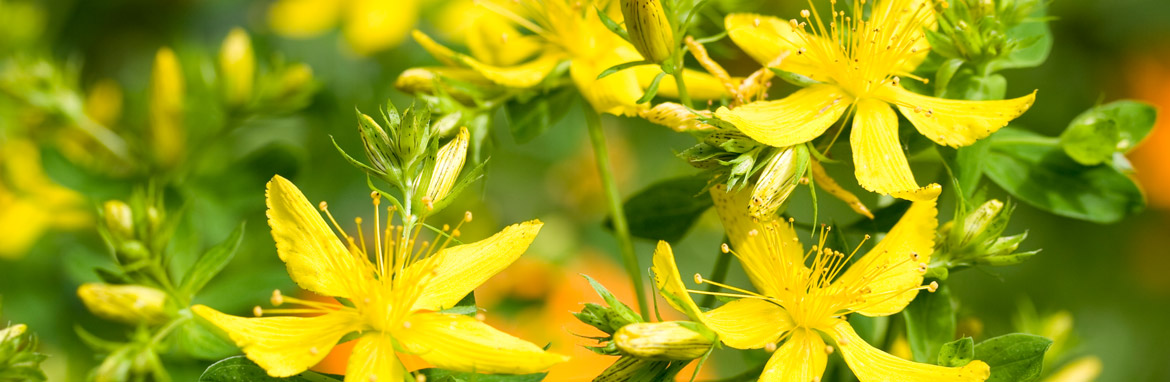
St John's Wort can make you sick
Monday, June 29, 2015
Mushroom supplement could be one way to tackle obesity

Friday, June 5, 2015
Chinese herbal medicine for treating recurrent urinary tract infections in women

Monday, May 25, 2015
Tong-xin-luo capsule for coronary heart disease after percutaneous coronary intervention

Monday, April 27, 2015
16th Century book provides recipes for today's health

“The 16th century work was written over a period of 36 years at the peak of European plant-based medicine by German pharmacist, physician and botanist Theodorus Jacobus Tabernaemontanus, who systematically recorded the scholarship of physicians and local healers from antiquity to the early modern era,” Clair says.
“He describes more than 3000 medicinal plants and their preparations which represents a much larger therapeutic repertoire than in today’s official international list of medicinal drugs. The author’s scientific approach and systematic arrangement of plant monographs and its comprehensive register of herbal therapeutics and ailments in 10 languages, allows a logical way to navigate the complex information.
“The work’s enduring clinical information is still relevant for contemporary medical herbalism and inspired many modern drug developments such as pain relieving morphine and honey wound dressings.
“Despite the longevity of plant medicine since the dawn of mankind, high use by patients for self-care, and their importance affirmed by the current World Health Organisation’s Traditional Medicine Strategy inquiry into the effectiveness of traditional plant applications is a neglected area of medical research.
“Professionally trained herbal experts are necessary for an interdisciplinary investigation of pre-modern medical text books so that they can be understood for their clinical relevance. My research will contribute to new insights and a platform for testing old recipes. It will highlight historic indications of selected plants over several centuries and further compare them with the latest biomedical research in order to validate the rational of traditional practice.
“Using traditional medical knowledge for therapeutic use or a drug discovery is a fruitful approach. The compounding of the antibiotic substance Penicillin was first recorded by Benedictine monks in the eighth century and the recent recreation of a thousand-year-old medieval remedy for eye infections proved effective against the antibiotic resistant superbug staph infections.
“I have identified a promising Renaissance recipe to treat open injuries. It contains antimicrobial and nerve regenerating ingredients and warrants further investigation. We are not exactly sure yet why the ancient potion is so effective,” Clair says.
Tuesday, April 7, 2015
Barberry for treatment of pigment-related skin problems

Tuesday, October 7, 2014
Aloe vera

Evaluation of the Nutritional and Metabolic Effects of Aloe vera . Meika Foster, Duncan Hunter, and Samir Samman.
3.1. INTRODUCTION
Aloe vera has a long history of popular and traditional use. It is used in traditional Indian medicine for constipation, colic, skin diseases, worm infestation, and infections (Heber 2007). It is also used in Trinidad and Tobago for hypertension (Lans 2006) and among Mexican Americans for the treatment of type 2 diabetes mellitus (DM; Coronado et al. 2004). In Chinese medicine, it is often recommended in the treatment of fungal diseases (Heber 2007). In Western society, Aloe vera is one of the few herbal medicines in common usage, and it has found widespread use in the cosmetic, pharmaceutical, and food industries. In the case of health, the therapeutic claims for the topical and oral application of Aloe vera cover a wide range of conditions, but few claims have been the subject of robust clinical investigation. The conditions for which clinical trials of Aloe vera have been conducted include skin conditions, management of burn and wound healing, constipation, DM, and gastrointestinal disorders.
Subscribe to:
Posts (Atom)