Technion. Israel: Perhaps one of greatest
securities is in the trust that the water we drink is safe. This human
need for clean drinking water is global, and with good reason. The
presence of nitrates in drinking water has been found to have a direct
connection with infant mortality and fatal disease.
Nitrate is the most common
chemical contaminant found in ground water. Excessive concentration of
Nitrate is linked to the fatal blue baby syndrome, cancer and other
illnesses. In California and other places in the world, about 10% of the
wells produce water that exceeds the regulatory Nitrate limit.
Safe, environmentally friendly
ways to clean up drinking water from harmful nitrates are high on the
global agenda. A recent study conducted by the UC Davis Center for
Watershed Sciences, states that. “Nitrate contamination of potable water
sources is becoming one of the most important water quality concerns in
California and across the United States.”
New technologies to make the cleaning of contaminated water economically viable and effective are urgently needed.
Responding to the clear need to
clean out the nitrates from our water resources, a dynamic new company
based on front-line Technion innovation, is aiming to bring a
revolutionary water purification system to market. The new technology is
cited as both effective, economic, and environmentally friendly.
Called WellToDo,
the startup is already operating a pilot system to demonstrate its
effectiveness on a pilot well in Israel. We spoke to WellToDo CEO Hovav
Gilan about the process of technology transfer, and the next moves the
young company will be taking into the market-place.
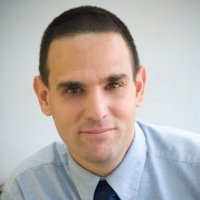
Q: What is Nitrate and why do we not want it in our water?
Hovav Gilan:
Nitrate is the most common ground
water pollutant in the world. It is estimated the 10% of global ground
water is contaminated at levels higher than the maximum allowed
drinking limit. Drinking water with high concentration of Nitrate is a
major health risk. It can lead to diseases such as cancer, birth
defects, miscarriages and can even be fatal to infants through a
condition called blue baby syndrome where the Nitrate prevents red blood
cells from transporting oxygen to the cells.
Nitrate is also a common
pollutant in industrial waste water of many industries such as mining,
oil and gas, power generation and food and beverage.
Q: What would be the WellToDo advantage over its competition?
Hovav Gilan:
Available treatment technologies
rely on removing contaminants from the main water stream and
concentrating it into a small volume of water called a concentrate
stream. These methods are problematic since it does not eliminate the
contamination rather it just moves it some place else. This concentrate
stream still needs to be disposed and treated which adds costs and
complicates matters. In many cases there is no possibility to treat
this concentrate stream and this prevents the entire water treatment
operation.
The WellToDo process is
advantageous since it converts contaminants into nonpolluting compounds.
We do not move the contamination some place else, We eliminate it all
together. The way we do this is by reacting the contaminants with
materials that convert it to harmless compounds. In the case of Nitrate
we use Hydrogen to convert the Nitrate to Nitrogen gas and water. This
conversion reaction is possible due to a proprietary catalyst that we
have developed.
Q: At what stage is WellToDo right now?
Hovav Gilan:
The company was established 2.5
years ago when we licensed the patent from the Technion. Today we have
proved the technology in pilot sites in contaminated wells in Israel and
are in the final stages of negotiations to install a full scale
commercial system with a big water utility in Israel.
Q: What will happen with the company if its mission is fulfilled? How will it impact the world?
Hovav Gilan:
Our technology is an enabler to
treating water otherwise untreatable. In many places in the world
drinking water is not treated due to lack of available treatment
technologies. In many places in the world industries do not treat its
industrial waste streams thus causing a major damage to the environment.
Implementing our technology will
enable safe drinking water to communities around the world and will
ensure industries will not damage the environment. Basically we will
make the world a cleaner and safer place.
Q: Can you say something about the process of commercialization through the incubator model?
Hovav Gilan:
The incubator model of the Office
of the Chief Scientist is an excellent tool to assist inventors and
entrepreneurs in commercializing their inventions. Bringing a new
technology to market and converting it to a sellable product can be a
risky and audacious task that requires vast resources and time. In the
incubator model, some of the risk is assumed by the government which
gives “peace of mind” and allows the engineers and scientists to mature
the technology and make it market ready.
Q: Can you tell a bit about the service given by T³ in its connection with the project and/or bridging the scientists with entrepreneurs?
Hovav Gilan:
T³
has been very helpful in connecting us to the relevant researchers in
the Technion and in helping us evaluate various technologies. We came to
T³ with a clear goal to license a winning technology in order to build a
CleanTech company. T³ introduced us to a short list of possible technologies which was already screened by T³.
This was a great help since it made the selection process shorter and
easier. After we had focused our efforts on the chosen technology, T³ added value by helping with benchmarking the technology and conducting the commercialization process.
The vast network of contacts maintained by T³ is also an important asset and a big help in the commercialization process.
Q: How would you describe Technion as a world center of innovation?
Hovav Gilan:
I graduated from the Technion
almost 20 years ago and I have strong feelings for this prestigious
institute. Managing a company that is based on a Technion developed
technology shows me that the Technion is not just an academic institute:
the research done by the Technion staff has real life and day to day
applications. This shows that the Technion is not just an innovative
institute – it is practical and contributing to improving the world.