Showing posts with label hair loss. Show all posts

Tuesday, June 12, 2018

Fringe benefits: drug side effects could treat human hair loss

Manchester: A new drug could ease the distress of men and women who suffer from baldness, according to researchers from The University of Manchester’s Centre for Dermatology Research.
The study from the laboratory of Prof Ralf Paus, is published today (8 May) in the open access journal PLOS Biology. It shows that a drug originally designed as a treatment for osteoporosis has a dramatic stimulatory effect on human hair follicles donated by patients undergoing hair transplantation surgery.
Tuesday, February 28, 2017

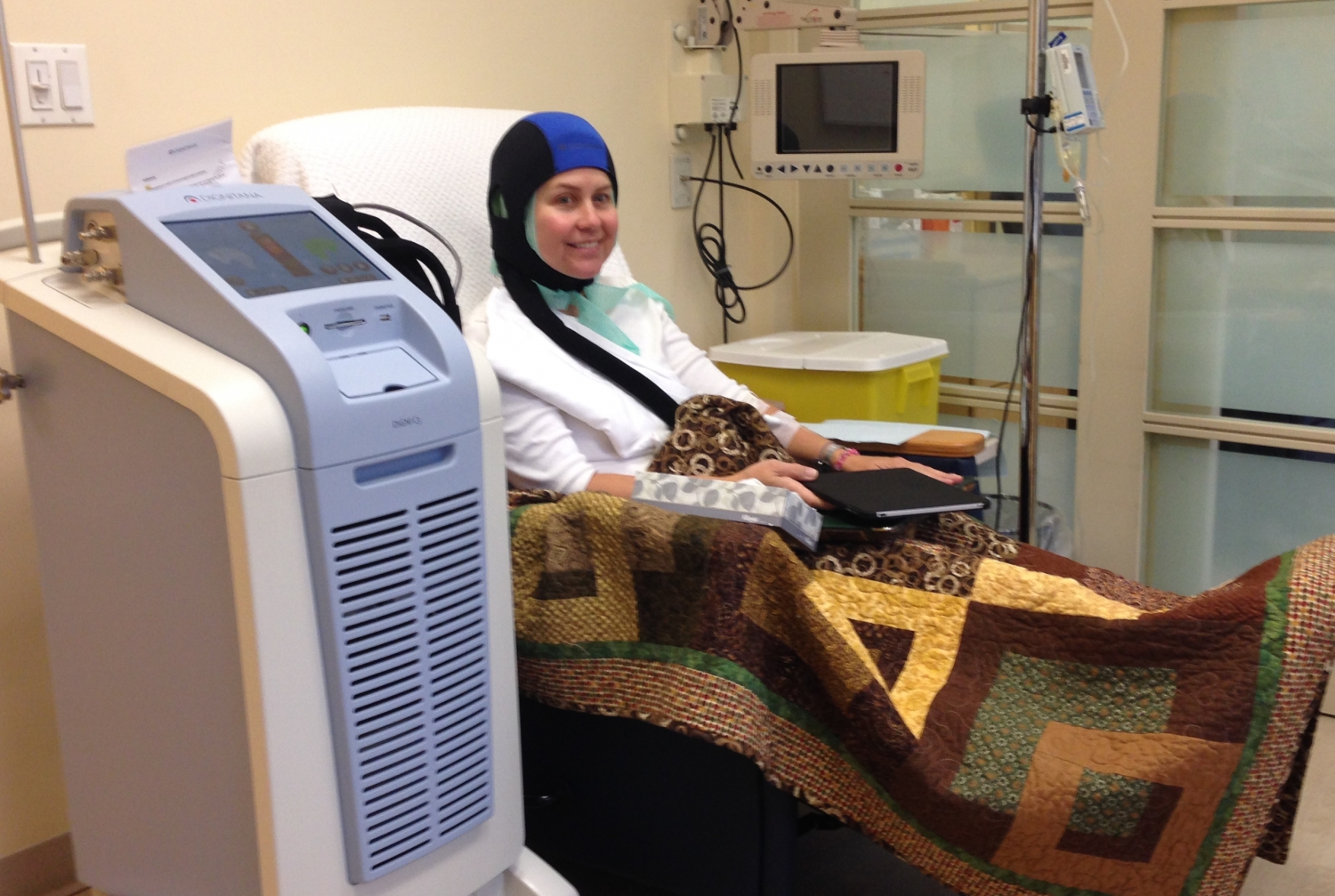
Scalp Cooling Can Help Some Breast Cancer Patients Retain Hair

Cornell: Scalp cooling can lessen some chemotherapy-induced hair loss – one of the most devastating hallmarks of cancer – in certain breast cancer patients, according to a new multicenter study from UC San Francisco, Weill Cornell Medicine, NewYork-Presbyterian and three other medical centers. A majority of the study’s patients, all women with stage 1 or 2 breast cancer who underwent scalp cooling, retained more than half of their hair after completing chemotherapy, the investigators learned. The study, published which tracks patients over five years, used standardized photographs to grade hair loss. The study was published Feb. 14 in JAMA, the Journal of the American Medical Association.

Saturday, January 24, 2015

Research Team Discover Topical Epidermal Growth Factor as New Treatment for Hair Loss

Chung-Ang University. Korea: Various factors including stress or lifestyle, temporary spike in testosterone account for the gradual increase in hair loss patients. But the approved treatment options available at the moments are limited to using testosterone suppressants such as Finasteride and Dutasteride, improving the blood circulation by applying Minoxidil to the affected area and undergoing surgical hair implant procedure.

Thursday, September 18, 2014

Alopecia totalis

Alopecia totalis is a form of alopecia areata, an inflammatory disease of the hair follicle, characterized by a complete loss of hair of the entire scalp which becomes glabrous.
More about alopecia areata

Alopecia areata

Alopecia areata is an autoimmune disease that affects almost 2% of the US population, including more than five million people in the United States alone. In alopecia areata, the affected hair follicles are mistakenly attacked by a person's own immune system (white blood cells), resulting in the arrest of the hair growth stage. Alopecia areata usually starts with one or more small, round, smooth bald patches on the scalp and can progress to total scalp hair loss (alopecia totalis) or complete body hair loss (alopecia universalis). Any hair-bearing site on the body can be affected by alopecia areata. Hair loss can often occur without any accompanying symptoms.
More about alopecia areata

Alopecia areata

Source: National Institute of Arthritis and Musculoskeletal and Skin Diseases

What Causes It?

In alopecia areata, immune system cells called white blood cells attack the rapidly growing cells in the hair follicles. The affected hair follicles become small and drastically slow down hair production. Fortunately, the stem cells that continuously supply the follicle with new cells do not seem to be targeted. So the follicle always has the potential to regrow hair.
Scientists do not know exactly why the hair follicles undergo these changes, but they suspect that a combination of genes may predispose some people to the disease. In those who are genetically predisposed, some type of trigger—perhaps a virus or something in the person’s environment—brings on the attack against the hair follicles.

Wednesday, September 17, 2014

Hair loss

Hair loss is also called: Alopecia

You lose up to 100 hairs from your scalp every day. That's normal, and in most people, those hairs grow back. But many men -- and some women -- lose hair as they grow older. You can also lose your hair if you have certain diseases, such as thyroid problems, diabetes, or lupus. If you take certain medicines or have chemotherapy for cancer, you may also lose your hair. Other causes are stress, a low protein diet, a family history, or poor nutrition.

Treatment for hair loss depends on the cause. In some cases, treating the underlying cause will correct the problem. Other treatments include medicines and hair restoration.
More about alopecia and hair loss
More about alopecia areata

Sunday, April 1, 2012

Hair loss / Alopecia

Author: Dr Bryan Cho University of California SF 2009-01-22

Common Causes of Hair Loss from the Scalp. Non Scarring Alopecias: A brief review of common causes of hair loss in men and women.

Hair loss, or alopecia, is a common and often emotionally distressing condition. Genetic predisposition, disease and improper hair care can all contribute to hair loss. They do so by increasing the rate of hair shedding (hair coming out by the root) or by increasing hair fragility leading to hair that can be broken by even minor trauma. 
Depending on the cause, there are a number of treatments for scalp hair loss with varying degrees of effectiveness and patient satisfaction. This knol will discuss the typical hair cycle, as well as the various types of scalp hair loss and their associated treatments.