Showing posts with label breast cancer. Show all posts

Monday, March 15, 2021

Breast Cancer: Sugar-Sweetened Soda Consumption May Impact Mortality Risk

MedicalResearch :  The literature suggests that sugars contribute to the incidence of breast cancer, but few exists on the prognosis after a breast cancer diagnosis.

MedicalResearch.com: What are the main findings?

Wednesday, June 27, 2018

Bigger ladies may have lower breast cancer risk

Scimex: Women with higher body mass index (BMI), especially in early adulthood, may be at a lower risk of developing breast cancer prior to menopause, according to Australian and international research. The research looked at 19 different studies, including Australian data, covering more than 750,000 women. It found that for women aged 18 to 54, breast cancer risk went down as BMI went up. This link was strongest for women aged 18 to 24. The study authors say that they are not advocating weight gain as a way to reduce breast cancer risk but that understanding this link might help to identify risk factors that might be modified.

Tuesday, June 12, 2018

Six months of Herceptin could be as effective as 12 months for some women

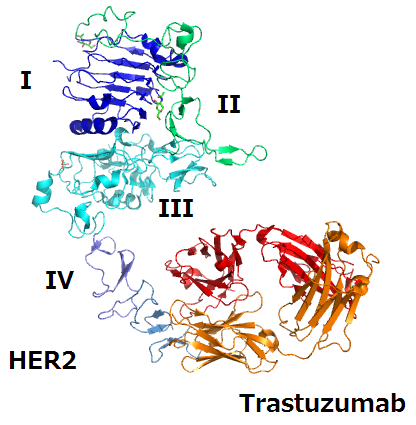
Cambridge: For women with HER2 positive early-stage breast cancer taking Herceptin for six months could be as effective as 12 months in preventing relapse and death, and can reduce side effects, finds new research. 
"We are confident that this will mark the first steps towards a reduction of Herceptin treatment to six months in many women with HER2-positive breast cancer". Helena Earl

Wednesday, May 23, 2018

Could doctors one day prescribe a specific diet to prevent the spread of breast cancer?

Researcher Melanie Rutkowski, PhD, from University of Virginia can envision a day when doctors prescribe a specific diet to prevent the spread of breast cancer. A day when doctors could identify women at high risk for breast tumors just by examining the bacteria in their guts. And now Susan G. Komen has awarded her $450,000 to fund pioneering research that could make that happen. Over the next three years, the grant will let Rutkowski, of the University of Virginia School of Medicine, expand our understanding of the relationship between the microbiome – the microorganisms that naturally live in our bodies – and the immune system’s response to breast cancer. She will seek to determine if chronic disruption of the microbiome, possibly caused by diets heavy in processed foods, fats and sugar, is hurting the immune system’s ability to battle breast tumors – and perhaps even facilitating the cancer’s spread through the body.

Sunday, May 13, 2018

New treatment for aggressive breast cancer

Kristian Pietras (Photo: Kennet Ruona)Lund University: Approximately 10–15 per cent of breast cancer cases do not respond to treatment with hormone therapy, which means that they are more aggressive and often recur. An international research team led by researchers at Lund University in Sweden has uncovered a way to treat these aggressive tumours through manipulation of the connective tissue cells of the tumour. The researchers are now developing a new drug that transforms aggressive breast cancer so that it becomes responsive to standard hormone therapy.

Wednesday, April 18, 2018

Liquid Biopsy Can Help Predict Outcomes in Metastatic Triple-Negative Breast Cancer

Columbus: A clinically relevant “liquid biopsy” test can be used to profile cancer genomes from blood and predict survival outcomes for patients with metastatic triple negative breast cancer (TNBC), according to new research published by a multi-institutional team of researchers with The Ohio State University Comprehensive Cancer Center — Arthur G. James Cancer Hospital and Richard J. Solove Research Institute (OSUCCC – James), the Dana-Farber Cancer Institute and the Broad Institute of MIT and Harvard.

Wednesday, April 12, 2017

Obesity Influences Specific Genes Linked to Inflammatory Pathways in Breast Cancer

Ohio: Obesity is a known risk factor for breast and other cancers, but knowledge about the underlying biology of how, when and by what mechanism obesity influences cancer risk is limited. New research from The Ohio State University Comprehensive Cancer Center – Arthur G. James Cancer Hospital and Richard J. Solove Research Institute (OSUCCC – James) offers some of the first evidence that obesity alters in genes involved in inflammatory response (32 genes), hereditary disorders (48 genes) and other immunological diseases (42 genes).

Tuesday, February 28, 2017

Scalp Cooling Can Help Some Breast Cancer Patients Retain Hair

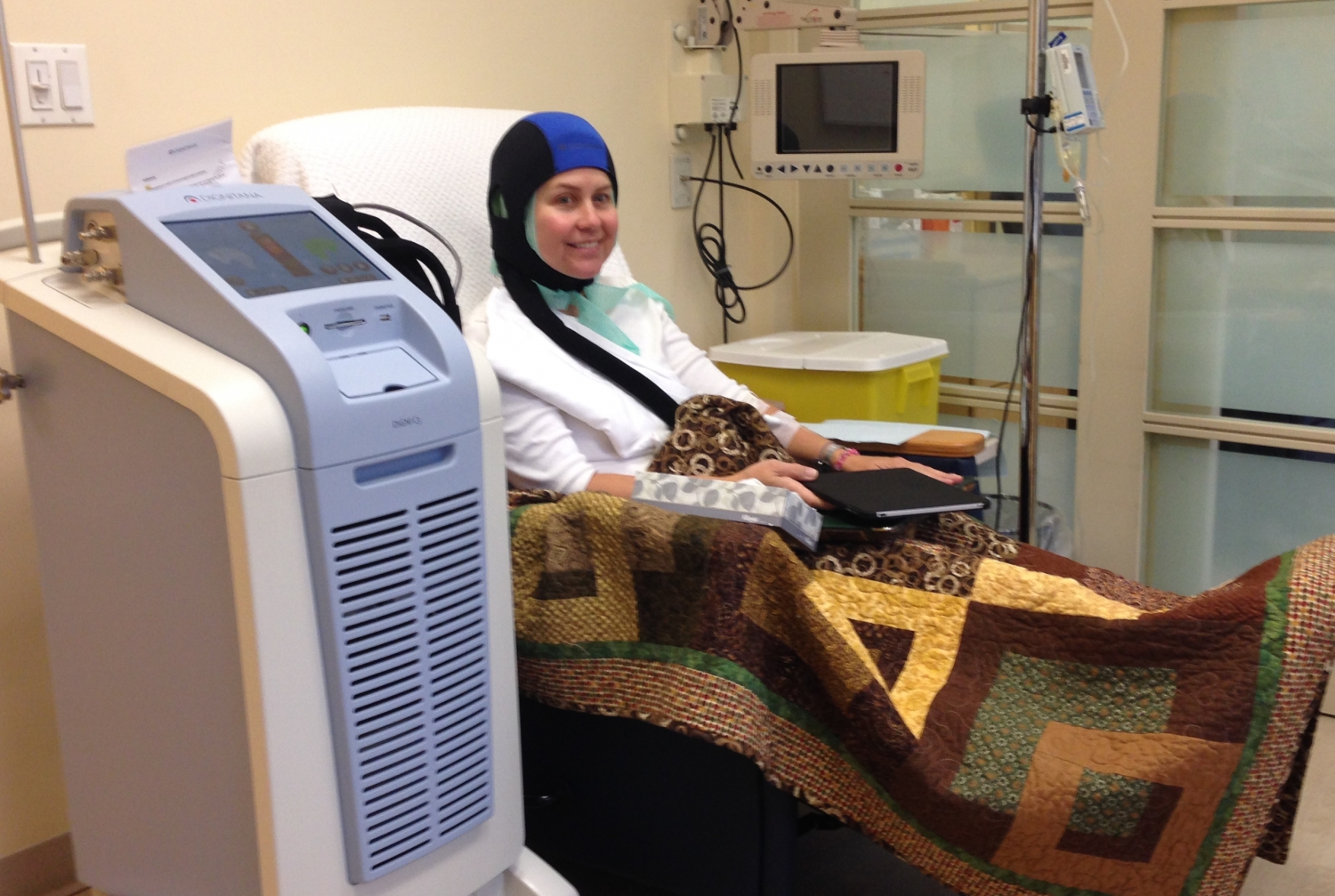
Cornell: Scalp cooling can lessen some chemotherapy-induced hair loss – one of the most devastating hallmarks of cancer – in certain breast cancer patients, according to a new multicenter study from UC San Francisco, Weill Cornell Medicine, NewYork-Presbyterian and three other medical centers. A majority of the study’s patients, all women with stage 1 or 2 breast cancer who underwent scalp cooling, retained more than half of their hair after completing chemotherapy, the investigators learned. The study, published which tracks patients over five years, used standardized photographs to grade hair loss. The study was published Feb. 14 in JAMA, the Journal of the American Medical Association.

Monday, February 27, 2017

Screening MRI Benefits Women at Average Risk of Breast Cancer

RSNA: MRI screening improves early detection in women who are at average risk for breast cancer. Researchers studied data from 2,120 women with no breast-cancer-associated risk factors who underwent supplemental MRI screening every 1 to 3 years in addition to mammography and ultrasound. Breast MRI detected 60 additional breast cancers, including 40 invasive cancers, all of which were missed by mammography and ultrasound. None of the cancers that arose over the total 7,007 screening rounds were found by mammography or ultrasound alone. MRI screening improves early diagnosis of breast cancer in all women—not only those at high risk—according to a new study from Germany published online in the journal Radiology.

Friday, February 24, 2017

15 per cent of women carry their smartphone tucked into their bra: Is there an increased risk of breast cancer?

Melbourne: A new Monash University study that will inform cancer research has found that 15 per cent of women carry their smartphone tucked into their bra.  This is despite phone manufacturers warning customers not to store smartphones against their body.  The Monash study was published in the scientific research journal PLOS One.  Dr Mary Redmayne, an adjunct research fellow with Monash University’s School of Public Health and Preventive Medicine, said people were exposed to considerably higher levels of radiofrequency electromagnetic radiation by storing their smartphones next to their skin rather than in a bag or on a desk.  “Many studies have indicated an increased risk of brain tumours from extended mobile phone use. However, there have been no epidemiological studies regarding smartphone exposure and breast cancer.

Wednesday, February 22, 2017

New technique preserves arm lymphatics in breast cancer patients

Maastricht: A new technique known as axillary reverse mapping (ARM) assesses the lymphatic drainage of the arm. The technique would enable the lymph nodes in the axilla to be preserved and could possibly reduce the risk of post-operative lymphoedema. This was concluded by Maarten Beek (surgical registrar) in his doctoral thesis. Based at Amphia Hospital in Breda, and in collaboration with other hospitals in the Netherlands, Dr Beek has been conducting research on this technique for the last three years. Today he is to be awarded a PhD from Maastricht University.

Friday, February 17, 2017

Inbuilt body clocks link breast stiffness to cancer risks

Manchester: University of Manchester biologists have discovered that breast tissues have 24-hour body clocks, and that several hundred genes are regulated in a daily cycle. The discovery by Dr Qing-Jun Meng and Professor Charles Streuli, may offer the first evidence of a link between breast biology - including breast cancer risks - and the body clock. They found that ageing of breast tissue has a central role in controlling these clocks. Breast tissues get stiffer as they get older which, the authors find, causes the clocks to get weaker. Higher mammographic density - or breast tissue stiffness - is a known risk factor for breast cancer, but the way that stiffness contributes to cancer is not known.

Thursday, February 16, 2017

‘Dense breasts’ exceed all other breast cancer risk factors

UCSF: A new UC San Francisco-led study shows that women with “dense breasts” are at increased risk for breast cancer compared with women with a family history of the disease, their own history of benign lesions, or a first full-term pregnancy over age 30. The findings were published Thursday in the journal JAMA Oncology. Led by Natalie Engmann, a Ph.D. candidate in UCSF’s Department of Epidemiology and Biostatistics, and Dr. Karla Kerlikowske, the researchers believe their work is the first large-scale study to measure the development of breast cancer according to the degree of breast density.

Physicians fail to recommend genetic testing to many high-risk breast cancer patients

Stanford: Physicians often fail to recommend genetic testing for breast cancer patients at high risk for mutations associated with ovarian and other cancers, according to a large study by researchers at the Stanford University School of Medicine and five other U.S. medical centers. Asian-Americans and older women were particularly likely to be “undertested.” Not testing these women represents a critical missed health care opportunity, the researchers said.

Wednesday, January 25, 2017

Biomarker tests in breast cancer: decision on chemotherapy remains difficult

IQWiGThe German Institute for Quality and Efficiency in Health Care (IQWiG) investigated the benefit of biomarker tests to support the decision for or against adjuvant systemic chemotherapy in certain breast cancer patients, that is, women with primary hormone receptor-positive, HER2-negative breast cancer and up to 3 affected lymph nodes. When the Institute presented its preliminary report in November 2015, the evidence was inadequate to prove the benefit or harm of such tests. However, the results of further relevant studies had been announced for the beginning of 2016. Following a request by the Federal Joint Committee (G-BA), IQWiG did not immediately start preparing the final report after the scientific debate on the preliminary report, but waited for these results.

Friday, January 6, 2017

Breast cancer study predicts better response to chemotherapy

Lund: It is known from previous research that the ER-beta estrogen receptor often has a protective effect. A new study from Lund University in Sweden has found that this effect is more pronounced in patients that undergo chemotherapy.“If the finding is confirmed in further studies, it could contribute to women with the highest risk getting more frequent check-ups and/or additional treatment besides chemotherapy, or possibly limit chemotherapy to the women in the high risk group”, says Karin Elebro, PhD student and lead author of the study.

Friday, December 16, 2016

Health: The "Angelina Jolie" Effect

Harvard: Pop culture icons can influence our fashion choices, dietary habits and brand preferences, but can celebrities also influence our medical decisions? The answer is a resounding yes, according to a new Harvard Medical School study analyzing the rates of genetic testing for breast cancer in the aftermath of Angelina Jolie’s 2013 op-ed piece in The New York Times.The findings, published Dec. 14 in The BMJ, revealed a large spike in genetic tests for a gene known to increase breast cancer risk following Jolie’s op-ed, but no corresponding uptick in mastectomy rates, suggesting the tests did not lead to increased breast cancer diagnoses. The results illustrate that celebrity endorsements can fuel the use of health care services but may not effectively target the populations in greatest need of such services, the researchers said.

What women with breast cancer should know about estrogens

TheConversation: One of every eight women in the United States will develop invasive breast cancer over her lifetime. Eighty percent of those cancers are fueled in part by estrogens. One treatment for women whose breast cancer is fueled by estrogen – or what is often called estrogen receptor (ER)-positive breast cancer – is for them to take drugs that block estrogens. But estrogens have benefits that should be considered. This particularly affects postmenopausal women who have gone through the trauma of surgery for invasive breast cancer. They are typically faced with a very difficult decision. Should they take estrogen blockers or not? Is the treatment worth it, balancing the risk of recurrence of the cancer with potential quality-of-life issues?

Wednesday, December 14, 2016

Biosimilar Drug Shows Potential as Breast Cancer Treatment

JAMA: Among women with metastatic breast cancer, treatment with a drug that is biosimilar to the breast cancer drug trastuzumab resulted in an equivalent overall response rate at 24 weeks compared with trastuzumab, according to a study published online by JAMA. Biological agents, including monoclonal antibodies, have increased the treatment options and greatly improved outcomes for a number of cancers. However, patient access to these biologics is limited in many countries. With impending patent expiration of some biological agents, development of biosimilars has become a high priority for drug developers and health authorities throughout the world to provide access to high-quality alternatives. A biosimilar drug is a biological product that is highly similar to a licensed biological product, with no clinically meaningful differences in terms of safety or potency.

Wednesday, November 30, 2016

Potential new tool to aid breast cancer surgery

Scimex: University of Adelaide researchers have developed an optical fibre probe that distinguishes breast cancer tissue from normal tissue – potentially allowing surgeons to be much more precise when removing breast cancer. The device could help prevent follow-up surgery, currently needed for 15-20% of breast cancer surgery patients where all the cancer is not removed. Published today in the journal Cancer Research, the researchers in the ARC Centre of Excellence for Nanoscale BioPhotonics (CNBP), the Institute for Photonics and Advanced Sensing, and the Schools of Physical Sciences and Medicine, describe how the optical probe works by detecting the difference in pH between the two types of tissue. The research was in collaboration with the Breast, Endocrine and Surgical Oncology Unit at the Royal Adelaide Hospital.