 TheConversation: My mother, Sheila Kitzinger, died last month, with good symptom
management and with as much choice and control as possible. Her written “Advance Decision” helped ensure that her wishes were followed and she died at home, cared for by her family. Her experience contrasts starkly with that of my sister, Polly Kitzinger,
who was severely brain injured in a car crash six years ago. Polly was
subject to a series of life-sustaining interventions (while she was
first unconscious and then minimally conscious) that we, her family,
believe she would have refused if she had been able. My sister’s wishes were not recorded in a written Advance Decision.
This meant that it was not possible to ensure that her own passionately
expressed prior views were respected. Whatever one’s own individual, family or cultural beliefs, a key
question for us all is: “How can we ensure good care, including respect
for our values, when we are at our most vulnerable – on the cusp between
life and death?”
TheConversation: My mother, Sheila Kitzinger, died last month, with good symptom
management and with as much choice and control as possible. Her written “Advance Decision” helped ensure that her wishes were followed and she died at home, cared for by her family. Her experience contrasts starkly with that of my sister, Polly Kitzinger,
who was severely brain injured in a car crash six years ago. Polly was
subject to a series of life-sustaining interventions (while she was
first unconscious and then minimally conscious) that we, her family,
believe she would have refused if she had been able. My sister’s wishes were not recorded in a written Advance Decision.
This meant that it was not possible to ensure that her own passionately
expressed prior views were respected. Whatever one’s own individual, family or cultural beliefs, a key
question for us all is: “How can we ensure good care, including respect
for our values, when we are at our most vulnerable – on the cusp between
life and death?”
Showing posts with label death. Show all posts
Showing posts with label death. Show all posts
Tuesday, May 19, 2015
Dying matters. That’s why we must listen to patients' wishes
TheConversation: My mother, Sheila Kitzinger, died last month, with good symptom
management and with as much choice and control as possible. Her written “Advance Decision” helped ensure that her wishes were followed and she died at home, cared for by her family. Her experience contrasts starkly with that of my sister, Polly Kitzinger,
who was severely brain injured in a car crash six years ago. Polly was
subject to a series of life-sustaining interventions (while she was
first unconscious and then minimally conscious) that we, her family,
believe she would have refused if she had been able. My sister’s wishes were not recorded in a written Advance Decision.
This meant that it was not possible to ensure that her own passionately
expressed prior views were respected. Whatever one’s own individual, family or cultural beliefs, a key
question for us all is: “How can we ensure good care, including respect
for our values, when we are at our most vulnerable – on the cusp between
life and death?”Wednesday, April 8, 2015
Understanding near-death experience (partly)
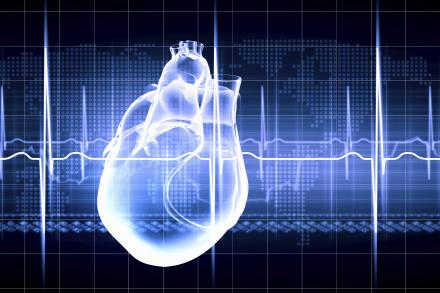 Michigan: What happens in the moments just before death is widely believed to
be a slowdown of the body’s systems as the heart stops beating and blood
flow ends. But a new laboratory study by the University of Michigan Medical School reveals
a storm of brain activity that erupts as the heart deteriorates that
may play a surprising destabilizing role in heart function. This near-death brain signaling may be targeted to help cardiac
arrest patients survive. Most of the more than 400,000 Americans who
experience cardiac arrest die without immediate help.
Michigan: What happens in the moments just before death is widely believed to
be a slowdown of the body’s systems as the heart stops beating and blood
flow ends. But a new laboratory study by the University of Michigan Medical School reveals
a storm of brain activity that erupts as the heart deteriorates that
may play a surprising destabilizing role in heart function. This near-death brain signaling may be targeted to help cardiac
arrest patients survive. Most of the more than 400,000 Americans who
experience cardiac arrest die without immediate help.Friday, January 23, 2015
Australian doctors devise checklist to spot elderly patients most at risk of death
BMJ. UK: Australian doctors have come up with a
checklist designed to spot elderly hospital patients likely to die
within the next three months, it is reported in BMJ Supportive & Palliative Care. The
aim of Critera for Screening and Triaging to Appropriate aLternative
care, or CriSTAL for short, is to kick-start frank discussions about end
of life care, and minimise the risk of further futile treatment, they
say.
Thursday, January 22, 2015
Being clear about death and dying
UNSW (Australia) researchers have developed an assessment tool that helps doctors
and caregivers more accurately identify elderly patients whose death is
imminent and unavoidable at the time of hospital admission. The CriSTAL
(Criteria for Screening and Triaging to Appropriate aLternative care)
tool identifies patients who are likely to die within a three-month
period.
Subscribe to:
Posts (Atom)