Showing posts with label blood. Show all posts
Showing posts with label blood. Show all posts
Wednesday, February 15, 2017
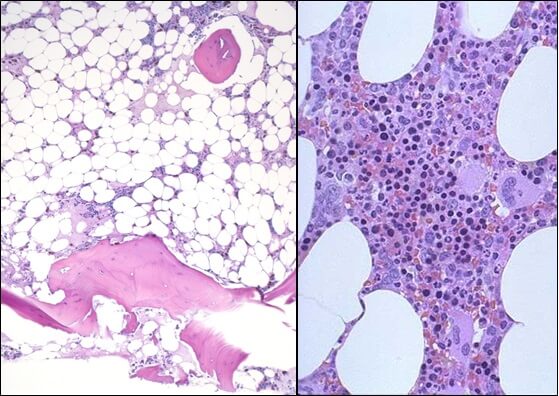
16 Aplastic Anemia Patients Free Of Disease After Bone Marrow Transplant and Chemo
Monday, June 29, 2015
Human trials of manufactured blood within two years

Wednesday, May 13, 2015
Why single blood markers for disease will become a thing of the past

Tuesday, February 17, 2015
Alcohol, with or without antiseptic, for preparing the skin before blood collection?
Cochrane: When
blood is collected from blood donors for transfusion it may become
contaminated during collection, storage or transfusion. Blood
contamination can cause bacteraemia
(the presence of bacteria in the blood), severe illness or even death
in the blood recipient.
Saturday, January 17, 2015
New test helps guide treatment for bone marrow transplant patients with graft vs. host disease
University of Michigan. US: Innovative scoring system uses “Ann Arbor GVHD score” to better predict how patients will respond, minimize side effects. A new test can guide treatment for patients with graft versus host disease (GVHD), an often life-threatening complication of bone marrow and stem cell transplants, according to research from the University of Michigan published in Lancet Haematology this month.
Friday, January 16, 2015
Platelet Transfusions Increase Death Rate in Some Blood Cell Disorders
Johns Hopkins. US: In the first nationwide study of certain rare blood cell disorders, about one in every 13 hospitalized patients with heparin-induced thrombocytopenia and one in every 10 hospitalized patients with thrombotic thrombocytopenic purpura received a platelet transfusion.
Monday, July 21, 2014
Anemia
Anemia is a condition in which the hemoglobin content of the blood is lower than normal as a result of deficiency of nutrients (iron, vitamin...), acute or chronic blood loss (bleeding, cancer, ulcers, hemorrhoids, gastritis, nonsteroidal anti-inflammatory drugs such as aspirin or ibuprofen, excessive menstruation, multiple pregnancies, parasitic infections, acute and chronic infections, chronic renal failure, congenital hemolytic diseases (sickle cell anemia...),leukemia...
More about anemia
More about anemia
Anemia

- Anemia is a condition in which the hemoglobin content of the blood is lower than normal as a result of
- deficiency of one or more essential nutrients (iron, vitamin...),
- heavy blood loss (bleeding, hemorrhage),
- chronic blood loss : ulcers, hemorrhoids, gastritis, cancer, nonsteroidal anti-inflammatory drugs such as aspirin or ibuprofen, which can cause ulcers and gastritis, excessive menstruation, childbirth especially if there are multiple pregnancies
- parasitic infections such as hookworm infestations,
- acute and chronic infections
- chronic renal failure
- congenital hemolytic diseases (eg sickle cell anemia).
- Bone marrow and stem cell problems such as leukemia
- Globally, anemia is a public health problem affecting people in both developed and developing countries with bad consequences of human health as well as social and economic development.
- Anemia is a critical health concern because it affects growth and energy levels adversely .
- At least half of anemia worldwide is due to iron deficiency. Iron deficiency is due primarily to a lack of bio-available dietary iron or increased requirements such as during childhood and pregnancy .
- Anemia increases risk for maternal and child mortality and has negative consequences on the cognitive and physical development of children, and on work productivity in adults .
- Clinical signs of anemia include breathlessness, dizziness, and perceived paleness or change of skin color
- It damages immune mechanisms and is also associated with increased morbidity.
- It occurs at all age groups, but is more prevalent in pregnant women and children.
- Especially, young children from low income families have a higher risk for developing anemia due to iron deficiency that occurs as a result of high demand for iron during the period of rapid growth.
- Anemia is known to be a significant global problem affecting 305 million (25.4%) school age children. Globally, anemia affects 1.62 billion (24.8%) of the population , and an estimated 36% of developing world’s population suffers from this disease.
- Sources: Jemal A Haidar and Rebecca S Pobocik. BMC Hematology / Selomon Assefa, Andualem Mossie. BMC Hematology
Subscribe to:
Posts (Atom)