
Showing posts with label radioactivity. Show all posts
Showing posts with label radioactivity. Show all posts
Friday, November 4, 2016
Amid Terrorism Fears, Promising Leads in Hunt for Radiation Antidote
Wednesday, November 2, 2016
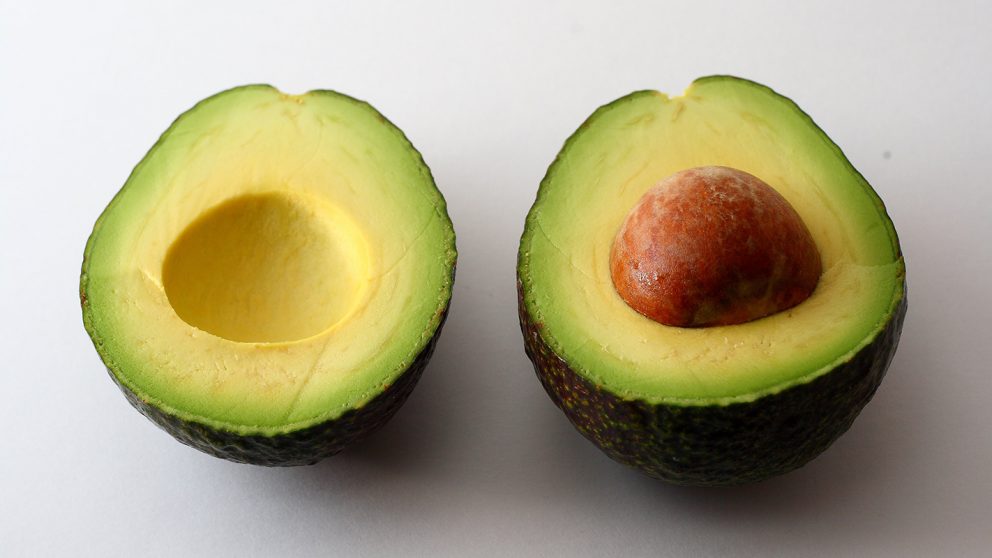
Don’t Panic, But Your Avocado is Radioactive: Study Eyes Background Radiation of Everyday Objects
Thursday, April 16, 2015
Bury nuclear waste down a very deep hole, say scientists
 Sheffield: Radioactive materials that decay spontaneously produce ionizing radiation, which has sufficient energy to strip away electrons from atoms
or to break some chemical bonds. Any living tissue in the human body
can be damaged by ionizing radiation in a unique manner. The body
attempts to repair the damage, but sometimes the damage is of a nature
that cannot be repaired or it is too severe or widespread to be
repaired. Also mistakes made in the natural repair process can lead to
cancerous cells. Technologies that will enable nuclear waste to be sealed 5km
below the Earth’s surface could provide a safer, cheaper and more viable
alternative for disposing of the UK’s high level nuclear waste.
Sheffield: Radioactive materials that decay spontaneously produce ionizing radiation, which has sufficient energy to strip away electrons from atoms
or to break some chemical bonds. Any living tissue in the human body
can be damaged by ionizing radiation in a unique manner. The body
attempts to repair the damage, but sometimes the damage is of a nature
that cannot be repaired or it is too severe or widespread to be
repaired. Also mistakes made in the natural repair process can lead to
cancerous cells. Technologies that will enable nuclear waste to be sealed 5km
below the Earth’s surface could provide a safer, cheaper and more viable
alternative for disposing of the UK’s high level nuclear waste.Saturday, February 28, 2015
Fukushima data show rise and fall in food radioactivity
Nature: Giant database captures fluctuating radioactivity levels in vegetables, fruit, meat and tea. A massive food-monitoring programme in the wake of the Fukushima
nuclear disaster has provided scientists with a unique look at how
radioactivity peaks in different foods after a nuclear spill.
Subscribe to:
Posts (Atom)